
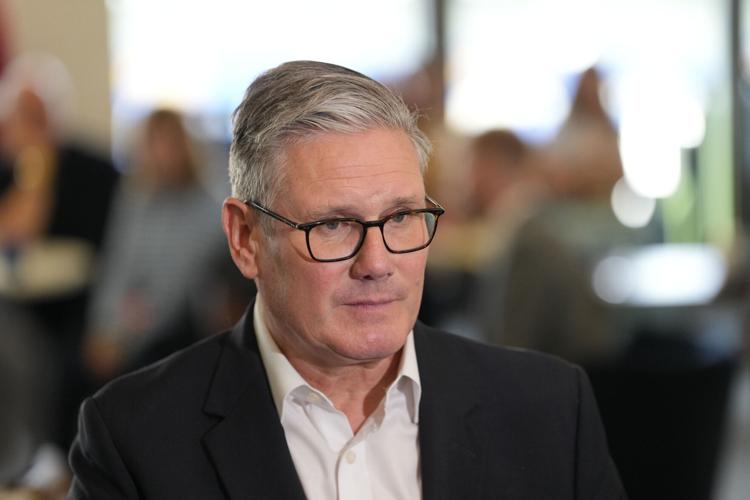
Keir Starmer Refuses to Resign: UK Prime Minister Holds Firm Amid Political Turmoil
The political landscape in the United Kingdom is experiencing its most volatile period in years, yet Prime Minister Keir Starmer is showing no signs of surrender.
As calls for his resignation intensify from opposition benches, media commentators, and even uneasy Labour backbenchers, Starmer has delivered an unmistakable message: he is staying put. In a pointed press conference, the Prime Minister doubled down on his commitment to govern, framing the growing rebellion as a temporary distraction from his long-term reform agenda.
The Growing Pressure on Downing Street
Why is Starmer facing such sustained demands to step down? The answer lies in a perfect storm of challenges that have eroded public confidence and fuelled internal party friction.
Key factors driving the crisis include:
- Stalled economic recovery: Despite early promises of a “decade of national renewal,” GDP growth remains sluggish, and inflation continues to pinch household budgets.
- Policy missteps: Controversial decisions on net-zero targets, housing reform, and NHS funding have alienated both progressive and moderate wings of the Labour Party.
- Falling approval ratings: Recent YouGov and Ipsos polls show Starmer’s net approval dipping below -20 points, with nearly half of voters expressing dissatisfaction.
- Internal dissent: A growing faction of Labour MPs, particularly from the left, argue that Starmer has abandoned the party’s core values in pursuit of centrist pragmatism.
Opposition leader Rishi Sunak (or whichever Conservative leader exists by 2026) has seized on the chaos, calling for a general election and accusing Starmer of clinging to power. Yet the Prime Minister remains unshaken.
Starmer’s Defiant Strategy: Why He Won’t Walk Away
In his recent address, Starmer did not mince words.
“I was elected to deliver change, not to manage decline. I will not walk away from that responsibility,” he declared.
This is not mere bravado—it is a calculated political tactic designed to project strength and stability.
Starmer’s refusal to resign rests on three strategic pillars:
- Leadership continuity as a signal of resolve
By staying, Starmer hopes to reassure markets, international allies, and the civil service that the government is not in crisis mode. A resignation mid-term would almost certainly trigger a Labour leadership contest, consuming months of political energy and delaying key legislative priorities. - Denying the opposition a victory
Sunak and the Conservatives are banking on a collapse in Labour confidence. Starmer’s defiance denies them that narrative. He is betting that the public will tire of perpetual Westminster drama and reward a leader who sticks to the job. - Buying time for policy wins
Behind the scenes, the Prime Minister’s team is rushing to deliver flagship bills on devolution, green infrastructure, and child poverty. Starmer believes that if he can push these through Parliament before the next election, history will judge him kindly.
The Risks of Staying: A High-Stakes Gamble
No political strategy is without peril. Starmer’s decision to dig in carries significant risks that could backfire spectacularly.
Potential downsides include:
- Fractured party unity
If dissent hardens into an organized challenge, Labour could descend into public infighting reminiscent of the Corbyn era. Starmer’s closest allies are urging wavering MPs to avoid a “self-destructive civil war,” but the murmurs are growing louder. - Loss of public patience
Voters who already feel let down may interpret Starmer’s refusal to step aside as arrogance rather than resilience. This could further depress Labour turnout in future by-elections or local contests. - Triggering a confidence vote
Under Labour’s internal rules, 20% of the parliamentary party can trigger a vote of confidence in the leader. While no formal motion has been tabled, sources suggest that the threshold could be met within weeks if the situation deteriorates.
Historical parallels are instructive. Former Labour Prime Minister Gordon Brown faced similar pressure in 2009 after a series of electoral defeats. He stayed on—and led the party to a catastrophic loss in 2010. Starmer’s team insists the context is different, but the shadow of that failure looms large.
What Happens Next? The Coming Weeks
The next 30 days will be decisive. Starmer has called a special meeting of the Parliamentary Labour Party to address grievances head-on. His message will be simple: focus on the long game, not the noise.
Key events to watch:
- Budget or fiscal statement
If the Treasury can deliver a popular spending package with visible voter benefits, it could dampen the mutiny. - By-election results
Any heavy defeats for Labour in upcoming by-elections would embolden critics and increase pressure for a leadership change. - Private letters
MPs have reportedly drafted letters of no confidence in Starmer. The number of signatories will be closely monitored.
Expert analysis suggests that Starmer’s fate hinges on whether he can persuade the Labour tribe that he is still their best shot at power. Political historian Dr. Eleanor Vance notes:
“Starmer’s resilience is admirable, but it’s a double-edged sword. If he shows any weakness now, the wolves will close in. If he holds firm and delivers, he may yet silence his detractors.”
Final Thoughts: A Battle for the Soul of Labour
The question of whether Keir Starmer will remain Prime Minister is not merely about one man’s career. It is a referendum on the direction of the Labour Party and British politics itself.
Starmer represents a centrist, managerial approach—one that prioritizes competence over charisma. His critics demand a more radical, ideological vision.
For the British public, this drama underscores a perennial tension in Westminster: How much pressure can a leader withstand before stepping aside? Starmer’s answer is clear—he will not be the one to blink first.
Whether this defiance proves to be a masterstroke of political courage or a stubborn refusal to face reality will be determined by events unfolding in the weeks ahead. One thing is certain: the story is far from over.
As the UK watches with bated breath, both Starmer’s supporters and detractors are bracing for the next twist.
Stay informed as this developing story continues to unfold. For the latest on UK political leadership, by-election results, and Labour Party strategy, bookmark this page and follow our ongoing coverage.

