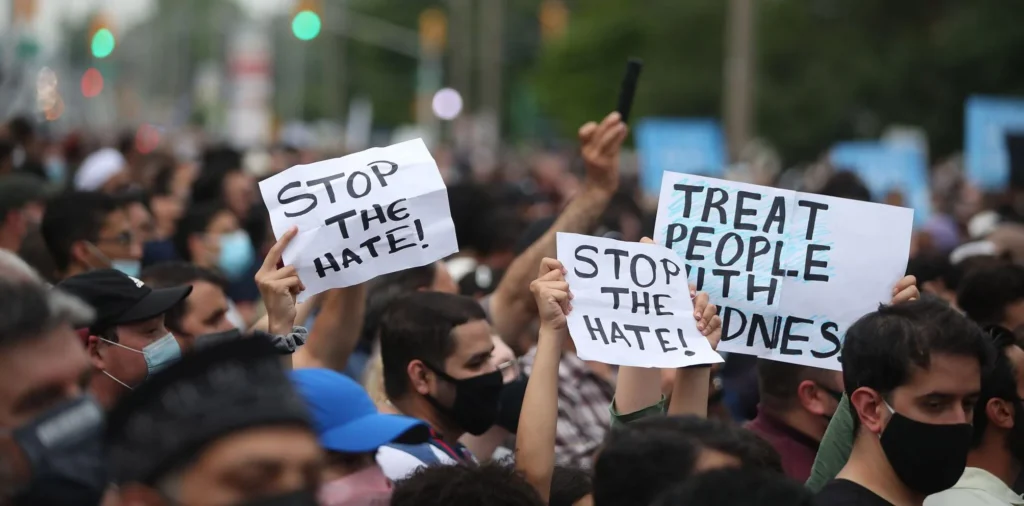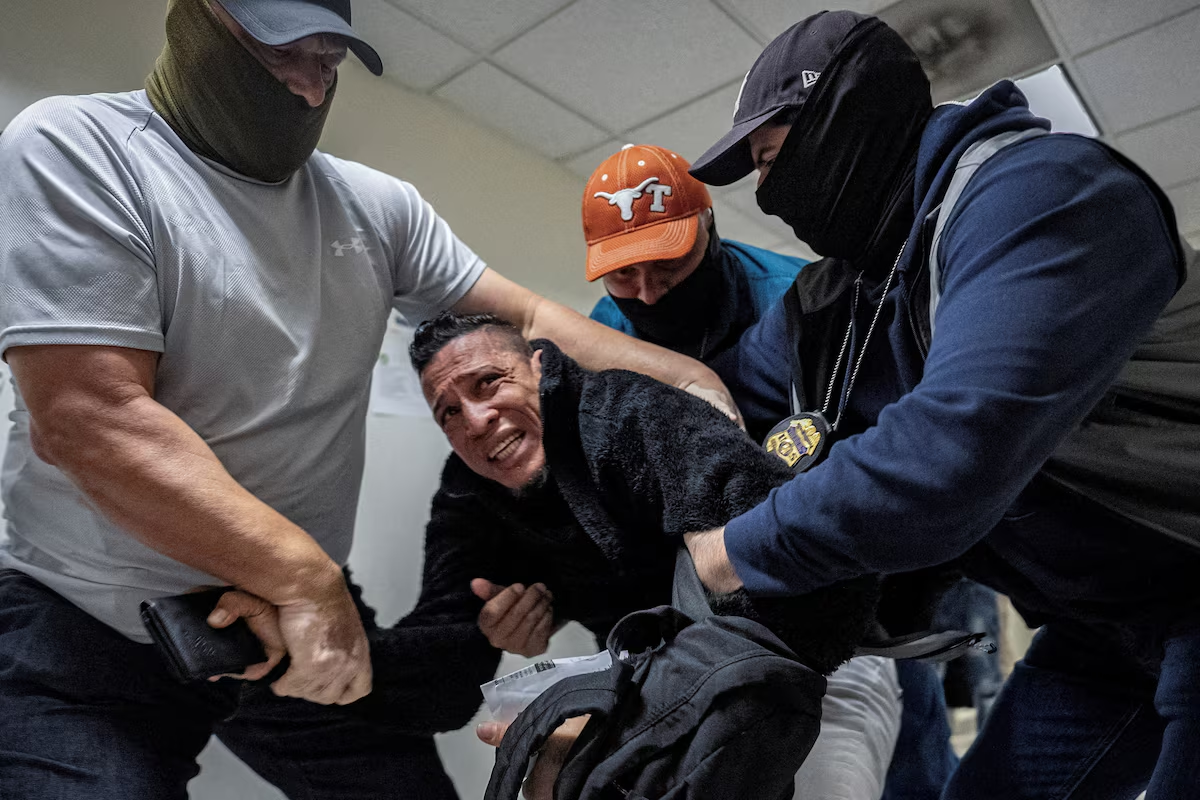
For decades, the Safe Third Country Agreement (STCA) has been a cornerstone of Canada’s border policy with the United States. Established in 2004, its premise is straightforward: asylum seekers must request protection in the first safe country they arrive in, meaning those attempting to cross from the U.S. into Canada at official land ports of entry are turned back. The logic was mutual—both nations were deemed “safe” for refugees. However, mounting legal challenges, shifting American policies, and profound changes in the global migration landscape are forcing a critical re-evaluation. It’s time to ask: does this agreement still serve its intended purpose of orderly migration, or has it become a source of disorder and risk?
The Core Mechanism and Its Unintended Consequences
The STCA was designed to manage asylum claims collaboratively and prevent “asylum shopping.” In theory, it streamlines the process for both nations. Yet, the agreement contains a significant loophole: it only applies at official land border crossings. This technicality has spawned the now-famous phenomenon of “irregular crossings,” where individuals enter Canada between ports of entry, most notably at Roxham Road in Quebec.
This loophole has created a perverse outcome:
- It incentivizes dangerous and unpredictable border crossings, putting vulnerable people at physical risk.
- It strains resources in rural border communities that are not equipped as major reception centers.
- It undermines the very principle of orderly migration the agreement was meant to uphold, creating a parallel, chaotic system.
The result is a policy that looks orderly on paper but has manifestly failed to create order on the ground.
A Shifting Definition of “Safe”
The fundamental pillar of the STCA is the mutual designation of the U.S. and Canada as “safe” for refugees. This means a person should not face risk of persecution or refoulement (forced return to a country where they face danger) in either country. In recent years, this pillar has been severely cracked.
Legal Challenges and Human Rights Concerns
Numerous human rights organizations and legal experts have argued that the U.S. asylum system no longer reliably meets international obligations. Key concerns include:
- Heightened Standards for Asylum Claims: Policies that made it exceedingly difficult to claim asylum based on gang or domestic violence.
- The “Remain in Mexico” Policy: Which forced thousands of asylum seekers to wait in precarious conditions in Mexico.
- Rapid Deportations: The use of Title 42 to expel migrants without due process during the pandemic.
While some of these specific policies have changed under the Biden administration, the precedent of volatility remains. Canadian courts have grappled with this. In 2020, the Federal Court ruled the STCA violated the Canadian Charter of Rights and Freedoms, citing the risk of imprisonment and refoulement in the U.S. Although this decision was later overturned on appeal on technical grounds, the Supreme Court of Canada has agreed to hear the case, putting the agreement’s constitutionality back in the spotlight.
The Geopolitical and Humanitarian Stakes
The debate over the STCA is not happening in a vacuum. It is set against a backdrop of record global displacement and increasingly complex migration routes. The agreement directly impacts real people: families fleeing violence, political dissidents, and individuals seeking a chance at safety. Turning them back at an official crossing, knowing they may then attempt a perilous irregular crossing, raises serious ethical questions.
Furthermore, the political relationship between Canada and the U.S. is a constant factor. Any move to suspend or significantly alter the STCA would have major diplomatic repercussions. The U.S. views the agreement as a key tool for managing its northern border. Canada must weigh its humanitarian obligations and domestic legal pressures against the need for stable cross-border cooperation.
Pathways Forward: Reform, Suspend, or Replace?
Simply maintaining the status quo is becoming an increasingly untenable position. Several potential paths exist for rethinking the agreement.
- Closing the Loophole: Expanding the STCA to apply across the entire border, including between ports of entry, is often suggested. This would aim to stop irregular crossings but raises immediate humanitarian and logistical red flags. It would require a massive increase in border enforcement and could lead to people being stranded in legal limbo.
- Suspending the Agreement: This would allow asylum seekers to present themselves at any port of entry. While it would restore order to the process and eliminate irregular crossings, it would likely lead to a significant increase in claims that Canada’s system would need to process. Proponents argue this is a more honest and manageable challenge than the current chaotic model.
- Fundamental Renegotiation: A more ambitious approach would be to renegotiate the treaty’s core terms. This could involve creating a bilateral asylum processing system, establishing annual humanitarian quotas, or implementing a “first family member” rule to prioritize family reunification. The goal would be to build a system that is both cooperative and truly compliant with international law.
Conclusion: A Decision of Principle and Pragmatism
The Safe Third Country Agreement is at a crossroads. What began as a well-intentioned tool for shared border management now functions as a catalyst for irregular migration and faces serious legal doubts about its adherence to human rights principles. The irregular crossings are not a failure of migrants but a symptom of a failed policy design.
Rethinking the STCA is not about opening the borders indiscriminately; it is about replacing a broken system with one that is orderly, humane, and legally sound. It requires Canada to honestly assess whether the United States, given the instability of its asylum policies, can still be categorically deemed a “safe third country” for all refugees. It also demands a pragmatic vision for a new framework of cooperation with the U.S., one that acknowledges today’s migration realities rather than those of 2004.
The Supreme Court’s upcoming decision will provide legal guidance, but the ultimate choice is a political one. It is a choice between clinging to an agreement that creates the illusion of control and having the courage to pursue a policy that provides genuine safety and order. For the sake of Canada’s humanitarian commitments, its border integrity, and the vulnerable individuals seeking protection, a serious rethink is not just advisable—it is urgently necessary.