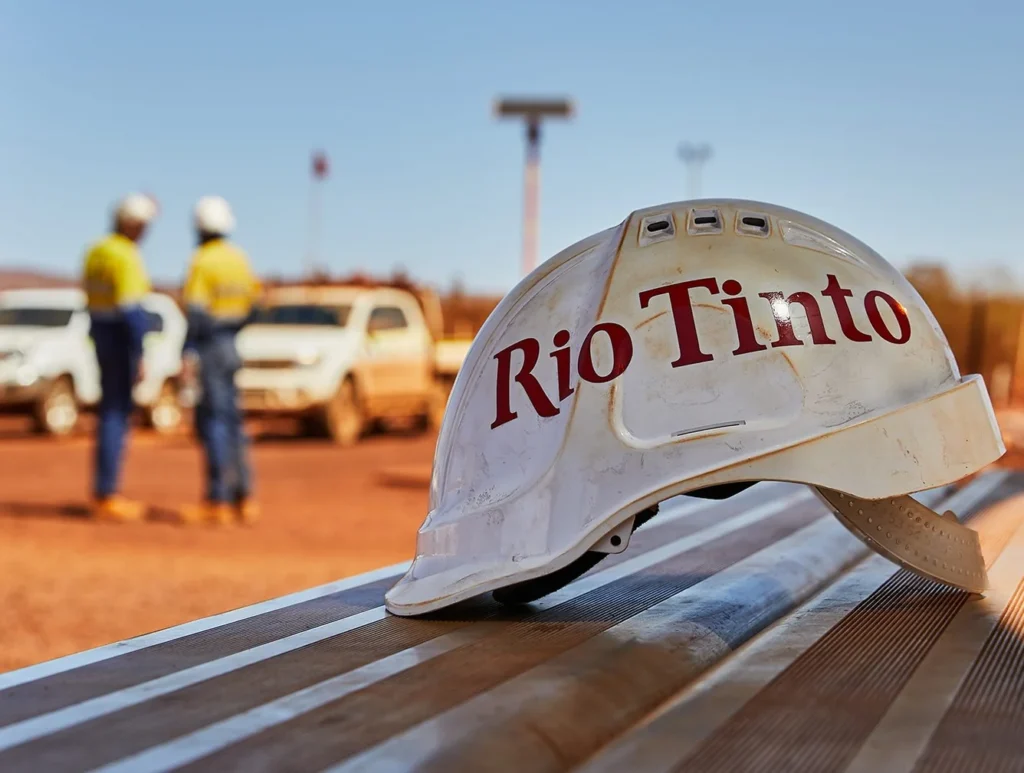
In the high-stakes arena of global resource security, a quiet but profound revolution is taking shape in Canada. While headlines often focus on lithium for batteries or rare earths for magnets, another critical mineral is stepping into the spotlight, promising to redefine advanced manufacturing and strengthen North American supply chains. The catalyst? A strategic expansion by mining giant Rio Tinto at its operations in Sorel-Tracy, Quebec, aimed at significantly boosting the production of high-purity scandium oxide. This move isn’t just a business decision; it’s a calculated play in a larger geopolitical and industrial strategy, positioning Canada as a pivotal player in the supply of a material essential for the technologies of tomorrow.
What is Scandium and Why Does It Matter?
Scandium, often lurking in the shadows of more famous elements, is a silvery-white metallic wonder. Classified as a critical mineral by governments worldwide, its value lies not in abundance but in its transformative properties when alloyed with other metals. Adding even a small percentage of scandium to aluminum creates alloys that are remarkably stronger, lighter, more weldable, and more resistant to corrosion.
This unique set of characteristics unlocks game-changing applications across several frontier industries:
- Aerospace & Defense: Lighter, stronger airframes and components for aircraft and missiles, leading to greater fuel efficiency and performance.
- Additive Manufacturing (3D Printing): Scandium-aluminum powders are ideal for printing complex, high-strength parts for demanding applications.
- Clean Energy: Solid oxide fuel cells, a promising technology for efficient power generation, utilize scandium-stabilized electrolytes.
- Consumer Goods: High-performance sports equipment like bicycle frames and baseball bats.
Despite its potential, the global scandium market has long been hampered by sporadic supply, high costs, and geopolitical concentration. Historically, production has been limited and often tied to by-product recovery from other mining processes in regions like China, Russia, and Kazakhstan, creating supply chain vulnerabilities for Western nations.
Rio Tinto’s Game-Changing Expansion in Quebec
Rio Tinto’s project at its titanium dioxide facility in Sorel-Tracy is designed to shatter these supply constraints. The company has developed a patented process to extract high-purity scandium oxide from the waste streams of its existing titanium production. This innovative approach is a masterclass in circular economy principles, turning what was once considered waste into a high-value critical mineral.
The expansion project is set to increase production capacity to approximately 12 tonnes of scandium oxide per year. To put this in perspective, global production outside of China and Russia is currently estimated at only a few tonnes annually. This single facility could therefore multiply reliable, Western-aligned supply several times over.
“We are not just scaling up; we are establishing a new benchmark for reliable, environmentally conscious scandium production,” a Rio Tinto spokesperson noted. The Sorel-Tracy plant is already the only North American producer of scandium oxide, and this expansion cements its role as a cornerstone of continental security for this strategic material.
The Canadian and North American Strategic Imperative
Rio Tinto’s investment is perfectly aligned with a sweeping strategic shift in Canada and the United States. Both nations have published official Critical Minerals Strategies that explicitly identify scandium as a priority for economic security and decarbonization. The goal is clear: to reduce dependence on foreign supply chains that are susceptible to disruption and to foster domestic industries from mine to market.
This push is driven by several converging factors:
- Geopolitical Realignment: Recent global events have underscored the risks of concentrated supply chains for essential materials.
- The Defense Modernization Drive: Next-generation military platforms require the advanced materials that scandium enables.
- The Clean Technology Race: From fuel cells to lightweight electric vehicles, scandium can play a key role in decarbonization.
By providing a large-scale, stable source of scandium, Rio Tinto’s Quebec operation enables downstream manufacturers in aerospace, defense, and technology to design and commit to using scandium-aluminum alloys with confidence, knowing the supply is secure and ethically produced.
Fueling Innovation and Economic Growth
The ripple effects of a secure scandium supply extend far beyond the mining sector. This initiative has the potential to catalyze a high-tech manufacturing ecosystem across North America.
With a reliable raw material source, alloy producers can innovate more aggressively. Aerospace giants can integrate new, lighter materials into their designs years earlier. Start-ups working on solid oxide fuel cells can scale their technology with greater certainty. This creates a virtuous cycle of innovation, investment, and high-skilled job creation, from Quebec’s “Battery Valley” to manufacturing hubs in Ontario and the U.S. Midwest.
Furthermore, the environmental credentials of Rio Tinto’s process are significant. By extracting scandium from existing waste streams, the project minimizes the need for new primary mining operations dedicated solely to scandium, reducing the overall environmental footprint of producing this critical mineral.
Challenges and the Road Ahead
While the outlook is promising, the path to a mature scandium market is not without hurdles. The primary challenge remains market development and adoption. For decades, designers and engineers have treated scandium-aluminum alloys as exotic and cost-prohibitive, reserved for niche applications. Overcoming this mindset requires demonstrable proof of supply stability and continued collaboration between producers like Rio Tinto and end-users to qualify new alloys for major programs.
Additionally, building out the full value chain—from oxide to metal, to master alloy, to final manufactured components—will require further investment and partnership. Canada’s Critical Minerals Strategy, which includes funding for processing and manufacturing, is a crucial piece of this puzzle.
Conclusion: A Foundation for the Future
Rio Tinto’s decision to boost scandium output in Canada is more than an operational expansion; it is a strategic inflection point. It represents a bold step toward securing a material that is vital for national security, technological leadership, and the clean energy transition. By leveraging innovative technology and existing infrastructure, Canada is poised to become a global leader in the ethical and sustainable production of scandium.
This initiative lays a solid foundation upon which entire new industries can be built. It signals to the world that Canada is not only rich in resources but is also a sophisticated player in the value-added, technology-driven resource economy of the 21st century. The critical mineral revolution is here, and with scandium at the forefront, Canada is strategically positioned to power the innovations of tomorrow.