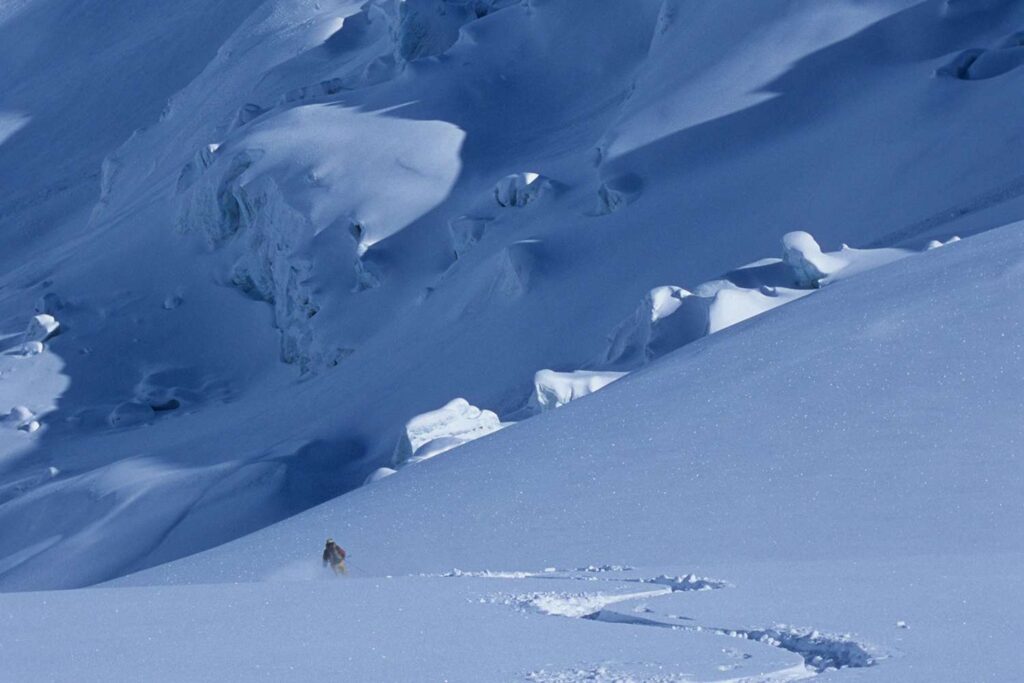
Tragic B.C. Avalanches Claim Four Lives in Backcountry
The breathtaking, snow-capped peaks of British Columbia’s backcountry are a powerful draw for adventurers seeking pristine powder and untouched wilderness. Yet, this majestic landscape holds a deadly and ever-present risk. This past week, that danger became a devastating reality as a series of avalanches swept through remote areas, resulting in a heartbreaking loss of life and a stark reminder of nature’s immense power.
According to authorities, the tragic incidents occurred in separate locations, underscoring the widespread and volatile avalanche conditions currently affecting the province. The collective toll stands at four individuals deceased and one seriously injured, who required an emergency airlift to a trauma center. These events have sent shockwaves through the tight-knit communities of backcountry enthusiasts and prompted urgent safety warnings from experts.
A Detailed Look at the Separate Incidents
The tragedies unfolded in two distinct regions, both popular with experienced backcountry users but far from the safety of managed ski resorts.
The First Incident Near Invermere
The first avalanche was reported in a mountainous area near Invermere, a region known for its deep snowpack and challenging terrain. A group was caught in the slide. Tragically, two people lost their lives at the scene. A third member of the party was critically injured. In a dramatic and complex rescue operation, helicopter crews managed to locate and airlift the injured individual to a waiting ambulance, which then transported them to a nearby airstrip for a flight to a higher-level hospital. The condition of the surviving victim remains serious.
The Second Fatal Slide on Vancouver Island
Simultaneously, on the other side of the province, another group was exploring the backcountry near Vancouver Island. Here, a separate avalanche struck, claiming two more lives. While details are still emerging, it is believed the party was also well-equipped and familiar with the area. The fact that fatal slides occurred in such geographically different areas on the same weekend is a critical indicator of the exceptionally dangerous and unstable snow conditions present across B.C.
Understanding the “Why”: Unstable Snowpack and High Risk
Avalanche experts from Avalanche Canada and Parks Canada have been vocal in their concerns for weeks. The primary culprit behind this season’s heightened danger is a complex and weak snowpack structure that formed early in the winter.
- A Persistent Weak Layer: Early-season snow, followed by a prolonged cold spell, created a layer of sugary, faceted crystals at the ground. This layer acts like ball bearings or a house of cards—incredibly fragile and unable to bond with subsequent heavy snowfalls.
- Heavy Loading from Recent Storms: Major snowstorms in recent weeks have deposited a significant and heavy slab of snow on top of this weak foundation. The weight of this new snow is the trigger, causing the entire slab to fracture and slide on the unstable layer beneath.
- Widespread Problem: This dangerous setup isn’t isolated to one slope or aspect. It is a province-wide issue affecting most of B.C.’s mountainous regions, from the Interior to the Coast and the Island. The avalanche danger rating had been consistently at “High” (Level 4) for many regions, just one step below the maximum “Extreme” classification.
Critical Safety Lessons and Avalanche Preparedness
In the wake of such tragedies, the backcountry community reflects on the essential, non-negotiable practices for safe travel in avalanche terrain. These incidents reinforce that experience and good equipment alone are not enough when conditions are this treacherous.
The Absolute Essentials for Any Trip
Every member of a backcountry party must carry and know how to use the following:
- Avalanche Transceiver (Beacon): A radio device that transmits and receives signals to locate a buried victim.
- Probe: A collapsible pole used to pinpoint a buried person after a beacon search.
- Shovel: A sturdy, metal shovel for digging out a victim once located. Time is oxygen.
Beyond the Gear: The Human Factor
The right gear is useless without the right knowledge and decision-making.
- Get the Forecast: Always check the Avalanche Canada forecast for your specific region. Understand the danger rating, the avalanche problems, and the recommended terrain to avoid.
- Take Formal Training: An Avalanche Skills Training (AST) course is the fundamental starting point. It teaches how to interpret forecasts, recognize dangerous terrain, perform companion rescue, and make critical group decisions.
- Practice Rescue: Regularly practice using your beacon, probe, and shovel with your partners. Speed and efficiency in a rescue save lives.
- Employ Conservative Judgment: When danger is “High” or “Extreme,” the safest choice is often to avoid avalanche terrain altogether. Choose low-angle, forested slopes or simply postpone your trip. No line is worth a life.
A Community in Mourning and a Call for Vigilance
The loss of four lives in a single weekend is a profound tragedy. It leaves families, friends, and the entire outdoor community grieving. These individuals were fellow skiers, snowboarders, and mountaineers who shared a passion for the mountains—a passion that now demands our utmost respect and caution.
As the winter season continues, the message from rescue services and avalanche forecasters is unequivocal. The persistent weak layer will remain a threat likely until the spring melt. It can be triggered remotely—from a distance or from low-angle terrain—and can produce large, destructive avalanches.
The mountains will always be there. The goal is to return home from them. Let this heartbreaking weekend serve as the most powerful reminder to prioritize safety over ambition, to heed the forecasts, and to make conservative choices that ensure everyone comes back. Our deepest condolences go out to the families and friends of those lost in these devastating avalanches.