Why Rising Gas Prices Hit Canadian Wallets Harder Than American
The sting at the pump is a universal frustration, but for Canadians, that pain is uniquely acute. While drivers on both sides of the border grimace as the numbers tick higher, a complex cocktail of currency dynamics, taxation, and economic structure means the financial squeeze is significantly tighter in the Great White North. Understanding why this disparity exists is key to grasping the broader economic pressures facing Canadian households today.
The Loonie’s Lag: A Currency Disadvantage
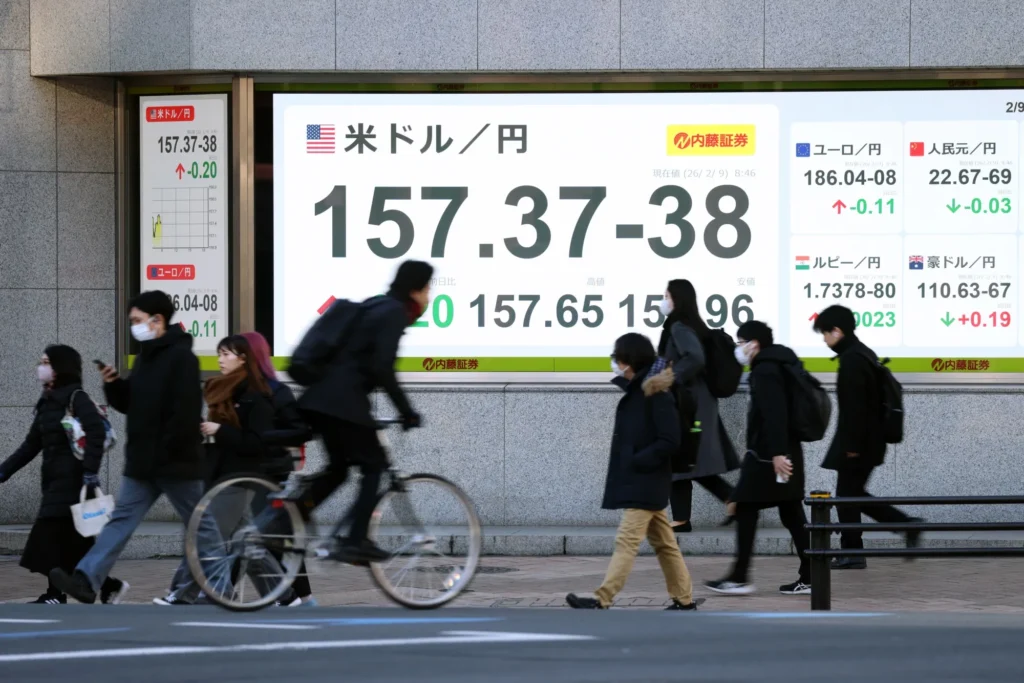
At the heart of the issue is the Canadian dollar. Oil, and by extension gasoline, is priced in US dollars on the global market. When the loonie weakens against its American counterpart, it immediately costs more Canadian dollars to purchase the same barrel of oil.
A Real-World Example at the Pump
Imagine the global price of oil is steady. If the Canadian dollar falls from 80 US cents to 75 US cents, Canadian refineries must spend more of our currency to buy the crude needed to make gasoline. This exchange rate penalty is a direct, upfront cost that American consumers simply don’t face to the same degree. Even before taxes and refining margins are added, Canadians are starting from a position of disadvantage.
The Tax Tank: A Heavier Load at the Pump
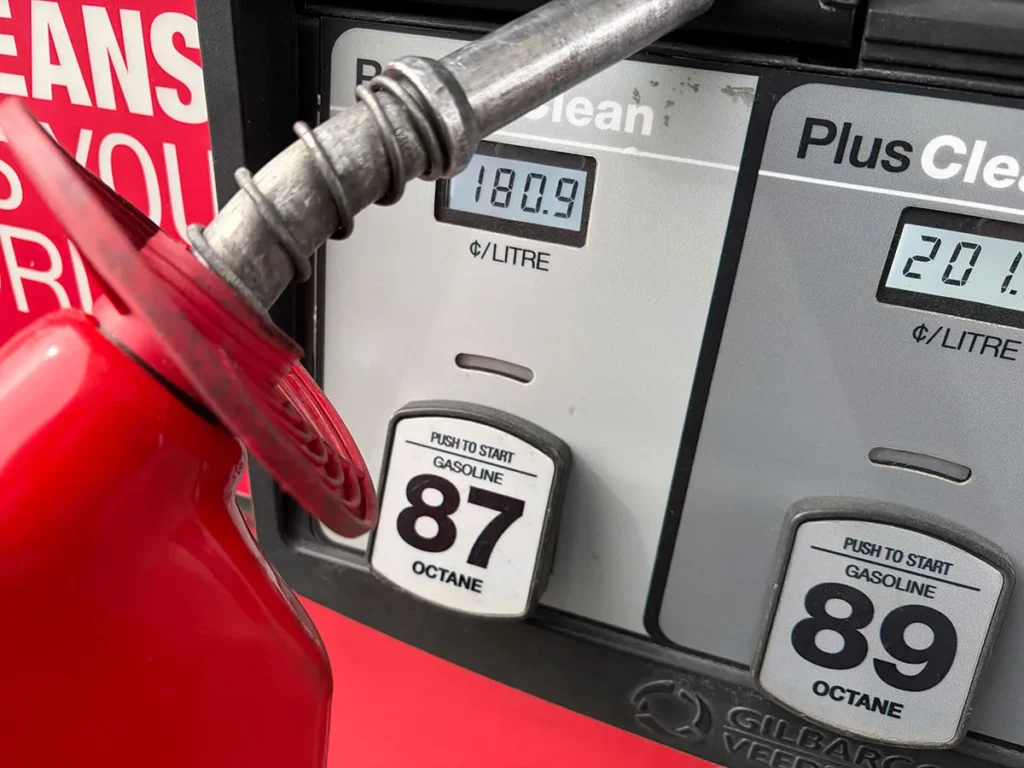
Once the refined gasoline is ready for sale, the taxman takes a significant cut—and in Canada, that cut is larger. Canadian fuel taxes are notably higher than in most US jurisdictions, embedding a substantial fixed cost into every litre.
Canadian fuel costs include:
- Federal Excise Tax
- Provincial Fuel Taxes
- Carbon Taxes (the federal fuel charge and/or provincial systems)
- Harmonized Sales Tax (HST) or GST/PST on top of the entire price, including other taxes
In some provinces, taxes can constitute over 35% of the total price per litre. In contrast, many US states have far lower gasoline taxes, and some, like the federal government, have even suspended them temporarily during price spikes to offer relief. This structural difference means that for every dollar the base price of fuel rises, the total amount paid by a Canadian driver increases more sharply due to the percentage-based sales taxes applied on top.
Geographic and Logistical Realities
Canada’s vast geography and smaller, dispersed population present another hurdle. Transporting fuel across enormous distances to serve communities from coast to coast to coast incurs high logistical costs. Furthermore, Canada’s refining capacity is limited relative to its size, with specific regional dependencies. Disruptions at a key refinery in the US Midwest or in Canada can cause immediate and severe price spikes in regions with limited alternative supply, a vulnerability less pronounced in the denser, more interconnected US market.
The Broader Economic Squeeze on Canadian Households
The impact of higher gas prices extends far beyond the commute. It acts as a powerful inflation multiplier, deepening the cost-of-living crisis.
How Fuel Costs Drive Up Everything Else
- Groceries & Goods: Nearly every product on a store shelf is transported by truck. Higher diesel costs are directly passed on through supply chains, raising prices for food, clothing, and household essentials.
- Services: From plumbing to deliveries, service providers factor fuel surcharges into their bills.
- Disproportionate Impact on Rural Canadians: For those in rural and remote areas, driving is non-negotiable. There are no public transit alternatives, and distances for work, school, and healthcare are long. Higher fuel prices consume a much larger portion of their disposable income.
- Stagnant Wage Growth: Compounding the problem is that, historically, Canadian wage growth has not kept pace with that in the United States, especially during inflationary periods. When costs rise faster than incomes, the real-terms impact is magnified.
Is There Any Relief in Sight?
The path to relief is uncertain and tied to global forces. While governments may explore temporary measures like tax rebates or temporary tax cuts, these are often short-term fixes. Long-term solutions are more complex and involve:
- Investments in energy security and refining capacity.
- Accelerating the transition to electric vehicles and public transit infrastructure to reduce dependency on gasoline.
- Broader economic policies aimed at strengthening the Canadian dollar and boosting productivity.
For now, Canadian consumers remain caught in a perfect storm. The combination of a commodity-priced currency, a high-tax structure on fuel, and sprawling geography ensures that the global phenomenon of rising oil prices will always translate into a deeper, more pervasive pinch for Canadian pocketbooks than for those of our southern neighbors. It’s a stark reminder that the price on the pump is about much more than just oil—it’s a reflection of deeper economic fundamentals.