
Forging a Stronger U.S. Energy Alliance is Vital for Canada’s Future
For decades, the energy relationship between Canada and the United States has been the backbone of North American economic security and environmental progress. As the global energy landscape undergoes a seismic shift—driven by climate imperatives, geopolitical volatility, and rapid technological change—the need to intentionally strengthen this cross-border partnership has never been more critical. For Canada, proactively deepening its energy ties with the United States isn’t just an economic opportunity; it is a strategic necessity for securing our nation’s future prosperity, energy security, and climate leadership.
The Bedrock of North American Prosperity
The existing Canada-U.S. energy relationship is already one of the world’s most integrated. Millions of barrels of oil, trillions of cubic feet of natural gas, and clean hydroelectricity flow seamlessly across the world’s longest undefended border every day, powering industries, heating homes, and fueling transportation in both nations.
- The Largest Energy Trading Relationship in the World: The U.S. is, by an overwhelming margin, Canada’s sole energy export market. This trade supports hundreds of thousands of jobs on both sides of the border and contributes significantly to national and regional GDP.
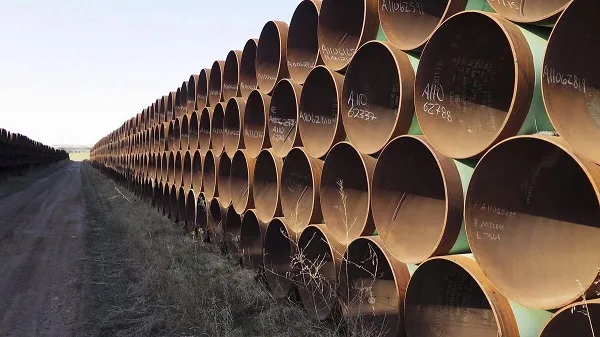
- Infrastructure is Key: This partnership is enabled by a vast, interconnected network of pipelines and transmission lines. Maintaining and modernizing this infrastructure is paramount for reliability and future growth.
- A Foundation of Mutual Security: This integration provides the United States with a stable, secure, and friendly source of energy, reducing its reliance on less predictable global suppliers. For Canada, it guarantees a dependable market for our resources.
However, resting on this historic foundation is not enough. New challenges and opportunities demand a renewed and forward-looking alliance.
Why a Renewed Focus on the U.S. Alliance is Imperative
Several converging factors make the period leading up to 2026 and beyond a pivotal time to reinforce this bond.
Geopolitical Realignment and the Friend-Shoring Imperative
Global events have underscored the risks of over-dependence on energy from adversarial or unstable regions. Both the U.S. and its allies are actively pursuing “friend-shoring” – securing supply chains with trusted partners. Canada is the ideal, ready-made partner to help the U.S. achieve energy security with a democratic ally. From critical minerals for electric vehicles to clean hydrogen and low-carbon fuels, the opportunity to build these new supply chains together is immense.
The Race to a Net-Zero Future
The transition to a clean energy economy is not a national challenge, but a continental one. Canada and the United States share similar ambitious climate goals. By aligning policies, incentivizing complementary technologies, and investing in cross-border clean energy projects, we can accelerate progress more efficiently and cost-effectively than going it alone.
- Collaboration on Clean Tech: Joint development in carbon capture, utilization and storage (CCUS), small modular reactors (SMRs), and grid modernization can drive down costs and deploy solutions faster.
- Hydrogen and Renewable Synergies: Canada’s potential for producing clean hydrogen (both blue and green) can help decarbonize heavy industry and transportation in the U.S. Midwest and West Coast. Similarly, integrating renewable energy grids can balance intermittent power sources like wind and solar.
Economic Competitiveness in a Disruptive World
The U.S. Inflation Reduction Act (IRA) represents the largest climate investment in history, creating powerful incentives for clean energy manufacturing and deployment. For Canada, this presents both a challenge and an opportunity. The challenge is capital flight and investment competition. The opportunity lies in creating a seamless, competitive North American market for clean products. By harmonizing regulations and creating complementary incentives, we can attract investment to the entire region, ensuring Canada remains a destination for capital and innovation.
Strategic Pillars for a Strengthened Alliance
Moving from recognition to action requires a focused strategy built on several key pillars.
1. Modernizing and Expanding Critical Infrastructure
A 21st-century energy partnership requires 21st-century infrastructure. This means:
- Advancing key pipeline and transmission projects that enhance security and enable clean power sharing.
- Investing in ports and transportation corridors to support emerging energy exports like liquefied natural gas (LNG) and hydrogen.
- Hardening existing infrastructure against climate threats and cyberattacks to ensure resilience.
2. Aligning Policies and Regulatory Frameworks
Unnecessary regulatory divergence creates cost, delay, and uncertainty. A top priority must be:
- Harmonizing methane reduction regulations and carbon pricing benchmarks.
- Creating mutual recognition of standards for clean fuels, critical minerals, and new technologies.
- Establishing a formal bilateral working group to ensure ongoing regulatory cooperation and address disputes proactively.
3. Jointly Leading in Emerging Energy Sectors
Canada and the U.S. should formally partner to dominate the future energy sectors where we hold comparative advantages.
- Critical Minerals: Developing a secure, integrated North American supply chain for minerals essential for batteries, wind turbines, and defense applications.
- Clean Hydrogen: Co-investing in flagship export projects and creating a cross-border hydrogen corridor.
- Nuclear Innovation: Collaborating on SMR deployment and next-generation nuclear technology to provide reliable, zero-carbon baseload power.
The Path Forward: Seizing the Moment
The year 2026 is not an arbitrary date. It will mark a new U.S. presidential term and the ongoing implementation of major climate policies. Canada must enter this period with a clear, proactive agenda.
Our approach must be rooted in the understanding that a stronger U.S. energy ally is not a passive beneficiary, but an active architect of shared success. This requires sustained high-level engagement from the Prime Minister’s office down through all relevant ministries, constant dialogue with U.S. federal and state leaders, and a compelling narrative that frames Canada as an indispensable, innovative, and reliable partner.
The benefits of getting this right are profound: enhanced economic growth, thousands of new high-value jobs, accelerated climate progress, and a more secure and resilient North America. Conversely, failure to deepen this alliance risks Canada being left behind, losing investment, and missing our climate and economic potential.
The energy future is being written now. By choosing to forge a stronger, smarter, and more sustainable energy alliance with the United States, Canada can secure its prosperity and leadership for generations to come. The time to act is now.

