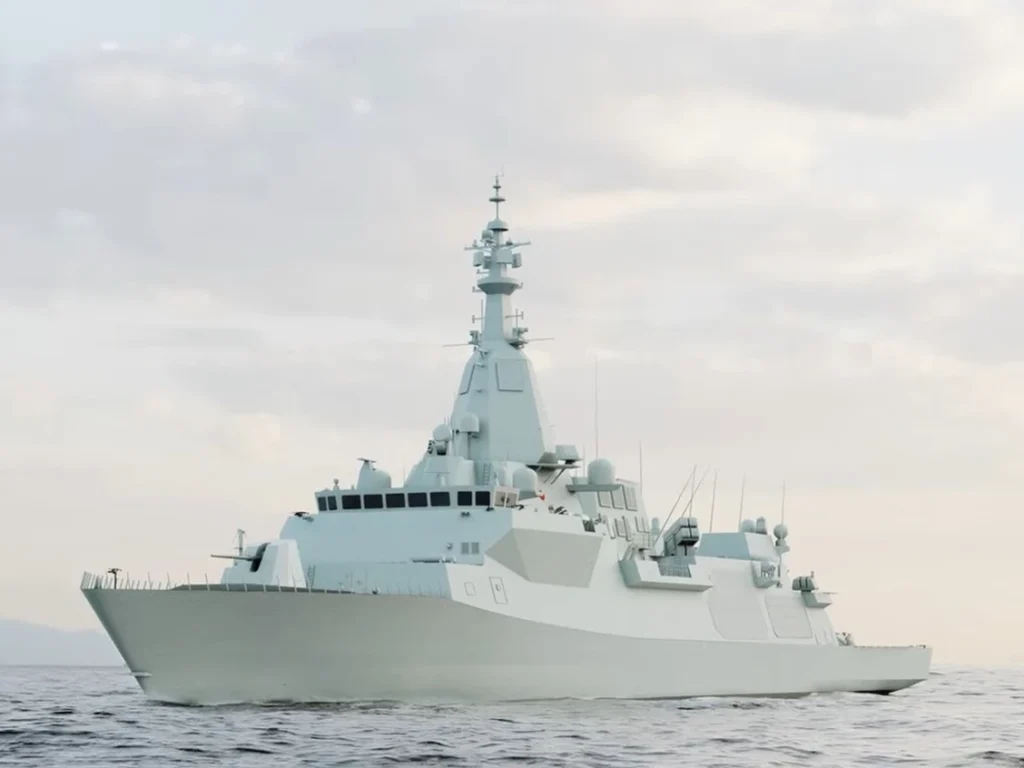
Canada’s Frigate Program Faces $3.6B US Equipment Cost Surge
The journey to modernize the Royal Canadian Navy’s aging surface fleet has hit another significant and costly hurdle. Newly released figures reveal that the program to construct 15 new Canadian Surface Combatants (CSCs) is grappling with a massive, unplanned financial burden. The cost to acquire crucial combat systems and equipment from the United States has skyrocketed, adding an estimated $3.6 billion to the already ballooning price tag of Canada’s largest-ever military procurement.
This staggering increase is not due to changes in the ship’s design or Canadian labor costs, but stems directly from foreign exchange fluctuations and inflationary pressures within the U.S. defense industry. As the project advances from design to the procurement of actual hardware, the previously estimated costs for American-made radars, missiles, guns, and other vital systems have proven to be dramatically outdated.
The Core of the Cost Crisis: Locked-in U.S. Dollars
At the heart of this financial surge is a fundamental procurement challenge. The cutting-edge technology selected for the CSC frigates—largely based on the proven BAE Systems Type 26 design—is dependent on American-sourced equipment. These include:
When initial cost estimates were formulated years ago, they were based on the exchange rate and price levels of that time. However, the contracts for this equipment are paid in U.S. dollars (USD). The Canadian dollar’s value relative to the USD, combined with significant inflation in U.S. defense manufacturing, has created a perfect storm. Essentially, Canada is now paying far more in Canadian dollars to purchase the same American equipment.
Ripple Effects on an Already Strained Budget
This $3.6 billion increase does not exist in a vacuum. It lands on top of a frigate program whose total cost has been a moving target for over a decade. Officially, the budget for the 15 warships is set at $56-60 billion, but parliamentary budget officers and external analysts have consistently projected the final cost to be considerably higher, with some estimates exceeding $80 billion.
The new U.S. equipment costs threaten to trigger a series of difficult decisions:
National Security vs. Fiscal Reality: A Persistent Dilemma
Proponents of the program argue that the cost, while enormous, is non-negotiable for national sovereignty. The Halifax-class frigates, commissioned in the 1990s, are nearing the end of their service life in an increasingly volatile global security environment. The new CSCs are designed to be a cornerstone of Canadian defense for decades, capable of:
The capability gap is real and growing. Without these new vessels, the RCN’s ability to defend Canada’s coasts, contribute meaningfully to alliances, and protect vital sea lanes would severely diminish.
However, critics see the latest cost surge as symptomatic of a broken procurement system. They point to a history of underestimation, a lack of fixed-price contracts in early stages, and an over-reliance on foreign currency-dependent equipment without adequate hedging. The question being asked in Ottawa is: When will the cost escalations end, and what is the ultimate price tag for this fleet?
Looking Ahead: Navigating Choppy Financial Waters
The Department of National Defence and Public Services and Procurement Canada now face the immense task of managing this new financial reality. Key actions will include:
The Canadian Surface Combatant program remains the most critical—and most expensive—military initiative in the country’s history. The $3.6 billion surge in U.S. equipment costs is a stark reminder of the vulnerabilities inherent in complex, multi-decade defense projects that rely on international supply chains and foreign currency. As steel is finally cut on the first ships, the challenge for the government is to steady the course, ensure fiscal accountability, and deliver the world-class fleet the Royal Canadian Navy urgently needs without capsizing the entire defense budget. The nation’s maritime security for the 21st century depends on it.