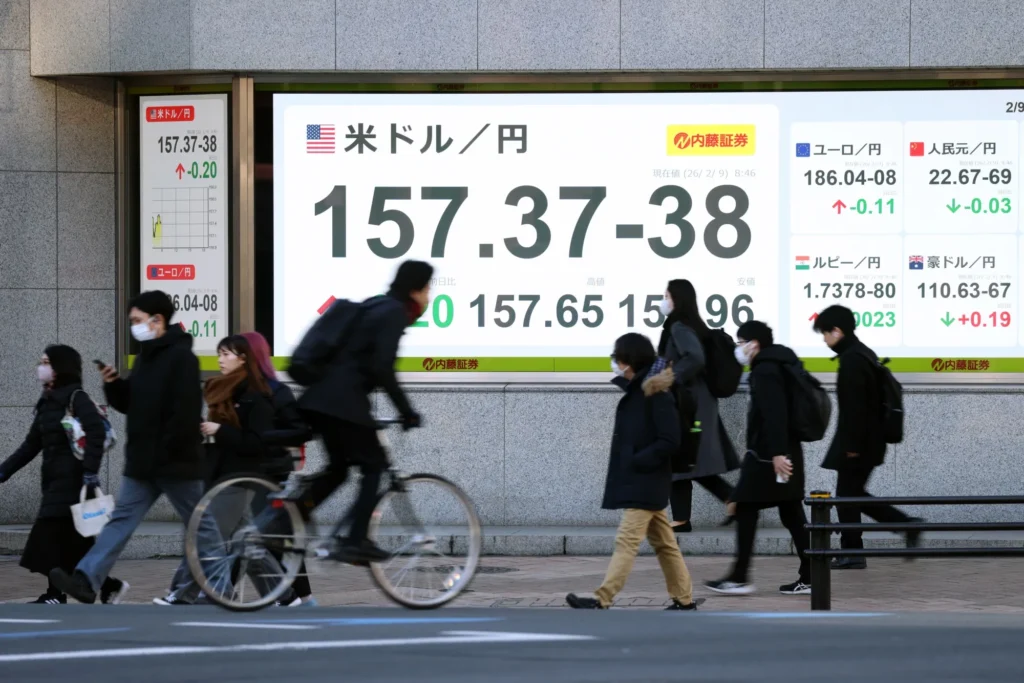
Navigating Market Volatility: 5 Essential Financial News Strategies
In today’s fast-paced financial landscape, market volatility is a constant. Prices swing, headlines blare, and sentiment can shift in an instant. For investors, this environment can feel like navigating a ship through a storm. While volatility is inherent to investing, your reaction to it doesn’t have to be driven by fear or impulse. The key to steady sailing lies in a disciplined approach to consuming and interpreting financial news. Rather than being a source of anxiety, the right news can be your most powerful navigational tool. This article outlines five essential strategies for using financial news to make informed, rational decisions when markets get rough.
Why Financial News Strategy Matters in Turbulent Times
When volatility spikes, a flood of information—and misinformation—hits the wires. Every minor dip or rally is dissected with dramatic urgency. Without a clear strategy, investors risk falling into common traps: reacting to noise instead of signal, making emotional decisions, and losing sight of their long-term plan. A structured approach to financial news helps you filter out the static, focus on what truly impacts your investments, and maintain a course aligned with your financial goals. It transforms news from a distraction into actionable intelligence.
Strategy 1: Prioritize Quality Sources Over Quantity of Information
The first rule of navigating volatile markets is to be selective about your information diet. Not all news sources are created equal.
- Stick to Reputable Outlets: Rely on established financial news platforms, regulatory filings, and reports from major investment banks. Look for sources known for factual reporting over sensationalism.
- Differentiate Between News and Opinion: Clearly separate straight news reporting from analyst commentary, editorials, and pundit predictions. Both have value, but conflating them can cloud judgment.
- Use Primary Sources When Possible: For earnings or economic data, go straight to the source—the company’s investor relations page or official government statistical releases—rather than relying solely on a third-party summary.
Consuming less, but higher-quality, information reduces anxiety and provides a more stable foundation for decision-making.
Strategy 2: Understand the “Why” Behind the Headline
A headline shouts, “Market Plummets 3% on Inflation Fears.” Your job is to look beyond it. Ask critical questions: Is this a broad market move or isolated to a sector? Is the inflation data a one-off surprise or part of a sustained trend? How might central banks respond? By digging into the context and mechanics behind the news, you move from a reactive stance to an analytical one. This involves reading past the first paragraph of an article, checking related stories, and understanding the chain of causality. Knowing the fundamental “why” helps you assess if a market move is a temporary overreaction or the start of a new trend.
Strategy 3: Align News with Your Investment Horizon and Plan
A day trader and a retiree living off dividends will view the same piece of news very differently. Your strategy for consuming news must be filtered through your personal investment horizon and plan.
- Long-Term Investors: Focus on news about long-term macroeconomic trends, demographic shifts, technological innovation, and company fundamentals (e.g., management changes, competitive moats). Short-term price volatility news is often irrelevant noise.
- Short-Term Traders: Necessarily focus on technical indicators, momentum, and immediate catalyst-driven news. However, even traders benefit from understanding the broader context to avoid being caught in a reversal.
Before acting on any news, pause and ask: “Does this information materially change the long-term thesis of my investment, or is it short-term static?” If it’s the latter, it likely doesn’t warrant a portfolio overhaul.
Building Your Defensive Routines
Implementing practical daily routines can institutionalize these strategies and prevent impulsive behavior.
Strategy 4: Schedule Your News Consumption, Don’t Let It Schedule You
Constantly checking tickers and news alerts is a recipe for stress and poor decisions. Instead, be proactive.
- Designate Specific Times: Set one or two fixed times per day to catch up on market news and check your portfolio. This prevents you from being in a constant state of market surveillance.
- Turn Off Non-Essential Alerts: Disable push notifications for every market dip and gain. Allow only critical alerts for specific stocks you follow closely or for major macroeconomic announcements you need to know immediately.
- Start with the Big Picture: Begin your news session with a top-down view—major global indices, key economic data—before drilling down into sector or stock-specific news relevant to your holdings.
This habit creates mental space, reduces emotional whiplash, and fosters a more disciplined, strategic mindset.
Strategy 5: Use News to Identify Opportunities, Not Just Risks
Volatility is a two-way street. While often framed as a risk, it also creates opportunity. A strategic news reader looks for the potential upside hidden within fearful headlines.
- Look for Oversold Conditions: When panic selling hits a fundamentally strong company or sector due to broad market fear, it may present a buying opportunity for the disciplined investor.
- Monitor Insider Activity: News about company executives buying their own stock in a downturn can be a powerful, data-driven signal of confidence.
- Spot Sector Rotations: Financial news can help you identify where capital is flowing as market conditions change. Is money moving from growth to value? From tech to utilities? Understanding these rotations can inform strategic allocation shifts.
By training yourself to look for value amidst volatility, you transform news from a threat monitor into a strategic scanner.
Charting a Steady Course Forward
Market volatility is not an obstacle to avoid but a condition to manage. By adopting these five essential financial news strategies—prioritizing quality sources, seeking context, aligning news with your plan, scheduling consumption, and hunting for opportunity—you equip yourself with a robust framework for decision-making. You learn to tune out the distracting noise and amplify the meaningful signals. Remember, in the storm of market fluctuations, your greatest asset is not predicting every wave, but possessing a sturdy ship and a reliable compass. Let disciplined news consumption be that compass, guiding you confidently toward your long-term financial destination, regardless of the short-term weather.