
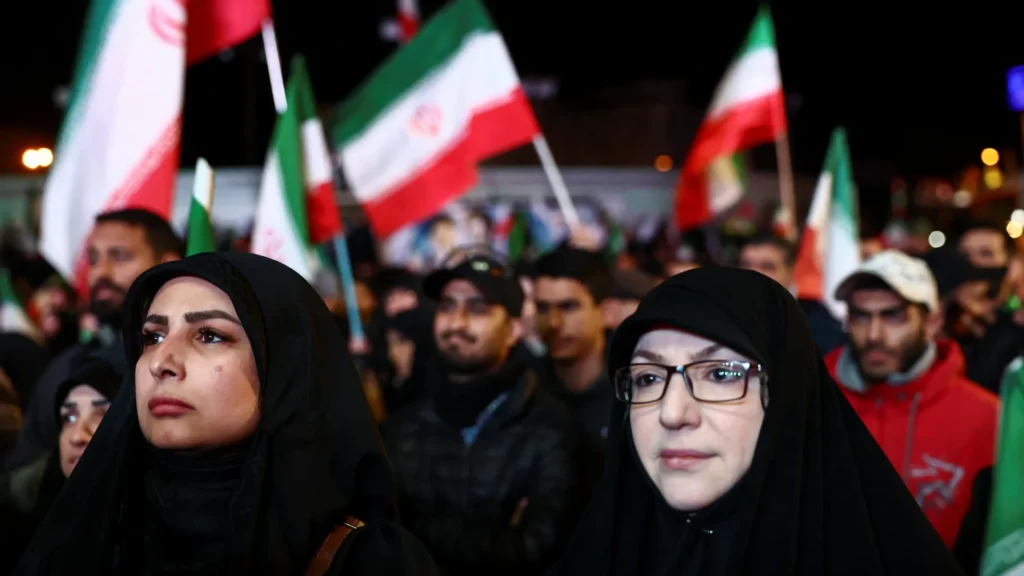
Iran Accepts Two-Week Ceasefire: A Critical Pause in the Conflict
In a significant and unexpected diplomatic development, Iran has formally accepted a proposal for a two-week ceasefire in its ongoing regional conflict. This announcement, confirmed by Iranian state media, marks the first major breakthrough in months of escalating hostilities and offers a fragile window for potential de-escalation. The world now watches closely to see if this temporary halt in violence can be transformed into a more durable peace.
The ceasefire, brokered through back-channel negotiations with international mediators, is set to take effect imminently. While the exact terms remain partially undisclosed, reports indicate the agreement includes a complete cessation of military operations by all involved parties, the establishment of humanitarian corridors for aid delivery, and a framework for direct talks to begin within the ceasefire period.
A Strategic Pause: Motivations Behind Iran’s Acceptance
Analysts are swiftly dissecting the motivations that led Tehran to agree to this pause. The decision is likely not born from a single factor, but a confluence of strategic, economic, and domestic pressures.
Mounting Economic and Military Strain
The prolonged conflict has imposed a severe toll. Despite its regional proxy network, sustaining offensive operations has drained resources. International sanctions, already crippling, have been tightened further, exacerbating internal economic crises including rampant inflation and currency devaluation. The ceasefire provides a critical respite to regroup and reassess logistical chains and military readiness without the constant pressure of active engagement.
Humanitarian and Diplomatic Pressures
The staggering civilian casualty toll and the growing humanitarian catastrophe in conflict zones had become a focal point for global condemnation. International pressure, including from previously neutral states, reached a crescendo, making the political cost of continued offensive action unsustainable. Accepting the ceasefire allows Iran to recalibrate its international image and engage with diplomatic channels it had previously shunned.
An Opportunity for Regional Recalibration
From a geopolitical standpoint, the two-week window offers Tehran a chance to consult with its allies and reassess the broader chessboard. The conflict had begun to risk direct confrontation with other major powers, a scenario Iran has historically sought to avoid. This pause can be used to signal openness to dialogue while testing the resolve and unity of opposing factions.
Immediate Implications and On-the-Ground Realities
The immediate effect of the ceasefire, if upheld, will be profound.
- A Lifeline for Civilians: The most urgent impact will be humanitarian. Aid agencies are poised to enter previously inaccessible areas to deliver food, medical supplies, and essential services. The establishment of safe corridors could allow for the evacuation of wounded and trapped non-combatants.
- A Tense Calm: Frontline forces will transition to defensive positions under the watch of potential international observers. This period will be fraught with tension, as any perceived violation could trigger an immediate collapse of the agreement. Trust between the warring parties is virtually nonexistent.
- Diplomatic Flurry: Capitals around the world will engage in a frenzy of diplomacy. The primary goal for mediators will be to use this two-week period not just as a pause, but as a launchpad for substantive negotiations addressing the root causes of the conflict.
The Path Forward: From Ceasefire to Lasting Peace?
The acceptance of the ceasefire is a pivotal first step, but it remains an incredibly fragile one. The history of such conflicts is littered with temporary truces that ultimately collapsed. The success of this initiative hinges on several critical factors.
Core Challenges to a Sustained Peace
The underlying issues that sparked the war—territorial disputes, regional influence, and security guarantees—remain entirely unresolved. The ceasefire does not solve these problems; it merely pauses the shooting. For talks to succeed, all parties must enter negotiations with a degree of flexibility that has so far been absent. Key challenges include:
- The future status of contested border regions.
- Disarmament protocols for non-state actors involved in the conflict.
- Mechanisms for verifying compliance and preventing rearmament during negotiations.
- The role and influence of external powers backing different sides.
The Role of the International Community
The international community must move beyond facilitating the pause to actively guaranteeing the process. This involves:
- Providing robust monitoring teams to report violations impartially.
- Preparing a package of economic incentives for compliance and consequences for violation.
- Ensuring humanitarian aid is delivered apolitically and reaches all affected populations.
Perhaps the most significant role for global powers is to manage their own rivalries and present a united front that encourages compromise rather than fueling intransigence.
A Moment of Cautious Hope
Iran’s acceptance of a two-week ceasefire is the most promising news from a troubled region in a long time. It represents a critical acknowledgment by all sides that the military path has led only to devastation and stalemate. This pause saves lives today and opens a door that many feared was permanently sealed.
However, optimism must be tempered with stark realism. Two weeks is an exceedingly short time to bridge deep-seated enmities. The ceasefire is not an end, but a means—a tool to create the space for the far harder work of diplomacy. Whether this moment is remembered as a turning point toward peace or merely a brief interlude in a longer war depends entirely on the courage, compromise, and political will demonstrated in the coming days. The world holds its breath, hoping for the former.

