
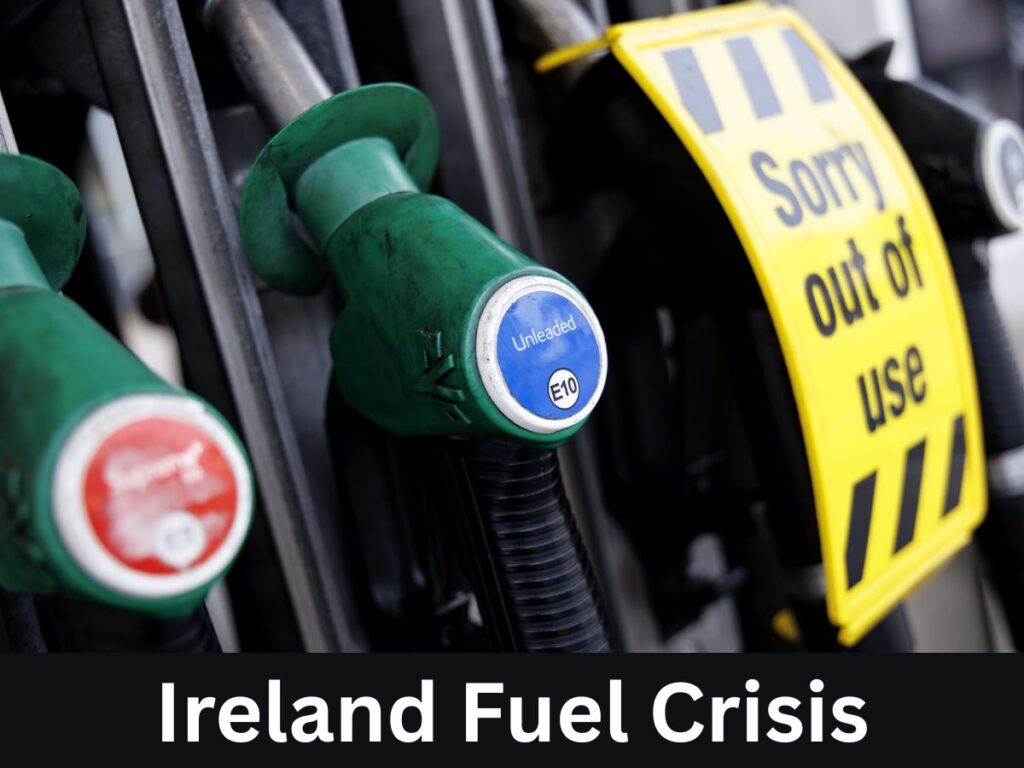
Ireland’s Fuel Crisis: Protests Paralyze Pumps and Disrupt Daily Life
A wave of frustration over soaring living costs has brought parts of Ireland to a standstill, as coordinated protests over fuel prices have blocked key infrastructure, causing widespread disruption and sparking a national debate. What began as a movement by hauliers and farmers has escalated into a significant crisis, with roadblocks paralyzing access to vital fuel depots and major motorways, leaving ordinary citizens and businesses caught in the middle.
The immediate impact is palpable: long queues at petrol stations, panic buying, and a growing anxiety about how to carry out essential daily tasks. This blog post delves into the roots of the protest, its cascading effects on Irish society, and the complex path forward for a nation grappling with a perfect storm of economic pressures.
The Spark: Why Protesters Are Taking to the Roads
At the heart of the demonstrations is a deep-seated anger over the relentless rise in fuel costs. Protesters, primarily from the transport and agricultural sectors, argue that the price of diesel has become unsustainable, threatening their livelihoods and, by extension, the country’s supply chains. They point to a combination of global market instability and what they perceive as excessive government taxation on fuel.
The protest strategy has been direct: to physically block access to critical fuel distribution points, most notably the Irving Oil Refinery in Dublin. By halting the flow of tankers, organizers aim to amplify their message to the government, forcing a conversation about potential relief measures, such as a temporary reduction in excise duty. The disruption is not a side effect; it is the central tactic to demonstrate the essential role these industries play in keeping Ireland moving.
Ripple Effects: How the Blockades Are Impacting Daily Life
The consequences of the blockades have spread far beyond the protesters’ original targets. The strategic nature of the disruptions has created a cascade of logistical nightmares.
Immediate Fuel Shortages and Panic Buying
News of the blockades triggered an almost instantaneous reaction from the public. Social media posts showing empty forecourts led to a surge in panic buying, which further drained reserves and created a self-fulfilling prophecy of scarcity. For many, the simple act of commuting to work, taking children to school, or running errands has become a source of stress, requiring careful planning and often, wasted time in lengthy queues.
Disruption to Commerce and Supply Chains
The impact on businesses is severe. Haulage companies, even those not directly involved in the protests, face delays and increased costs. This disruption threatens:
- Just-in-time delivery systems for supermarkets and retailers.
- The transport of perishable goods, including food and medical supplies.
- Construction projects reliant on regular diesel deliveries.
- Public transportation schedules, affecting those who rely on buses.
Small and medium-sized enterprises, already struggling with post-pandemic recovery and energy inflation, now face an additional logistical and financial burden.
Community Division and Social Tension
While the protesters have significant support from those who sympathize with their plight, the methods have also caused frustration. Motorists stranded in traffic, ambulance services navigating blockades, and workers unable to reach their jobs have voiced anger. The protests have highlighted a difficult tension between the right to demonstrate and the broader public’s right to go about their lives unimpeded.
The Government’s Dilemma: Balancing Response and Resolution
The Irish government finds itself in a challenging position. On one hand, it must uphold the law and ensure the free movement of people and goods. Gardaí (Irish police) have been present at protest sites, aiming to maintain order and negotiate access, but the scale and determination of the protests have made clearances difficult.
On the other hand, the core issue—the cost of living crisis—is undeniably real. The government has already implemented some relief measures, but protesters argue they are insufficient. The state must now weigh the immediate need to end the disruptive blockades against the longer-term necessity of crafting a meaningful policy response to inflation that addresses the concerns of vital industries without resorting to unsustainable subsidies.
Looking Ahead: Pathways Out of the Crisis
Resolving this crisis requires movement from all sides. A multi-faceted approach is likely needed:
1. Dialogue and Negotiation
The first step is sustained, good-faith dialogue between government representatives and protest organizers. While the blockades have succeeded in grabbing headlines, a lasting solution will be found at the negotiation table, not on the roadway. Establishing a formal channel to discuss targeted support for the hardest-hit sectors is crucial.
2. Broader Cost-of-Living Measures
The fuel protests are a symptom of a larger economic problem. Any response must be part of a wider package addressing energy costs, housing, and general inflation. Piecemeal solutions may only temporarily quell discontent.
3. Long-Term Energy Security Planning
This crisis underscores Ireland’s vulnerability to global fuel price shocks. It will likely accelerate discussions on:
- Investing in renewable energy infrastructure to reduce dependency on imported fossil fuels.
- Exploring and supporting the transition to electric and alternative-fuel vehicles for commercial fleets.
- Reviewing the structure of energy taxation to ensure it is fair and does not disproportionately penalize essential services.
A Nation at a Crossroads
Ireland’s fuel protests are more than just about the price at the pump. They are a stark manifestation of the growing anxiety over economic survival in an era of global uncertainty. The sight of blocked roads and empty forecourts has become a powerful symbol of a population pushed to its limit.
The coming days and weeks will be critical. The government’s ability to de-escalate the immediate situation while formulating a credible, comprehensive response to the cost-of-living crisis will test its resolve. For the public and businesses, the hope is for a swift and fair resolution that restores normalcy while addressing the legitimate fears that brought this crisis to a head. The road ahead requires careful navigation, but the destination must be a sustainable and equitable solution for all of Ireland.

