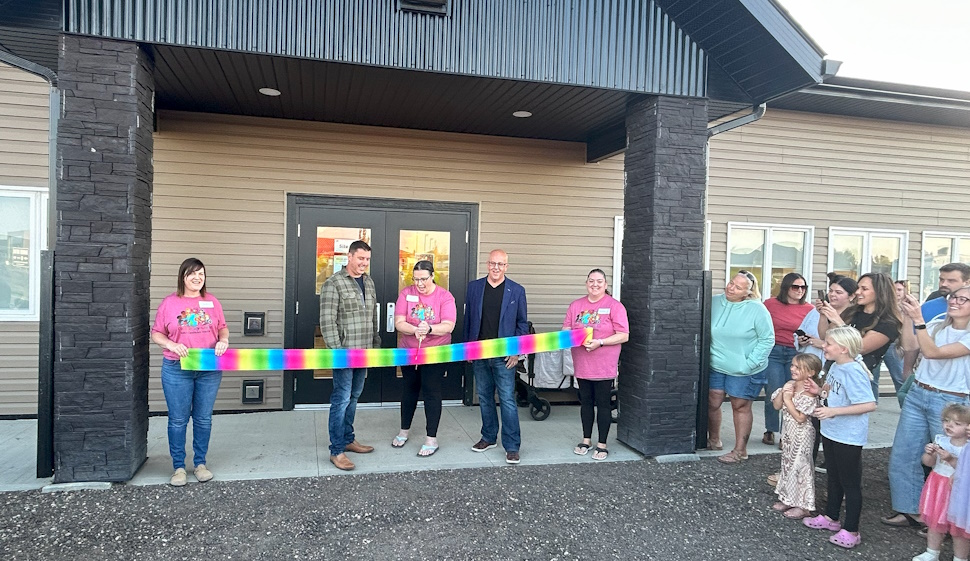
Canada and Saskatchewan Extend $10-a-Day Child Care Deal
In a significant move for families across the province, the Governments of Canada and Saskatchewan have announced a pivotal extension to their early learning and child care agreement. This renewed partnership ensures the continued implementation and expansion of the transformative $10-a-day child care initiative, a cornerstone of the national Canada-wide Early Learning and Child Care (CWELCC) system. This extension solidifies a long-term commitment to making life more affordable for Saskatchewan parents, primarily mothers, while fostering economic growth and giving children the best possible start in life.
The original agreement, signed in 2021, set the province on a path to reduce child care fees to an average of $10 per day by March 2026. This new extension builds upon the remarkable progress already made, injecting substantial federal funding to sustain and grow the system for years to come. For thousands of families, this news translates to continued financial relief and the assurance that high-quality, affordable child care is not a temporary measure but a permanent fixture in the social landscape of Saskatchewan.
A Landmark Investment in Families and the Economy
The extended agreement represents a profound investment with dual benefits: it directly tackles the cost-of-living crisis for families and acts as a powerful economic driver. By significantly reducing one of the largest household expenses, the program frees up income for other necessities, stimulates local economies, and enables parents, particularly women, to more fully participate in the workforce.
Key Financial Commitments and Projected Outcomes
The financial backbone of this extension is a commitment of $1.1 billion in federal funding over the next four years. This investment is earmarked for several critical areas:
- Sustaining the $10-a-day Fee Model: A core portion of the funding will ensure that licensed child care facilities can continue to offer spaces at or near the $10-a-day target, protecting the affordability gains already achieved.
- Creating Thousands of New Licensed Spaces: The agreement includes an ambitious target to create approximately 28,000 new licensed early learning and child care spaces for children under the age of six. This expansion is crucial to meeting the overwhelming demand and reducing waitlists.
- Supporting a Qualified Workforce: Recognizing that a high-quality system depends on a well-supported workforce, the funding will continue to support the Early Childhood Educator (ECE) Wage Grid. This initiative provides competitive wages and benefits, helping to recruit and retain the skilled professionals essential for our children’s development.
- Enhancing Inclusion and Quality: Investments will also be directed toward inclusive child care, ensuring services are accessible for children with disabilities and those needing enhanced or individual supports.
The Tangible Impact on Saskatchewan Families
Since the initial agreement was signed, the positive effects on the ground have been undeniable. Parents who once struggled with fees that sometimes rivaled mortgage or rent payments are now experiencing genuine financial breathing room.
From Financial Strain to Financial Freedom
The trajectory of fee reduction has been swift and impactful. Families have seen their child care fees cut by an average of 50 percent already, with many now paying $10 a day or moving towards that benchmark. This reduction is not just a statistic; it’s a life-changer. It means:
- A young family can now save for a down payment on a home.
- A parent can return to school to upgrade their skills or pursue a new career.
- A household can manage rising grocery and utility costs without sacrificing other essentials.
- More disposable income is circulating within local Saskatchewan businesses.
The psychological relief of knowing that child care is affordable and reliable cannot be overstated. It reduces stress and allows parents to be more present and productive both at home and at work.
Building a Stronger, More Inclusive Early Learning System
Beyond affordability, the extended agreement places a strong emphasis on building a high-quality, inclusive, and resilient child care system. This involves a multi-faceted approach focused on the needs of children, educators, and communities.
A Focus on Quality and Workforce Development
A child care system is only as good as its educators. The continued support for the ECE Wage Grid is a critical component in addressing the sector’s workforce challenges. By offering better compensation and professional development opportunities, the province aims to:
- Attract new talent to the ECE profession.
- Retain experienced educators who are the backbone of the system.
- Improve the overall quality of care and early learning pedagogy.
Furthermore, the agreement commits to developing a data and reporting strategy to ensure transparency and measure progress against the targets for space creation, affordability, and inclusivity. This data-driven approach will help both governments fine-tune the program to best serve Saskatchewan residents.
Ensuring No Child is Left Behind
A key pillar of the agreement is its commitment to inclusivity. The funding will support the creation of spaces and resources specifically designed for:
- Children with disabilities and diverse abilities.
- Families in rural and remote communities, who often face a severe shortage of licensed care options.
- Indigenous communities, ensuring that culturally appropriate early learning and child care is available.
- Non-standard hour care, supporting parents who work evenings, nights, or weekends.
This focus ensures that the benefits of $10-a-day child care are extended equitably across the entire province, leaving no family behind.
Looking Ahead: A Sustainable Future for Child Care
The extension of the Canada-Saskatchewan child care agreement marks a transition from a groundbreaking pilot project to a stable, long-term public policy. It signals a shared understanding between governments that affordable child care is not a luxury but a necessity for a thriving, modern society.
The work, however, is not yet complete. The challenge now lies in the effective implementation of the space creation plan and the continued collaboration with child care providers, ECEs, and parents. As the network of $10-a-day spaces grows, it will further unlock economic potential, support child development, and solidify Saskatchewan’s place as a leader in early learning and child care.
For parents in Saskatchewan, this announcement is more than just a political agreement; it is a promise of a more affordable and secure future for their families. It is an investment in their children’s potential and a testament to the power of collaborative government action to make a tangible, positive difference in the lives of its citizens.