Canadian Investment Drives NYC Condo Boom in Brooklyn and Queens
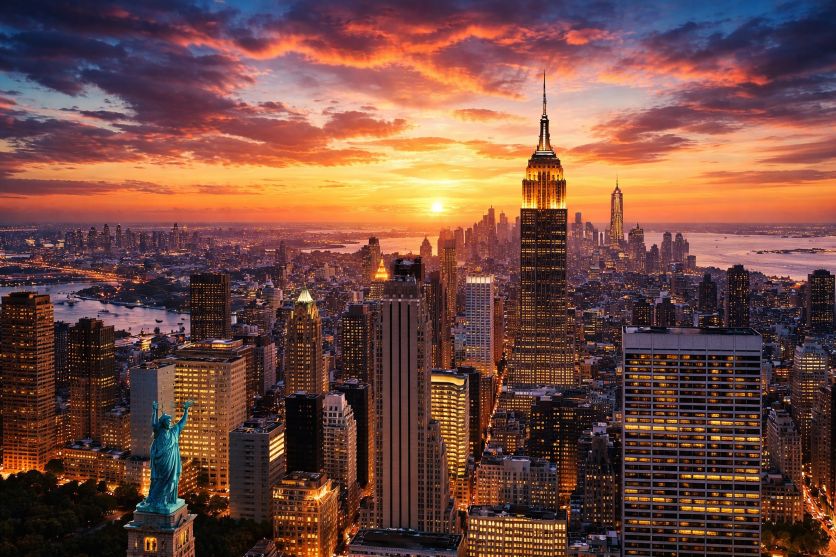
For decades, the iconic skyline of Manhattan has been the undisputed symbol of New York City real estate. But a seismic shift is underway, reshaping the city’s residential landscape and, in turn, the very experience of urban living and travel. The epicenter of this transformation is no longer just Midtown or Tribeca; it’s spreading across the East River into the vibrant boroughs of Brooklyn and Queens. Fueling this rapid evolution is a powerful and consistent force: Canadian investment capital.
Driven by a search for stable returns, currency advantages, and a deep familiarity with dense urban markets, Canadian developers and institutional investors are pouring billions into new condo developments. This influx is accelerating construction, altering neighborhood skylines, and creating a new paradigm for what it means to live in—and visit—New York City.
Why Brooklyn and Queens? The Canadian Investment Thesis
The strategic pivot by Canadian firms toward Brooklyn and Queens is not accidental. It is a calculated move based on several key market fundamentals that align perfectly with Canadian investment strategies.
- Relative Value & Growth Potential: While Manhattan remains premium, its price per square foot often exceeds that of burgeoning neighborhoods in Brooklyn and Queens. Canadian investors see untapped potential and higher yield opportunities in these areas, betting on long-term appreciation as infrastructure and amenities catch up to demand.
- Demographic Tailwinds: These boroughs are hubs for the city’s young professionals, creatives, and a growing number of families seeking more space. There is a sustained, organic demand for modern housing that the new condo developments aim to satisfy.
- Infrastructure and Connectivity: Massive public transit improvements and ongoing developments like the Long Island Rail Road expansion to Grand Central have dramatically improved connectivity from Queens and Brooklyn to the entire city, enhancing their livability and appeal.
- Favorable Currency Exchange: Historically, a strong Canadian dollar relative to the US dollar has provided Canadian investors with increased purchasing power, making US-based assets like NYC real estate particularly attractive.
Redefining Neighborhoods: A New Skyline Emerges
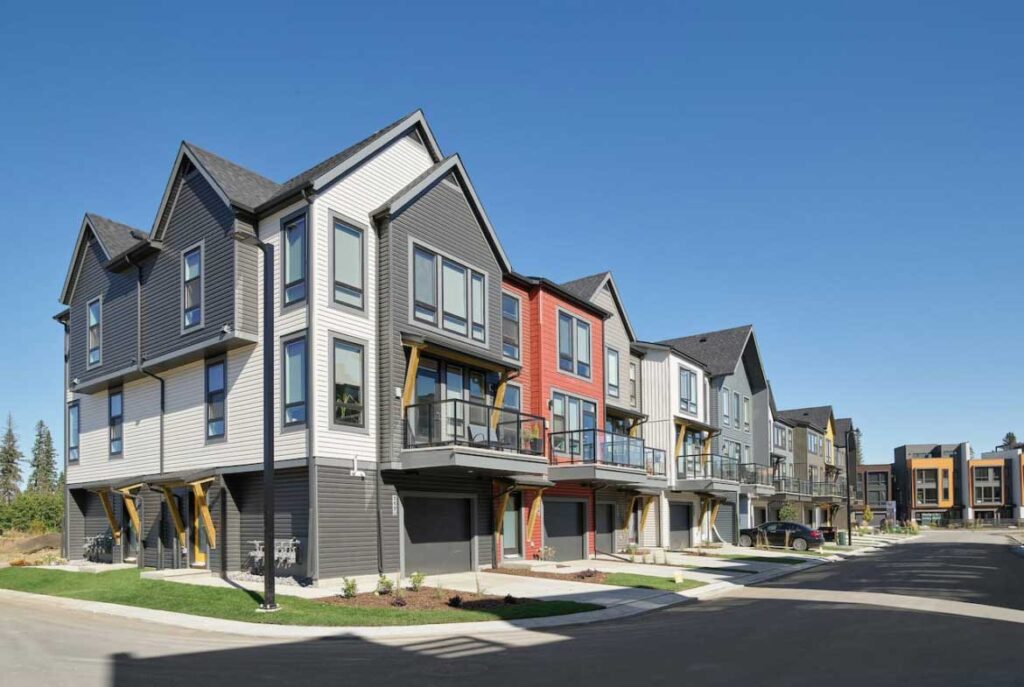
The impact of this investment wave is visually striking and fundamentally changing the character of entire neighborhoods. Areas once defined by low-rise buildings and industrial warehouses are now punctuated by sleek, glass-clad condominium towers.
Brooklyn’s Development Hotspots
In Brooklyn, the waterfront has been utterly transformed. Downtown Brooklyn and DUMBO continue to see luxury towers rise, but the action has pushed further into Williamsburg, Greenpoint, and now, neighborhoods like Gowanus and Sunset Park. Canadian-backed projects are offering not just homes, but full lifestyle packages with amenities like coworking spaces, rooftop lounges, and fitness centers, catering to a remote-work and experience-driven population.
Queens’ Rapid Renaissance
Queens is experiencing perhaps the most dramatic metamorphosis. Long Island City (LIC) stands as the most prominent example, with its forest of new residential towers offering breathtaking Manhattan views. The development is spreading along the Queens waterfront into Astoria and Sunnyside, and around major transit hubs like the area surrounding the new Moynihan Train Hall access points. These projects are creating new, dense urban cores where none existed before.
The Ripple Effect: Travel, Lifestyle, and Urban Living Redefined
This condo boom, powered by international capital, is creating profound ripple effects that extend far beyond the real estate market.
A New Blueprint for Urban Living
The modern condo development is no longer just an apartment building; it’s a vertical community. These projects are designed as self-contained ecosystems. For residents, this means:
- Hybrid Work-Life Integration: With dedicated coworking spaces and high-speed internet, the building itself supports the post-pandemic work model.
- Wellness as Amenity: State-of-the-art gyms, yoga studios, meditation rooms, and even spa facilities are becoming standard, reflecting a prioritization of health.
- Social Infrastructure: Rooftop terraces with grilling stations, private dining rooms, and screening rooms foster community and reduce the need to leave the building for socializing.
Transforming the Travel and Tourism Landscape
For visitors, the changing cityscape offers a new New York to explore. The travel lifestyle is being redefined in several ways:
- Beyond Manhattan Hotels: The rise of high-end condos has spurred growth in the short-term rental and boutique hotel market in these boroughs. Travelers can now base themselves in vibrant, local neighborhoods like LIC or Williamsburg, experiencing a more authentic, less tourist-centric version of the city.
- New Destinations and Dining: This residential boom supports a parallel explosion in hospitality. New restaurants, cafes, bars, and cultural venues open to serve the influx of new residents, creating fresh destinations for day-trippers and foodie tourists looking beyond Manhattan’s established scenes.
- Redefined Tourist Corridors: As neighborhoods like Downtown Brooklyn and LIC become major residential and commercial hubs, they also become starting points for exploration, easing congestion in traditional tourist centers and dispersing economic benefits.
Challenges and Considerations for the Future
While the development surge brings energy and investment, it is not without its challenges. Concerns about affordability, displacement of long-term residents, and the strain on existing infrastructure like schools and subways are critical issues that city planners and communities are grappling with. The architectural homogeneity of some new developments also sparks debates about neighborhood character and historic preservation.
The long-term success of this transformation will depend on a balanced approach that encourages responsible development while ensuring inclusive growth and preserving the unique cultural fabric that made these boroughs attractive in the first place.
Conclusion: A Lasting Transformation
The surge of Canadian investment into the condo markets of Brooklyn and Queens is more than a real estate trend; it is a powerful catalyst permanently reshaping New York City. It is decentralizing the city’s residential core, creating new urban experiences, and offering a modern blueprint for metropolitan living that prioritizes convenience, community, and wellness.
For potential homeowners, it presents new opportunities to own a piece of a evolving city. For travelers, it unlocks new, dynamic neighborhoods to explore. And for New York itself, it marks the latest chapter in its endless evolution—a chapter increasingly written with an international perspective, rising not in the shadow of Manhattan, but proudly alongside it, across the river.