Xi Jinping Warns Against Global Return to Law of the Jungle
In a world increasingly defined by geopolitical tension, economic fragmentation, and complex security challenges, the principles governing international relations are under immense strain. The specter of a global system reverting to raw power politics—where might makes right—is a growing concern for leaders and citizens alike. At a recent high-level forum, Chinese President Xi Jinping issued a stark warning against this very trend, cautioning the international community against a slide back into a “law of the jungle” paradigm.
A Stark Warning in a Multipolar World
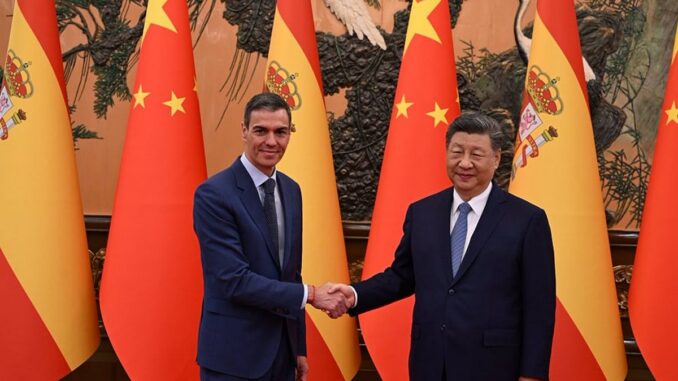
President Xi’s remarks, delivered at the Conference on Dialogue of Asian Civilizations, serve as a pointed commentary on current global dynamics. While not naming specific nations, the message was clear: unilateralism, protectionism, and a zero-sum mindset pose a fundamental threat to global stability and prosperity. Xi positioned China as a steadfast advocate for a different path—one built on multilateralism, mutual respect, and win-win cooperation.
This vision is central to China’s foreign policy doctrine, often encapsulated in initiatives like the Belt and Road Initiative (BRI) and the concept of a “community with a shared future for mankind.” The warning against jungle law is, therefore, not just rhetorical but is framed as a defense of the very systems China claims to champion.
Decoding the “Law of the Jungle” in Modern Geopolitics
What does a modern “law of the jungle” look like? In today’s context, it transcends mere military aggression. It encompasses a range of actions that undermine the established, albeit imperfect, rules-based international order.
Key Characteristics of a Neo-Jungle Law System:
- Unilateral Sanctions and Economic Coercion: Using economic dominance as a weapon to force political compliance, bypassing multilateral institutions.
- Bloc Confrontation and New Cold War Mentalities: Dividing the world into rigid ideological or strategic camps, stifling dialogue and cooperation.
- Disregard for International Law and Norms: Selectively applying or outright ignoring international rulings and agreements when they conflict with national interests.
- Might-Makes-Right Security Policies: Pursuing security at the expense of others’ security, leading to arms races and regional instability.
Xi’s speech argues that this approach is a dead end, inevitably leading to conflict and holding back human development. Instead, he calls for civilizational dialogue and inclusive development.
The Chinese Counter-Vision: Multilateralism with Chinese Characteristics
In contrast to the “jungle,” President Xi advocates for a world order that reflects China’s rise and its core interests. This vision has several pillars:
Respect for Sovereignty and Non-Interference: A long-standing principle of Chinese foreign policy, emphasizing that countries have the right to choose their own development paths. This is particularly resonant with many Global South nations wary of Western interventionism.
Win-Win Cooperation Through Initiatives like the BRI: Framing China’s global infrastructure and investment drive as an inclusive platform for shared growth, countering narratives of “debt-trap diplomacy” or neo-colonialism.
Reform of Global Governance: China consistently calls for reforms in institutions like the UN to give greater voice to developing countries, a move that would naturally increase Beijing’s influence.
The Global Security Initiative (GSI) and Global Development Initiative (GDI): These recently proposed frameworks aim to present Chinese solutions to global security and development dilemmas, positioning China as a responsible agenda-setter.
Global Reactions and the Inherent Contradictions
The international reception to such warnings is mixed. Many nations, especially those historically on the receiving end of Western hegemony, may find appeal in the rhetoric of sovereignty and multipolarity. However, significant skepticism remains.
Critics point to apparent contradictions between China’s words and actions. Key areas of concern include:
- Regional Disputes: China’s assertive postures in the South China Sea and East China Sea, where it has territorial and maritime disputes with neighbors, are often cited as examples of power projection that challenge the very rules-based order it claims to uphold.
- Trade Practices: Allegations of unfair trade practices, intellectual property issues, and state-led economic model challenges fuel accusations that China itself benefits from a skewed playing field.
- Domestic Governance: The argument for “non-interference” is sometimes viewed as a shield against criticism of human rights records or domestic policies, creating tension with Western nations that advocate for values-based foreign policy.
This gap between rhetoric and perceived reality leads to a crucial question: Is China offering a genuine alternative to power politics, or is it shaping a new system where its own power is the predominant rule?
The Path Forward: Navigating Between Jungle Law and a New Order
President Xi Jinping’s warning is a significant intervention in the global debate about our collective future. It successfully highlights the real dangers of resurgent nationalism and unilateralism. The world is indeed at a crossroads, and a regression to brute force politics would be catastrophic for all.
However, the effectiveness of this message depends largely on consistent demonstration. Building trust requires not only visionary speeches but also transparent and consistent actions that align with stated principles of mutual respect and international law. The challenge for the global community is to:
- Engage critically with China’s proposed initiatives, seeking concrete cooperation where interests align.
- Hold all major powers, including China, accountable to the universal standards and norms they profess to support.
- Strengthen and reform existing multilateral institutions to make them more representative and effective, preventing their irrelevance or collapse.
The alternative to the “law of the jungle” cannot simply be a system where a different set of rules applies. The ultimate goal must be a resilient, equitable, and truly rules-based international order that can manage the profound competition between major powers without tipping into conflict. Whether the world can navigate this narrow path will define the 21st century. The warning has been issued; the response, from all sides, is still being written.