
Icefields Parkway Closed After Massive Avalanche, Travel Advisory Issued
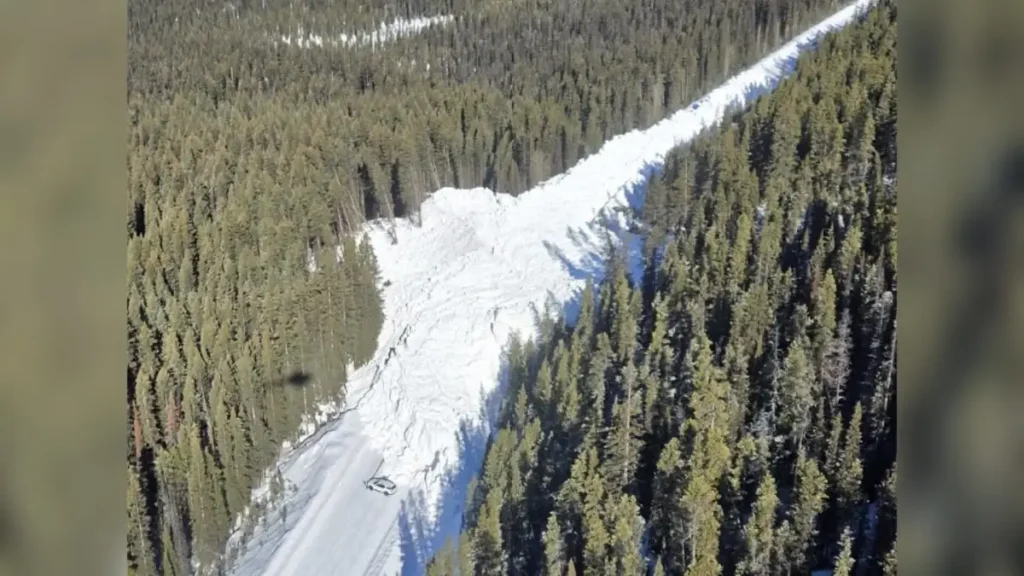
A dramatic and powerful reminder of nature’s force has severed one of Canada’s most scenic travel corridors. A massive avalanche has thundered down onto the Icefields Parkway in Alberta, prompting immediate closure of the highway and a stern travel advisory for the region. The incident, which occurred near the Weeping Wall area approximately 30 kilometres south of the Saskatchewan River Crossing, has deposited a staggering amount of snow, rock, and debris across the roadway, creating an impassable barrier.
Authorities have confirmed the parkway will remain closed until at least Saturday as specialized crews assess the significant hazard and begin the monumental task of clearance. This event underscores the critical and ever-present avalanche risks in the Canadian Rockies, especially during periods of fluctuating temperatures and substantial snowfall.
Details of the Icefields Parkway Avalanche Event
The avalanche was reported on Wednesday, its timing a fortunate factor as it occurred during a period of lower traffic volume. Parks Canada officials swiftly enacted a closure of the Icefields Parkway (Highway 93 North) between the Lake Louise junction (Highway 93 South) and the Saskatchewan River Crossing.
Initial assessments paint a picture of a substantial slide. The avalanche originated from a steep slope high above the highway, gathering snow and loose material as it descended. The debris field is reported to be deep and wide, completely covering both lanes of the highway. The force of the slide also damaged a section of guardrail, illustrating the powerful impact.
Why Did This Avalanche Happen?
While a formal avalanche forecast analysis is ongoing, the conditions leading up to the event were primed for instability. The region has experienced a winter of significant snowfall, building up deep snowpacks on the mountain slopes. Recent weather patterns, including warming temperatures and solar radiation, can weaken the bonds between snow layers.
This creates a situation where a thick slab of snow can release, sliding over a weaker, more granular layer beneath. The terrain along the Weeping Wall is notoriously avalanche-prone, with steep cliffs and couloirs that funnel snow directly onto the roadway below. This combination of a heavy snowpack, warming weather, and complex terrain created the perfect recipe for this major slide.
Impact on Travel and Local Operations
The closure of the Icefields Parkway has significant and immediate repercussions. This highway is not just a road; it is a vital lifeline and a world-renowned tourist destination connecting Banff and Jasper National Parks.
Key impacts include:
- Complete Road Closure: The parkway is impassable. There is no estimated time for reopening beyond the initial “until at least Saturday” advisory. Travelers cannot traverse between Lake Louise and the Saskatchewan River Crossing.
- Detour Routes: The only available detour is a lengthy one. Motorists must use the Trans-Canada Highway (Highway 1) and Highway 11 (David Thompson Highway) to bypass the closed section, adding several hours to any journey between Banff and Jasper.
- Stranded Travelers: Some visitors and residents were caught on either side of the closure. Authorities are assisting those who need to reach accommodations or essential services.
- Tours and Businesses: Guided tours, including snow coach trips onto the Columbia Icefield, are being disrupted. Local businesses that rely on through-traffic, such as lodges and gas stations near the closure, are experiencing immediate effects.
Official Response and Safety Advisory
Parks Canada, in coordination with Alberta Transportation, is leading the response. Their first priority is public safety. The area remains an active avalanche zone, with a high risk of further slides. Before any clearing equipment can be moved in, avalanche technicians must conduct thorough control work, likely using explosives, to deliberately trigger any unstable snow hanging above the highway.
A formal travel advisory remains in effect, urging the public to:
- Avoid all travel on the closed section of the Icefields Parkway.
- Check 511 Alberta for the latest road status and closure information.
- Respect all closure signs and barriers; they are in place for life-saving reasons.
- Prepare for winter driving conditions on detour routes.
The Bigger Picture: Avalanche Safety in Mountain Parks
This event is a critical teaching moment for all who live in or visit mountain environments. Avalanches are a natural and common process in the Rockies, and highways like the Icefields Parkway are engineered with this risk in mind, often featuring avalanche sheds in the most dangerous areas.
For backcountry users, this incident reinforces non-negotiable safety practices:
- Always check the avalanche forecast from Avalanche Canada before heading into the backcountry.
- Carry essential rescue gear—a transceiver, probe, and shovel—and know how to use it.
- Take formal avalanche skills training (AST) to understand how to assess terrain, snowpack, and weather.
- Travel with experienced partners and make conservative decisions.
The closure, while inconvenient, is a necessary and prudent measure. It highlights the sophisticated risk management systems in place to protect the public from these powerful natural events.
Looking Ahead: Cleanup and Reopening
The process to reopen the Icefields Parkway will be methodical and safety-dependent. Once avalanche control measures have stabilized the slopes above, heavy equipment will be brought in to clear the immense volume of debris. Crews will work around the clock, but the scale of the cleanup is substantial.
Factors influencing the reopening timeline include:
- Weather conditions: Further snowfall or warming could delay work.
- Stability of the avalanche path: Technicians must be confident the slope is secure.
- The extent of any road or guardrail damage that needs repair.
Travelers with plans to use the Icefields Parkway in the coming days must have flexible itineraries. The “until at least Saturday” timeframe is an initial estimate, and the closure could be extended if conditions are unsafe or cleanup takes longer than anticipated.
A Reminder of Nature’s Majesty and Power
The Icefields Parkway is celebrated for its breathtaking beauty, a corridor through some of the most stunning landscapes on Earth. This massive avalanche serves as a humbling reminder that this beauty is intertwined with powerful, untamable forces. The mountains are dynamic, and events like this are part of their natural cycle.
While the immediate focus is on safety, response, and cleanup, this event also underscores the importance of the work done by Parks Canada avalanche forecasters and technicians. Their expertise ensures that when the highway does reopen, it will be as safe as possible for the thousands of visitors who will once again travel this iconic route, perhaps with a renewed respect for the powerful environment surrounding them.
For now, the message is clear: heed the closures, follow official advisories, and plan accordingly. The mountains will still be there, and the majestic Icefields Parkway will reopen when it is safe to do so.

