
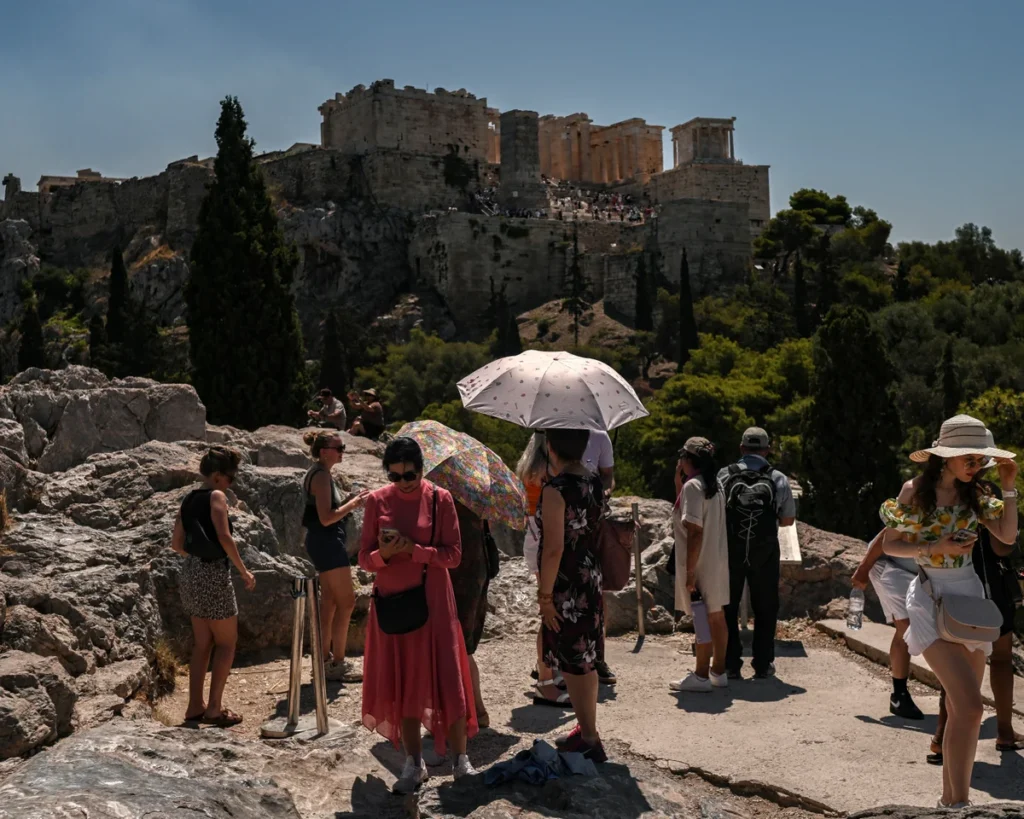
Athens Mayor Vows to Halt Overtourism Crisis: City Will Not Become a Giant Hotel
Athens has long been celebrated as the cradle of Western civilization—a place where ancient ruins stand alongside modern cafés and vibrant street life. But in recent years, the Greek capital has faced a growing problem. The surge of millions of visitors each year is reshaping the city, turning historic neighborhoods into transient zones where locals can no longer afford to live.
Now, the mayor of Athens has drawn a clear line: the city will not become a giant hotel.
In a bold policy move, city officials are rolling out measures aimed at putting residents first. The goal isn’t to stop tourism—but to make it sustainable.
The Overtourism Crisis in Athens
For decades, Athens has been a top global destination. Tourists flock to landmarks like the Acropolis of Athens and historic districts such as Plaka and Monastiraki.
But the scale of tourism has reached a breaking point.
Key Problems Facing the City
- Housing Crisis: Platforms like Airbnb have transformed residential areas into tourist zones. In districts like Koukaki and Exarchia, rents have surged, pushing locals out.
- Infrastructure Strain: Public transport, waste systems, and utilities are overwhelmed during peak seasons.
- Cultural Erosion: Local shops and traditional businesses are being replaced by tourist-focused establishments.
- Quality of Life Decline: Noise, congestion, and overcrowding are disrupting everyday life.
The mayor’s warning reflects a broader concern: the city is losing its identity.
Mayor’s Rescue Plan: A Multi-Pronged Approach
The strategy focuses on restoring balance between tourism and daily life.
Strict Limits on Short-Term Rentals
New rules aim to ease pressure on housing:
- Freeze on new short-term rental licenses in central areas
- Limits on how many days properties can be rented annually
- Higher taxes on full-time tourist rentals
The goal is to return housing units to long-term residents.
Regulating Cruise Ship Tourism
Athens, via the Port of Piraeus, is a key cruise destination. New measures include:
- Daily visitor caps at the Acropolis
- Staggered cruise arrivals
- Tourist taxes to support infrastructure
Redesigning Public Spaces for Locals
The city also plans to reclaim urban areas:
- Pedestrian-friendly zones
- Quiet residential districts with limits on nightlife expansion
- Funding for local culture and small businesses
Why This Matters Beyond Greece
What’s happening in Athens reflects a global trend. Cities like Barcelona, Venice, and Bali face similar challenges.
The Economic Argument for Limits
While tourism drives revenue, the current model has downsides:
- Low-spending visitors strain resources
- Rising housing costs push out workers
- Loss of authenticity reduces long-term appeal
Sustainable tourism may actually protect the economy in the long run.
A Political Gamble
Tourism accounts for a large share of Greece’s economy. Any restrictions risk backlash from businesses and platforms.
However, public support is growing. Many residents favor stronger regulation to protect their quality of life.
Will the Plan Work?
Success will depend on execution:
- Strong enforcement of new rules
- Support from the national government
- Adaptation from the tourism industry
The aim is not fewer tourists—but better-managed tourism.
The Bottom Line
Athens is sending a clear message: a city belongs to its people first.
By prioritizing housing, culture, and livability, the mayor is trying to reshape how tourism works—not just in Greece, but globally.
Whether this plan succeeds or not, Athens is now at the center of a critical conversation: how to preserve a city without closing it off to the world.
For its residents, the answer can’t come soon enough.

