Cuba’s Post-Communist Future: Navigating Unprecedented Challenges
For over six decades, Cuba has stood as a singular political entity in the Western Hemisphere, a nation defined by its revolutionary ideology and resistance to external pressure. Today, however, the island stands at a historic inflection point. The question is no longer *if* Cuba will change, but *how* it will navigate the profound and complex transition away from the system built by Fidel Castro. This journey is not towards a predetermined destination, but into a fog of economic crisis, generational shift, and geopolitical uncertainty, presenting challenges unlike any in its modern history.
The Unraveling of the Old Model: Economic Crisis as Catalyst
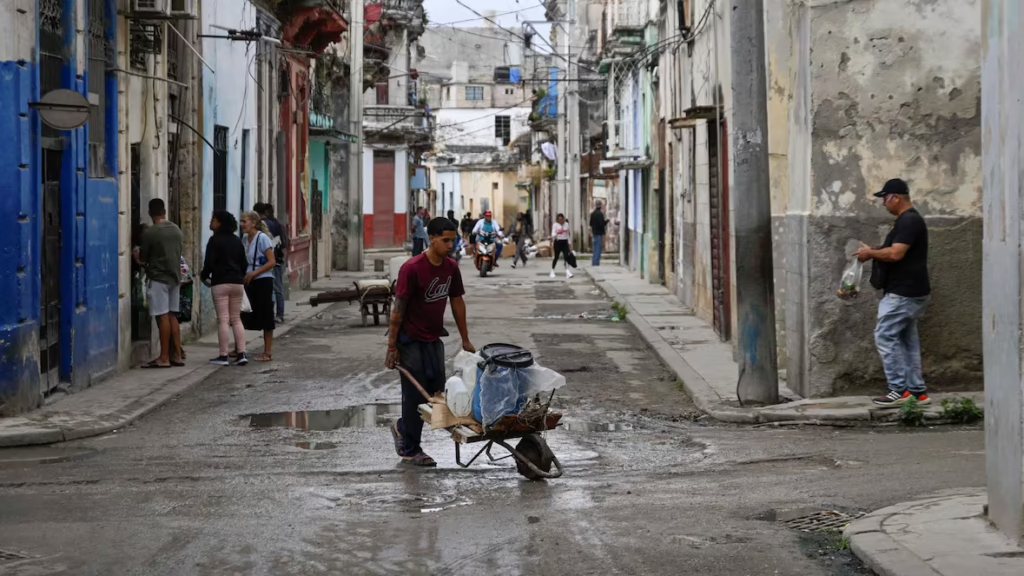
The most immediate and painful driver of change is a devastating economic collapse. Cuba’s economy is in a state of emergency, with shortages of food, medicine, and fuel becoming a grinding daily reality for millions. This crisis has multiple roots, creating a perfect storm that the old state-centric model seems powerless to weather.
The core issues are systemic and interconnected:
- The Pandemic and Lost Tourism: COVID-19 shattered the vital tourism industry, a primary source of hard currency. Recovery has been sluggish, hampered by ongoing global economic headwinds and the island’s own infrastructural limitations.
- Stricter U.S. Sanctions: The tightening of the U.S. embargo during the Trump administration, and its continued enforcement, has severely restricted Cuba’s access to international finance, fuel, and supplies, exacerbating every other problem.
- Inefficiency of the State System: Decades of centralized economic planning, a dual-currency system (only recently reformed), and a bloated public sector have stifled productivity and innovation. The state can no longer fulfill its historic role as the provider of basic necessities and employment.
- Global Inflation and the War in Ukraine: Soaring global prices for food and energy, compounded by the loss of a sympathetic trading partner in Russia, have further drained Cuba’s fragile foreign reserves.
This economic despair has manifested in unprecedented ways: the largest anti-government protests in decades in July 2021, and a massive exodus of over 400,000 Cubans to the United States in the last two years alone. The social contract of “shared hardship for national sovereignty” is fraying beyond repair.
A Society in Flux: Generational Change and Digital Awakening
Beyond economics, Cuba’s social fabric is transforming. The generation that lived through the 1959 revolution and its heroic early years is passing from leadership. In its place is a younger population with different priorities, less ideological commitment, and, crucially, greater connection to the outside world.
The rise of mobile internet has been a revolutionary force in itself. Since its broader availability in 2018, it has broken the state’s monopoly on information. Cubans are now acutely aware of global lifestyles, the scale of their own economic lag, and the realities of life in the diaspora. Social media has also become a powerful tool for organization and dissent, as seen in the 2021 protests. This digitally savvy generation is demanding not just material improvement, but also greater personal freedoms and a voice in their future.
The Leadership Dilemma: Reform Within the System
Formally, Cuba remains a one-party communist state. President Miguel Díaz-Canel, who succeeded Raúl Castro, represents a continuity of leadership from within the system. His government has initiated some reforms—allowing more private sector activity (cuentapropismo), decentralizing some state enterprises, and legalizing small and medium-sized private businesses (PYMEs). However, these changes are widely seen as too slow, too limited, and often reversed by bureaucratic inertia.
The leadership faces a nearly impossible balancing act: how to introduce enough market mechanisms to stave off total economic collapse and social unrest, without triggering a political liberalization that could threaten the ruling party’s monopoly on power. This “reform from above” is a high-wire act, constantly pulled between hardliners fearing a “Chinese-style” capitalist dilution and a populace demanding “Vietnamese-style” rapid development.
Geopolitical Crossroads: Navigating a Multipolar World
Cuba’s foreign policy is also in transition. The special relationship with Venezuela, which provided subsidized oil for years, has weakened with Caracas’s own economic troubles. The historic ally Russia is distracted by war and sanctions. This has forced Havana to diversify its diplomatic and economic partnerships more actively.
Key geopolitical shifts include:
- Engagement with Traditional Adversaries: Cuba has maintained dialogue with the European Union and has seen a thaw in relations with some Latin American neighbors, seeking investment and political support.
- The China Factor: Beijing has become an increasingly important partner, providing credit, equipment, and technical assistance. However, Chinese investment often comes with its own conditions and does not fully replace the scale of past support from the Soviet Union or Venezuela.
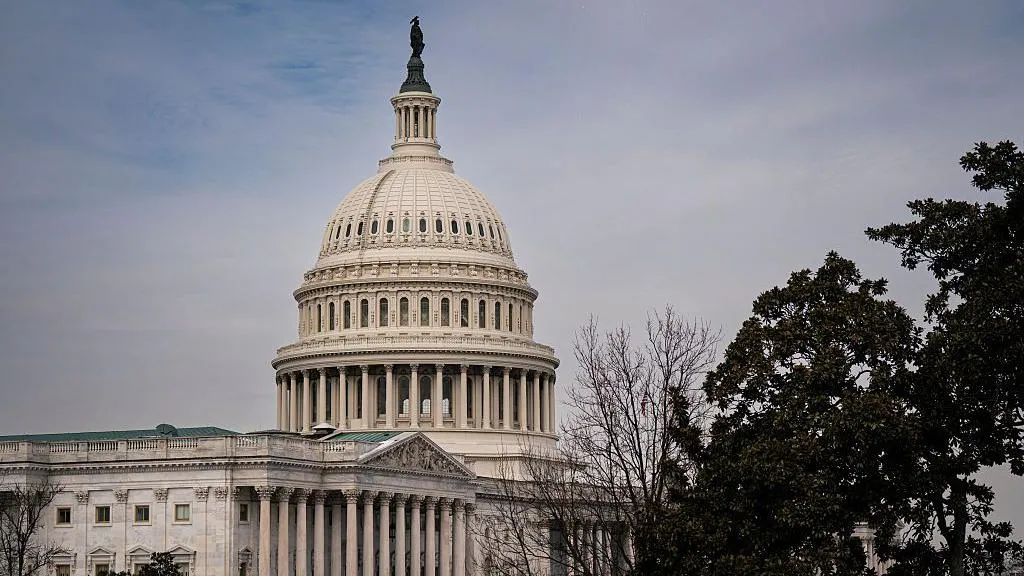
- The Eternal U.S. Question: The U.S. embargo remains the dominant external constraint. Any significant economic recovery is almost impossible under its full weight. Future U.S. policy—whether towards further tightening or a renewed détente—will be a decisive factor in Cuba’s transition.
Cuba is thus navigating a multipolar world, trying to leverage old friendships and build new ones, all while its core economic vulnerability limits its bargaining power.
Scenarios for the Future: Evolution, Rupture, or Stagnation?
Predicting Cuba’s path is fraught, but several potential scenarios emerge from the current turbulence.
The most likely path is a protracted and messy evolution, not a sudden revolution. The Communist Party will likely seek to manage change, ceding economic ground incrementally to the private sector and foreign capital while maintaining strict political control—a model akin to Vietnam or China. Success depends on the pace of reform matching the speed of the economic decline and public patience.
A more disruptive scenario involves systemic rupture. If the economic collapse deepens and another wave of massive, sustained protests erupts, the state’s security apparatus could be overwhelmed, potentially leading to a chaotic and unpredictable political breakdown. The mass migration is already a safety valve, but also a drain of the island’s human capital.
The worst-case scenario is simply continued stagnation: a failure to implement meaningful reforms, leading to a slow-burn societal decay where the state maintains power through coercion over an increasingly impoverished, disillusioned, and shrinking population.
Conclusion: A Nation Forging Its Own Path, For Better or Worse
Cuba’s post-communist future is being written in real-time, shaped by the tension between a resilient political system and an unsustainable economic reality. There is no clear blueprint. The island must find a way to integrate into the global economy on new terms, address the aspirations of its people, and redefine its national identity—all while safeguarding its sovereignty.
The challenges are unprecedented. The outcome will depend on the choices made by a guarded leadership in Havana, the resilience and demands of the Cuban people, and the often-hostile policies of its powerful northern neighbor. One thing is certain: the Cuba that emerges from this transition will be profoundly different from the one that has captivated and confounded the world for generations. Its journey through this fog of uncertainty will be one of the most compelling and consequential stories in the hemisphere for years to come.