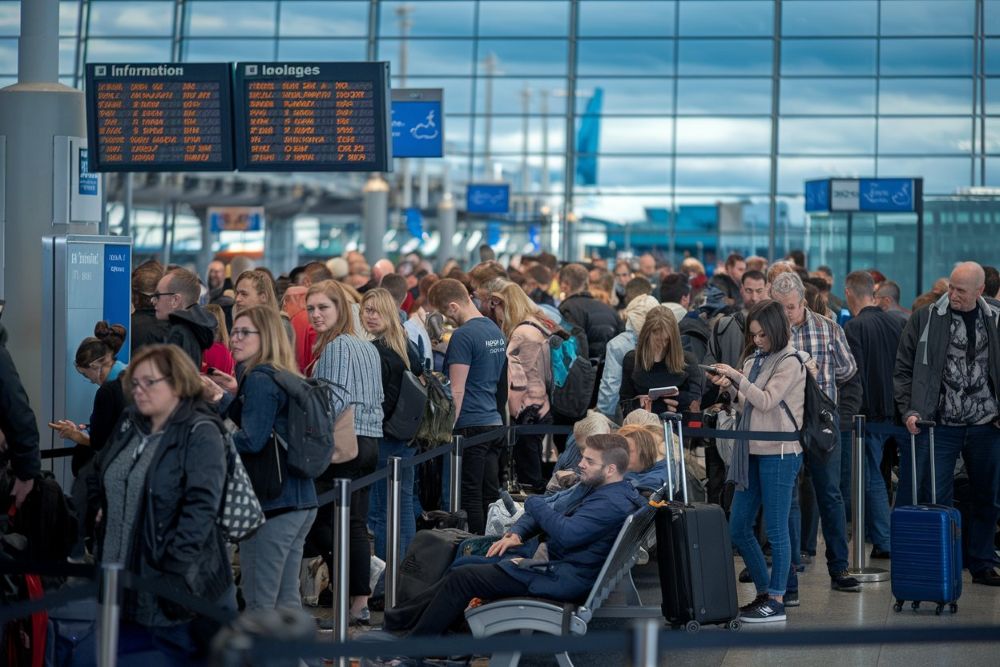
A cascade of flight cancellations by three major airlines has left passengers stranded across Canada, from remote northern communities to the country’s second-largest city. The disruption, impacting Air Inuit, Air Canada, and WestJet, has severed critical air links between Quebec’s Nunavik region and southern hubs, creating a logistical nightmare for travelers and highlighting the fragility of air service to isolated communities.
The situation underscores a growing concern over airline reliability and passenger rights, especially for those dependent on air travel for essential medical appointments, family connections, and work.
Widespread Disruptions Ground Key Regional Routes
The travel chaos began with a series of cancellations affecting at least eight flights on a single day. The impacted routes are vital lifelines, connecting the communities of Kangiqsujuaq, Quaqtaq, and Kuujjuaq in northern Quebec to the transport hub of Montreal.
Air Inuit, the regional carrier serving Nunavik, was forced to cancel multiple flights. This had an immediate domino effect on the operations of major national carriers. Both Air Canada and WestJet, which rely on interline agreements with Air Inuit to feed passengers from the north into their broader networks, subsequently canceled their own connecting flights from Montreal to points across Canada and beyond.
Passengers who began their journeys in the far north found themselves unable to proceed beyond Montreal, while those expecting to travel north from the city were left grounded. The result was a perfect storm of stranded travelers at both ends of the route.
The Human Impact: Stranded Far From Home
For residents of Nunavik, where there are no roads connecting to southern Canada, air travel is not a luxury but an absolute necessity. The cancellations have had severe real-world consequences:
- Medical patients and companions traveling for scheduled specialist appointments in Montreal or other southern cities have missed crucial healthcare.
- Families, including children and elders, have been stuck in unfamiliar airports for extended periods, often without clear information or adequate support.
- Essential workers and business travelers have been unable to reach their destinations, causing professional and economic ripple effects.
- The financial burden is significant, with many forced to pay for unexpected hotel stays, meals, and alternative travel arrangements out of pocket, hoping for eventual reimbursement.
The emotional and physical stress of the situation is compounded by the often-limited resources available in small northern airports and the high cost of last-minute solutions in the remote region.
Unraveling the Causes: Why Did So Many Flights Cancel?
While airlines routinely cite “operational issues” as the reason for cancellations, a cluster of simultaneous disruptions across multiple carriers points to broader systemic challenges. The primary cause appears to have originated with Air Inuit’s operational difficulties.
Potential factors specific to northern aviation include:
- Severe Weather: The Arctic and subarctic regions are prone to rapidly changing conditions, including fog, high winds, and whiteouts, which can make flying unsafe.
- Aircraft Availability: Regional airlines often operate with smaller fleets. A single mechanical issue with a key aircraft can cripple the entire day’s schedule, as there are no spare planes readily available.
- Crew Logistics: Pilots and flight crews are based in specific locations. A disruption can strand crew out of position, making subsequent flights impossible to staff according to strict safety regulations.
The interline agreements between Air Inuit and the larger carriers mean that a cancellation on one end automatically invalidates the connecting ticket on the other, as the passenger cannot complete the full journey. This technicality is little comfort to someone stuck in an airport lounge.
Passenger Rights and the Struggle for Compensation
The event has thrust Canada’s Air Passenger Protection Regulations (APPR) back into the spotlight. Passengers are now navigating the complex process of seeking compensation and assistance, with outcomes heavily dependent on the determined cause of the cancellation.
Key considerations for affected travelers include:
- If the cancellation was due to safety-related issues or weather (considered outside the airline’s control), the airline’s obligation is primarily to rebook the passenger on the next available flight at no extra cost. Standard compensation may not apply.
- If the cancellation was due to issues within the airline’s control (e.g., routine maintenance, crew scheduling errors), passengers are entitled to higher levels of care, including compensation of up to $1,000, depending on the delay length.
- Airlines are required to provide timely communication, alternate travel arrangements, and necessities like food, drink, and accommodation during overnight delays, regardless of the cause.
The burden of proof often falls on passengers to track expenses and file formal claims, a daunting task amidst travel disruption.
Broader Implications for Northern Connectivity and Airline Accountability
This incident is more than a single day of travel woes; it exposes critical vulnerabilities in Canada’s transportation framework.
For Northern Communities: It reinforces the precarious nature of their connection to the rest of the country. Reliable air service is a matter of equity and essential service delivery. There are calls for greater investment in robust, redundant regional aviation infrastructure to improve resilience.
For the Aviation Industry: It tests public trust and highlights the risks of highly integrated networks. When one link fails, the entire chain can break. Airlines are under pressure to improve contingency planning and customer communication during widespread disruptions.
For Regulators: Events like this prompt scrutiny of whether the current APPR is strong enough to protect passengers on complex, multi-carrier itineraries, particularly those originating in remote regions.
Moving Forward: Lessons from a System Failure
As airlines work to re-accommodate the last of the stranded passengers and process compensation claims, the travel chaos serves as a stark lesson. For travelers, especially those heading to or from remote destinations, the advice is clear:
- Purchase comprehensive travel insurance that covers trip interruption.
- Allow for multiple days of buffer when traveling for critical events like medical procedures or major family gatherings.
- Understand your rights under the APPR and be prepared to document everything—cancellation notices, communication with airline staff, and all unexpected expenses.
For the airlines and government, the path forward must involve a collaborative review of how to harden these essential air links against disruption. The goal must be a system where the citizens of Kangiqsujuaq, Quaqtaq, and Kuujjuaq can have the same confidence in their travel plans as those in Toronto or Vancouver. Until then, the specter of being stranded will remain an unacceptable risk of life in the North.