
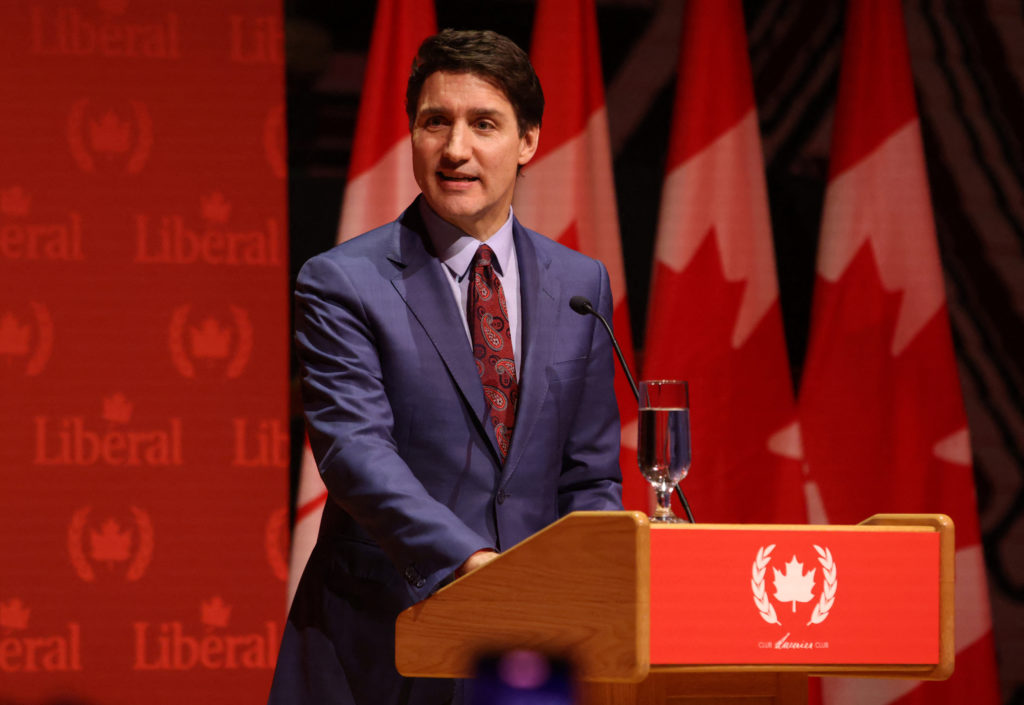
Canadian Political Landscape Shifts Following Key Official’s Resignation
Ottawa’s political corridors are buzzing with surprise, speculation, and strategic recalibration. The unexpected resignation of a pivotal government figure—signaled with an informal “smell ya later”—has sent shockwaves through Canada’s political foundation. This is more than a routine change of guard; it’s a catalyst event poised to redefine policy trajectories, party dynamics, and the nation’s strategic direction for years. First reported in Politico’s Canada Playbook, this departure has become the central axis of political discourse in the country.
Unpacking the Resignation: A Power Vacuum in Ottawa
Though casually phrased, the announcement has serious implications. In federal politics, such exits are rarely simple; they usually stem from mounting pressures, ideological clashes, and personal ambition.
While official reasons may cite personal motives or new challenges, insiders suggest a more complex set of causes, including:
- Political pressure from opposition parties and media scrutiny.
- Fundamental disagreements over major policy directions, such as economic strategy, climate action, or foreign affairs.
- The taxing nature of public service, culminating in a personal decision to step away from the spotlight.
The resignation leaves a critical void. The official was a key architect of legislation, primary negotiator with stakeholders, and a central figure in shaping public narratives. Their absence creates immediate operational uncertainty, forcing a rapid reshuffling of cabinet responsibilities and bureaucratic leadership.
Immediate Ripple Effects: Parliament in Flux
The effects of this resignation are wide-reaching, impacting every aspect of the parliamentary ecosystem.
Coalition and Caucus Dynamics: If the official was part of a coalition, their departure tests alliance stability. Partners may push for concessions, while backbench MPs may seize the opportunity to influence party direction. Maintaining unity becomes a leadership priority.
Legislative Gridlock and Priority Shuffle: The government’s legislative agenda faces disruption. Bills under the official’s purview may be stalled, amended, or shelved, giving opposition parties an opening to question the government’s competence.
Rise of New Contenders: Politics abhors a vacuum. The resignation has triggered a behind-the-scenes race to appoint a successor:
- Established ministers vie for larger portfolios.
- Rising stars aim to leap into senior roles.
- Internal competition may divert focus from governance as factions form.
Long-Term Consequences for Policy and National Direction
Beyond immediate parliamentary maneuvering, this resignation could pivot Canada’s policy trajectory. The successor will bring new priorities that may alter Canada’s course on key issues:
- Economic and Fiscal Policy: Will the government continue deficit spending, or adopt fiscal restraint? Budget planning and major projects may shift.
- Climate and Energy: Leadership changes can affect the pace of green transition, support for traditional energy sectors, and carbon pricing structures.
- Foreign Affairs and Defense: A change in key roles can influence Canada’s international posture, alliances, and credibility.
Public Perception and the Road to the Next Election
Public opinion will shape the political aftermath.
Testing Voter Confidence: The governing party will frame the resignation as natural transition, while opposition parties may portray it as evidence of instability. Which narrative prevails will influence political fortunes.
Altering the Electoral Chessboard: This resignation changes the dynamics of the next federal election. The official’s riding may become a new battleground and opposition leaders gain a fresh line of attack.
A Defining Moment for Canadian Governance
Though the departing “smell ya later” suggests levity, the ramifications are serious. This resignation underscores the human element at the core of political power. Institutions depend on the people within them, and removing a key pillar requires adjustment.
Canada is at a turning point. New leaders will emerge, alliances may fracture, and policies may evolve. Ottawa’s political landscape has not just shifted—it has fundamentally changed. Decisions made in the wake of this departure will echo through Parliament and impact Canadians for years to come.
Stay informed on the latest developments in Ottawa and their impact on national policy. Follow our blog for continuous analysis and expert commentary as this story evolves.

