
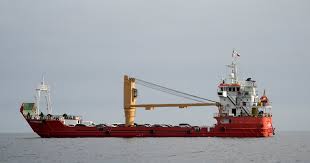
U.S. Threatens Naval Blockade of Iran After Failed Ceasefire
In a dramatic escalation of tensions in the Middle East, the United States has issued a stark warning to Tehran: comply with international demands or face a comprehensive naval blockade of its key ports. This unprecedented threat comes directly on the heels of the collapse of sensitive ceasefire negotiations, signaling a potential pivot from diplomatic pressure to overt military coercion. The move, announced by U.S. military officials, underscores the Biden administration’s growing frustration with Iran’s regional activities and its nuclear program, setting the stage for a dangerous new chapter in the decades-long standoff.
The Breaking Point: Ceasefire Talks Collapse
The path to this brink was paved by the failure of internationally-mediated talks aimed at de-escalating proxy conflicts across the Middle East. For months, behind-the-scenes diplomacy sought to establish a framework for a temporary ceasefire, particularly focusing on Iran-backed militia activities in Iraq, Syria, and the ongoing threats to maritime security in the Red Sea and Gulf of Aden.
However, sources close to the negotiations indicate that talks reached an impasse over core issues. The U.S. and its allies demanded verifiable commitments from Iran to halt weapons shipments to its proxies and cease attacks on international shipping lanes. Tehran, conversely, insisted that any ceasefire must be part of a broader package that includes guarantees against U.S. or Israeli military action and the lifting of key economic sanctions. With neither side willing to budge, the dialogue collapsed, leaving a vacuum quickly filled by threats of force.
The U.S. Ultimatum: A Naval Blockade Explained
The U.S. military’s warning is not a vague threat but a specific and severe course of action. A naval blockade, under international law, is an act of war. It involves positioning warships at the entrance to a nation’s ports and strategic waterways to prevent all vessels, or specific cargo, from entering or leaving.
In Iran’s case, the blockade would likely target its most vital economic lifelines:
- The Strait of Hormuz: The world’s most critical oil transit chokepoint, through which a significant portion of Iran’s oil exports flow.
- Major Commercial Ports: Including Bandar Abbas on the Persian Gulf and Chabahar on the Gulf of Oman, crucial for both imports and non-oil exports.
- Key Oil Terminals: Such as Kharg Island, the country’s primary crude oil export terminal.
The objective is clear: to impose crippling economic pain by severing Iran’s access to global trade, effectively weaponizing its geography to force political concessions.
Legal and Strategic Precedents
While the U.S. has conducted embargoes and interdiction operations before, a formal, publicly declared blockade of a sovereign nation’s ports is a rare and extreme measure in modern statecraft. It evokes historical precedents like the Cuban Missile Crisis blockade. Pentagon officials argue they have sufficient legal justification based on United Nations Security Council resolutions targeting Iran’s ballistic missile program and the need to uphold “freedom of navigation” in the face of Iranian-backed Houthi attacks in the Red Sea. Critics, however, warn that without a UN mandate specifically authorizing a blockade, the action would be a clear violation of international law and a trigger for wider conflict.
Iran’s Probable Response and Regional Fallout
Iran has long stated that any attack on its territory or vital interests would be met with severe retaliation. A naval blockade would almost certainly be viewed as such an attack. Military and security analysts predict a multi-pronged response designed to inflict maximum cost on the U.S. and its allies:
- Asymmetric Naval Warfare: Iran could leverage its fleet of fast attack boats, submarines, and extensive stockpile of naval mines to harass U.S. warships, threaten commercial traffic in the Strait of Hormuz, and potentially attempt to close the waterway entirely.
- Proxy Escalation: Direct orders could be given to allied militias in Iraq, Syria, Lebanon, and Yemen to launch intensified rocket, drone, and missile attacks on U.S. bases, allied nations, and international shipping.
- Strategic Strikes: Iran could resume rapid advancements in its uranium enrichment program, potentially moving swiftly toward weapons-grade levels, and test longer-range ballistic missiles as a show of defiance.
The regional implications are dire. Global oil prices would skyrocket, triggering economic shockwaves worldwide. U.S. forces throughout the region would be on high alert, and the risk of a miscalculation leading to a full-scale war would be higher than at any point in recent years.
The Global Reaction and Diplomatic Crossroads
The U.S. threat has sent shockwaves through global capitals. European allies, while deeply concerned about Iran’s behavior, are likely to be apprehensive about a unilateral blockade, fearing it will destroy any remaining hope for diplomacy and destabilize the global economy. China and Russia have already condemned the warning as “dangerous brinkmanship” and are expected to provide Iran with political, and possibly material, support in defiance of the blockade.
This moment represents a critical diplomatic crossroads. The blockade threat can be seen as the ultimate pressure tactic, designed to bring Iran back to the negotiating table on Washington’s terms. However, it is a high-risk gambit. The line between coercive diplomacy and the outbreak of open conflict is perilously thin. The coming days will reveal whether Tehran perceives the threat as credible enough to warrant a strategic retreat or as a bluff to be called, potentially igniting a fire in one of the world’s most volatile regions.
A World Watching and Waiting
As U.S. naval assets reposition in the Persian Gulf and the Arabian Sea, the international community holds its breath. The threat of a blockade marks a definitive shift in the U.S.-Iran confrontation, moving the chess pieces into a position where the next move could lead to checkmate or catastrophic war. The failure of ceasefire talks has not brought peace; it has ushered in a period of unprecedented military threat, where the stakes for global security, energy markets, and regional stability have never been higher. The world is now watching, waiting to see if diplomacy can rise from the ashes, or if the tense waters of the Gulf will become the next theater of war.

