Canada’s Carney Secures Majority Government in Historic Special Election
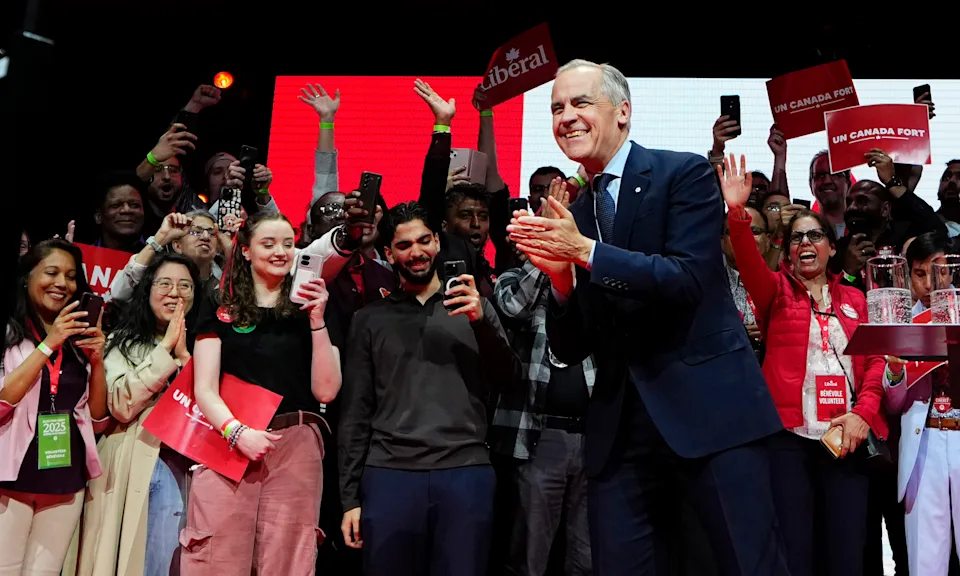
In a stunning political realignment that has sent shockwaves across the nation, Mark Carney, the former Governor of the Bank of Canada and the Bank of England, has led his newly formed Progressive Unity Party to a decisive majority victory in a historic federal snap election. This unprecedented result marks a dramatic shift in Canadian politics, ending years of minority governments and placing a globally respected economist at the country’s helm during a time of profound economic uncertainty.
A Political Earthquake: From Central Banker to Prime Minister-Elect
The call for a special election came amidst a perfect storm of political paralysis and public frustration. With the previous minority government unable to pass critical legislation on inflation, housing, and climate policy, and facing plummeting approval ratings, the Governor General dissolved Parliament, setting the stage for a rare and pivotal vote.
Enter Mark Carney. After months of speculation, the technocrat, who had never before held elected office, announced the formation of the Progressive Unity Party (PUP). Campaigning on a platform of “Expertise, Stability, and Forward Vision,” Carney managed to transcend traditional partisan lines, attracting disaffected voters from across the political spectrum.
The Winning Coalition: Who Voted for Change?
Carney’s victory was not built on a single demographic or region but on a broad, pan-Canadian coalition. Key to his success were:
- Urban and Suburban Professionals: Drawn to his economic credentials and data-driven policy proposals.
- Younger Voters: Energized by his ambitious climate action plan and focus on intergenerational equity.
- Moderate Centrists: From both former Liberal and Conservative camps, weary of partisan warfare and seeking stable governance.
- The Business Community: Who viewed his international stature and financial acumen as a major asset for attracting investment.
This diverse support base propelled the PUP to win over 190 seats, securing a strong working majority in the House of Commons and consigning the traditional parties to a diminished opposition role.
Decoding the Victory: Key Factors Behind the Landslide
Several critical elements converged to create this electoral earthquake, reshaping the political landscape in a single night.
The Credibility Factor: In an era of deep distrust in institutions, Carney’s reputation as a steady, apolitical hand during the 2008 financial crisis and the Brexit negotiations proved to be an invaluable asset. Voters saw him as a leader who could navigate complex global crises.
A Campaign of Substance: Breaking from the norm of attack ads and soundbites, the PUP campaign was notably policy-heavy. They released detailed frameworks on:
- A “Green Prosperity” fund to spur private investment in the net-zero transition.
- A “Housing Compact” linking federal infrastructure dollars to municipal zoning reform.
- A “Productivity and Innovation Council” aimed at reversing Canada’s long-standing business investment slump.
Strategic Digital Outreach: The campaign mastered digital mobilization, using targeted messaging to speak directly to the specific concerns of different voter blocs, from healthcare workers to energy sector employees, with tailored versions of the core platform.
Immediate Challenges and the Road Ahead for Prime Minister Carney
The celebratory confetti has barely settled, but the monumental task of governing now begins. Carney will face immediate and severe tests that will define his premiership from day one.
The Economic Trilemma: Inflation, Growth, and Debt
Canada, like its peers, is grappling with high inflation, fears of a recession, and record levels of household and government debt. Carney’s first 100 days will be scrutinized for his approach to this trilemma. Markets will watch closely to see if he advocates for continued fiscal restraint to help the Bank of Canada’s inflation fight or pivots toward stimulus to avert an economic downturn.
Healing a Fractured Nation
While the election produced a clear parliamentary majority, the country remains deeply divided along regional and cultural lines. Alienation in the resource-rich West and concerns over national unity in Quebec are persistent issues. Carney’s promise of unity will be challenged as he makes difficult decisions that will inevitably favor some regions over others, particularly in energy and environmental policy.
From Platform to Law: The Legislative Agenda
Translating campaign white papers into passed legislation is a Herculean task. The new government’s first throne speech is expected to be ambitious, likely featuring:
- The Canadian Green Bond Initiative: To fund climate infrastructure.
- The First-Time Home Buyer Savings Account: A tax-advantaged program to accelerate down payment savings.
- Reform of the Competition Bureau: To increase competition in key sectors like telecom and groceries.
Carney will need to manage a sprawling public service, build a competent cabinet from a caucus with little governing experience, and establish productive, if tense, relationships with powerful provincial premiers.
A New Era for Canada and its Global Standing
Internationally, a Carney-led Canada is poised for a significant repositioning. His deep connections in global financial circles, at the UN, and within climate diplomacy networks will immediately elevate Canada’s voice on the world stage.
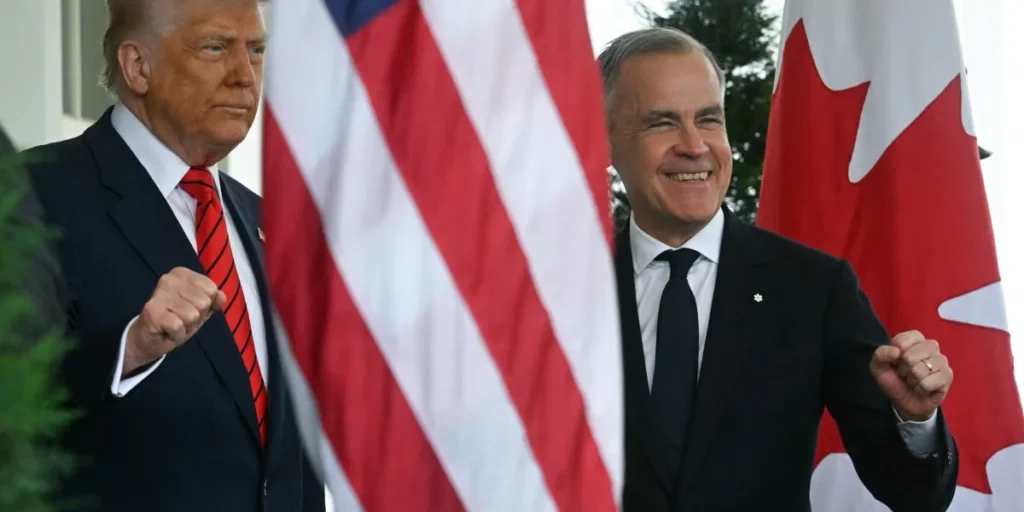
Strengthened Trans-Atlantic Ties: His relationships in European capitals and Washington will be leveraged to deepen trade and security cooperation, potentially fast-tracking deals on critical minerals and clean energy.
Climate Leadership: Canada is expected to move from a middling performer to a potential leader in international climate finance and policy, with Carney’s experience as UN Special Envoy for Climate Action being a central focus.
However, this globalist profile may also attract criticism at home from those who favor a more inwardly focused, nationalist approach, setting up another potential domestic fault line.
Conclusion: A Historic Gamble on Expertise
The 2025 special election will be remembered as the moment Canada took a historic gamble. By electing Mark Carney and his Progressive Unity Party with a majority mandate, voters have overwhelmingly chosen a path of technocratic governance over traditional partisan politics. They have bet that in a world of poly-crises—from climate change to economic instability—the skills of a global economist and crisis manager are what the nation needs most.
The promise is immense: a more prosperous, unified, and influential Canada. The perils are equally real: the risk of a government that appears detached from everyday struggles, the difficulty of managing a brand-new political machine, and the soaring expectations of a public desperate for solutions. One thing is certain: Canadian politics will never be the same. The Carney era has begun, and all eyes are now on Ottawa to see if this bold experiment in leadership can deliver.