Transat’s Q1 Results Signal a Strong Turnaround and Boardroom Win
The skies are looking brighter for Air Transat. The Montreal-based leisure airline and tour operator has just delivered a powerful one-two punch, combining robust first-quarter financial results with a decisive victory in a high-stakes boardroom battle. This dual achievement marks a pivotal moment for the company, signaling not just a post-pandemic recovery, but a strategic resurgence built on strong operational execution and renewed investor confidence.
For an airline that navigated the turbulent winds of the pandemic and a complex acquisition attempt, this quarter represents more than just improved numbers—it’s a validation of its standalone strategy and leadership.
A Financial Rebound: Key Numbers from Q1 2024
Transat’s financial report for the first quarter of 2024 (ending January 31) paints a picture of a company accelerating its comeback. The results showcase significant year-over-year growth, driven by sustained demand for sun destinations and improved operational efficiency.
Here are the standout figures that define Transat’s current momentum:
- Record Q1 Revenue: Transat generated $785.5 million in revenue, a substantial 18% increase compared to the same period last year. This surge underscores the strong appetite for leisure travel and Transat’s effective capacity deployment.
- Sharply Improved Profitability: The company reported an adjusted operating income of $2.7 million. This is a dramatic swing from an adjusted operating loss of $700,000 in Q1 2023, demonstrating a firm grip on cost management and pricing power.
- Soaring Passenger Numbers: Transat carried over 1.3 million passengers in the quarter, a 14% year-over-year increase. This volume growth is the engine behind its revenue climb.
- Strong Capacity and Load Factors: The airline increased its available seat miles (ASMs) by 12% and achieved a healthy load factor of 88.6%, indicating planes were full and efficiently utilized.
These numbers are not accidental. They are the result of a focused strategy on its core markets—Canada to sun destinations in the South, the Caribbean, Mexico, and Europe—and a disciplined approach to its fleet and network planning.
The Boardroom Battle: Securing a Strategic Future
Parallel to its financial success, Transat solidified its future direction by winning a critical proxy fight. A group of dissident shareholders, led by investment manager Callisto Capital, sought to replace several members of Transat’s board of directors. Their campaign argued for a shift in strategy, potentially opening the door to mergers or asset sales.
However, at the company’s annual meeting, shareholders delivered a strong vote of confidence in the current leadership team and board, led by CEO Annick Guérard. All management-nominated directors were re-elected by a significant margin.
What This Victory Means for Transat
This boardroom victory is arguably as important as the positive financial results. It provides crucial stability and a clear mandate.
- Endorsement of the Standalone Plan: Shareholders effectively endorsed the management’s multi-year transformation plan, which focuses on debt reduction, operational excellence, and sustainable profitability without relying on a merger.
- Leadership Stability: With the challenge defeated, CEO Annick Guérard and her team can execute their long-term strategy without distraction, ensuring continuity and focus.
- Clarity for Partners and Customers: The resolution removes uncertainty about the company’s ownership or strategic direction, allowing Transat to negotiate confidently with suppliers, partners, and travel agents.
The dual message is clear: the financial performance is working, and the team in charge has the shareholder support to see it through.
Pillars of the Turnaround Strategy
Transat’s recovery is built on several key strategic pillars that are now bearing fruit. Understanding these helps explain how the company is turning the corner.
1. Fleet Simplification and Modernization
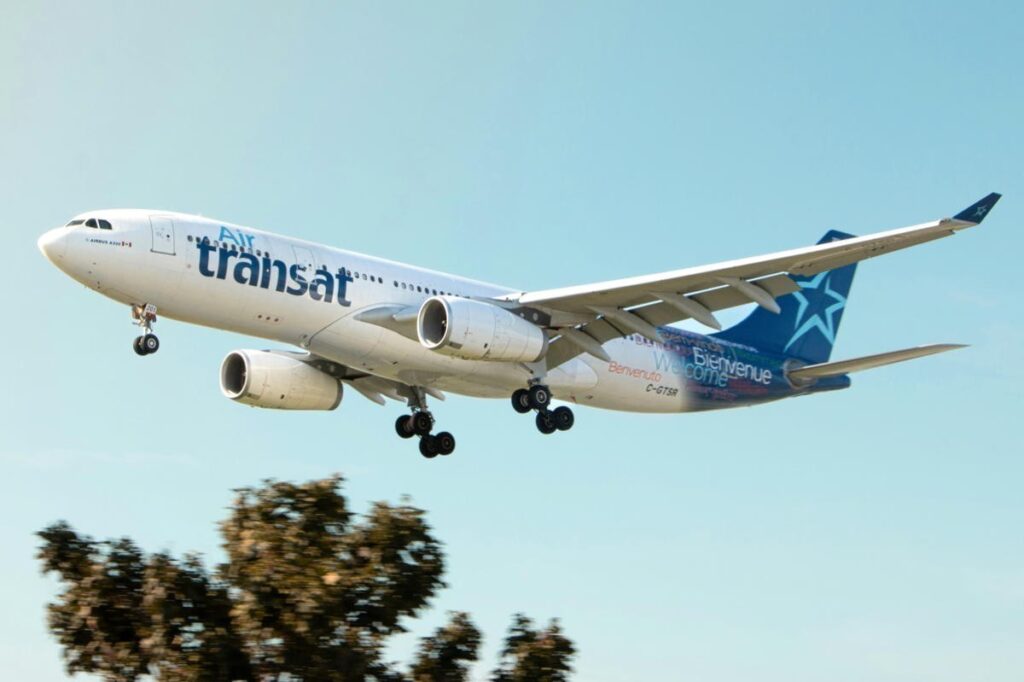
Transat has made tough but necessary decisions to streamline its fleet, primarily operating Airbus A321neo Long Range (LR) and Airbus A330 aircraft. The A321neo LR is a game-changer for the airline—it’s far more fuel-efficient than older models, reducing costs and environmental impact. This modernization allows Transat to serve thinner, longer routes profitably and with greater flexibility.
2. Network Optimization and Seasonality Management
The airline has become adept at shifting its capacity to match seasonal demand. During the winter peak, it maximizes flights to sun destinations from its Canadian hubs. In the summer, it pivots strength to transatlantic routes to Europe. This agile approach maximizes aircraft usage and revenue potential year-round.
3. Strengthening the Balance Sheet
A major focus since the pandemic has been reducing the company’s debt burden. Improved profitability directly fuels this effort. A stronger balance sheet provides a buffer against economic headwinds and creates the financial flexibility needed for future investments.
4. Enhancing the Customer Proposition
Transat has invested in improving the customer experience, from its Club Class premium offering to its partnerships with hotels and resort providers. By offering compelling, all-inclusive vacation packages and a reliable flight product, it strengthens its brand in a competitive leisure market.
Looking Ahead: Challenges and Opportunities
While the Q1 report and board victory are cause for optimism, the path forward is not without its challenges. The airline industry faces persistent pressures like volatile fuel prices, intense competition, and potential economic softening. However, Transat’s current position offers several opportunities.
The company is well-placed to capitalize on the enduring strength of leisure travel. Consumers continue to prioritize experiences, and Transat’s core business is perfectly aligned with this trend. Furthermore, its modernized fleet positions it well to manage cost pressures and meet evolving sustainability expectations from travelers and regulators.
The stability afforded by the shareholder vote allows management to plan for the long term, potentially exploring new destination markets or further commercial partnerships now that its foundation is more secure.
Conclusion: A New Chapter for Air Transat
Air Transat’s first quarter of 2024 will be remembered as a defining period. By coupling strong financial results with a decisive governance win, the company has silenced doubters and charted a clear course for independence and growth.
The numbers prove the operational strategy is effective, and the shareholder vote confirms there is faith in the team executing it. For travelers, this means a more stable and competitive airline option for their vacation plans. For the industry, it reaffirms that focused, well-run leisure carriers have a vibrant place in the aviation ecosystem.
Transat is not just recovering from the past; it is building momentum for the future. With a modern fleet, a optimized network, and a solidified leadership, the airline is demonstrating that its vision for a profitable, standalone future is not just a plan—it’s a reality in the making. The turnaround is officially underway.