
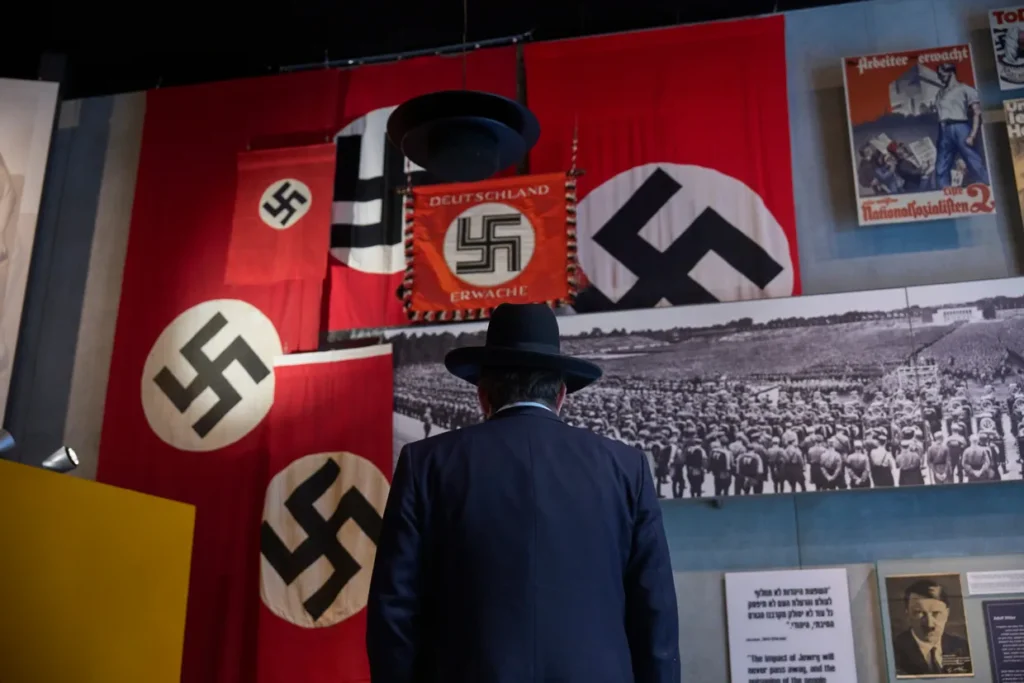
Commemorating Holocaust Remembrance Day: Poland and Israel in Solemn Reflection
Across the globe, nations pause to remember one of history’s darkest chapters. Holocaust Remembrance Day, known as Yom HaShoah, stands as a solemn testament to the six million Jewish lives extinguished and the profound suffering endured during the Nazi regime’s systematic genocide. This year, the commemorations in two nations intrinsically linked to the Holocaust’s history—Poland, the site of unimaginable tragedy, and Israel, the homeland born from its ashes—offered powerful, parallel reflections on memory, loss, and resilience.
Warsaw’s Silent March: Retracing the Steps of Despair
In Poland, the heart of the commemorations was the March of the Living. This annual event, traditionally held on the grounds of the Auschwitz-Birkenau death camp, saw thousands of participants walk the three kilometers between the camp’s two parts. This path, once trodden by those condemned to die, was walked in silent reverence by survivors, their descendants, and international youth groups.
The imagery from Warsaw was particularly poignant. Citizens and leaders gathered at the Monument to the Ghetto Heroes, the epicenter of the 1943 Warsaw Ghetto Uprising. Here, the act of remembrance was visceral:
- Laying of Wreaths and Yellow Daffodils: A sea of yellow paper daffodils, symbolizing remembrance and the resilience of memory, adorned lapels and the monument’s base. This tradition, inspired by the last leader of the uprising, Marek Edelman, who received a daffodil from an anonymous person each year, transforms the city into a living memorial.
- Voices of the Past: The names of Holocaust victims were read aloud in public squares, a haunting recitation that personalizes the staggering statistics and echoes the “Every Person Has a Name” ceremonies held in Israel.
- Educational Vigilance: Polish institutions emphasized the day’s role in education, underscoring the commitment to ensuring new generations understand the horrors that unfolded on their soil to combat rising antisemitism and historical distortion.
A Nation Confronting Its Landscape of Memory
For Poland, Holocaust Remembrance Day is an act of confronting a landscape saturated with memory. From the preserved barracks of Auschwitz to the hidden markers of former ghettos in city centers, the past is inescapable. The ceremonies serve as a national reckoning—a promise to guard the truth of what happened and to honor the millions, including three million Polish Jews, who were murdered.
Israel Comes to a Standstill: The Sound of National Sorrow
As the sun set in Israel, a different but equally powerful ritual unfolded. At 10:00 AM local time, a piercing two-minute siren brought the entire country to a complete standstill. This moment of unified silence is one of the most profound public displays of collective memory in the world.
The scenes captured across Israel are starkly moving:
- Highways Frozen in Time: Drivers stopped their cars, exited their vehicles, and stood in silent tribute on the roadsides.
- A Nation Pauses: Pedestrians halted in their tracks, office workers stood by their desks, and schoolchildren paused their lessons, all united in a shared moment of reverence.
- Ceremonies of Name and Flame: Following the siren, official state ceremonies at Yad Vashem, the World Holocaust Remembrance Center in Jerusalem, featured the lighting of six torches by survivors, each representing one million murdered Jews. The “Every Person Has a Name” recitation continued, ensuring individual stories are not lost within the vastness of the tragedy.
The Legacy of Survival and Continuity
In Israel, Yom HaShoah is intrinsically linked to the narrative of survival and the founding of the modern state. It is a day of mourning, but also a day that underscores the imperative of “Never Again” and the resilience of the Jewish people. The ceremonies highlight not only the loss but also the incredible strength of survivors who rebuilt lives and contributed to building a nation. The transition from Yom HaShoah to Israel’s Independence Day a week later is a deliberate, powerful journey from the depths of catastrophe to the hope of sovereignty.
Parallel Reflections, Unified Purpose
While the expressions of remembrance differ between Poland and Israel—one a march on the ground of atrocity, the other a nationwide siren of solidarity—their purpose converges. Both nations engage in acts of memory that are public, participatory, and deeply emotional. They serve as critical counterforces to the passage of time and the alarming rise of Holocaust denial and antisemitism globally.
The photographs from both countries tell a unified story: of elderly survivors, their faces maps of history, standing with the young; of leaders bowing their heads; and of ordinary citizens participating in a civic duty of memory. These images are a powerful reminder that the Holocaust is not a distant historical event but a living memory with direct implications for our present.
The Unwavering Call to Remember
As the world marks Holocaust Remembrance Day, the commemorations in Poland and Israel stand as pillars of this global duty. They remind us that remembrance is not passive. It requires active participation, education, and a steadfast commitment to human dignity. In a world where hatred and prejudice persist, the silent marches in Poland and the echoing sirens in Israel are a profound, necessary call to remember the past and vigilantly protect the future.
The legacy of the Holocaust compels us not just to look back in sorrow, but to look around with responsibility. The solemn reflections in Warsaw and Jerusalem are a testament to the enduring promise made to the victims: that their stories will be told, their names will be spoken, and the lessons of this darkest chapter will guide humanity toward light.

