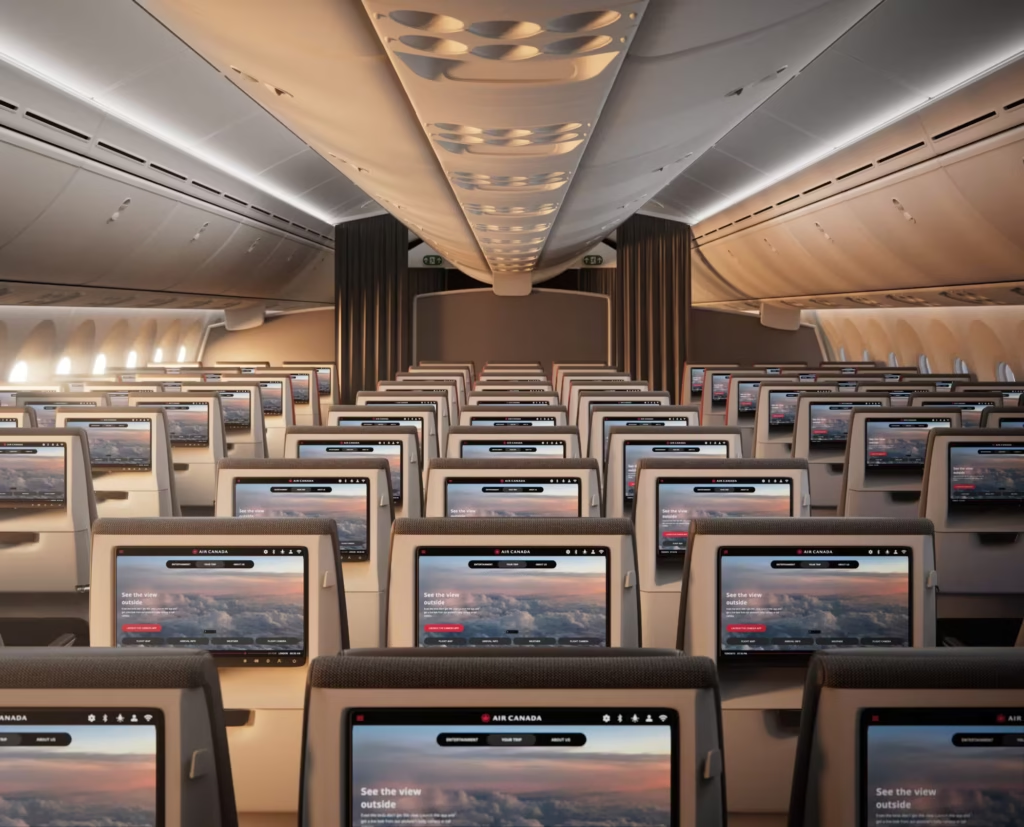
Air Canada’s New Maple-Inspired Cabins Target Surging Corporate Travel
As corporate travel across the North Atlantic surges past pre-pandemic levels, airlines are in a fierce competition to win the loyalty of high-value business passengers. In a strategic move to capture this lucrative market, Air Canada has unveiled a comprehensive new cabin concept, a multi-million dollar investment that blends distinctly Canadian design with cutting-edge technology. This initiative arrives at a pivotal moment, with the airline reporting a over thirty percent increase in North Atlantic corporate travel, signaling a robust recovery and a shift in premium travel expectations.
The new cabin experience, dubbed the “Air Canada Signature Suite,” is more than a simple refresh; it’s a statement of intent. It aims to transform the long-haul journey into a seamless, comfortable, and uniquely Canadian experience from gate to gate, directly addressing the demands of the returning corporate traveler who prioritizes productivity, well-being, and efficiency.
A Design Philosophy Rooted in Canadian Identity
Stepping away from generic, globalized aesthetics, Air Canada’s new cabin interior draws direct inspiration from Canada’s natural landscapes and cultural symbols. The design narrative is a sophisticated ode to the nation, creating a serene and familiar environment for domestic travelers and an intriguing, warm introduction for international guests.
The Maple Leaf Takes Center Stage
The most prominent motif is the iconic maple leaf, but presented with subtlety and elegance. It’s found not as a blatant logo, but woven into the texture of bulkheads, embossed on premium amenity kits, and reflected in the soft, ambient lighting that cycles through hues of crimson, gold, and amber—echoing a Canadian autumn. The color palette throughout the cabin moves from cool, deep blues and greys reminiscent of glacial lakes and rocky coastlines to warm wood tones and forest greens, fostering a calming and grounded atmosphere.
Materials have been carefully selected to enhance this narrative. There is an increased use of sustainable, tactile materials like faux suede, textured wool, and real wood veneers, moving beyond standard plastics and metals. This focus on materiality aims to provide a sense of comfort and quality that resonates with travelers seeking a premium, authentic experience.
Technology Upgrades for the Modern Corporate Traveler
Recognizing that the corporate traveler’s time is their most valuable asset, Air Canada has paired its aesthetic overhaul with significant technological advancements. The upgrade is designed to streamline the journey and maximize productivity and entertainment in the air.
Enhanced Connectivity and In-Flight Entertainment
The cornerstone of the tech upgrade is a new, high-speed Wi-Fi system promising improved bandwidth and reliability across the Atlantic. This addresses the primary pain point for business travelers: the need to stay connected for work, communication, and real-time information. Complementing this is a new generation of in-flight entertainment (IFE) systems.
- Larger, High-Resolution Touchscreens: Personal screens are now larger, with 4K resolution and responsive touch controls, reducing lag and improving the user experience.
- Bluetooth Audio Pairing: Passengers can now seamlessly pair their own wireless headphones or earbuds with the IFE system, a long-requested feature that adds convenience and personal comfort.
- Expanded Content Libraries: The media selection has been vastly expanded, including more international films, curated Canadian content, and productivity apps.
Revamped Signature Class and Premium Economy
The most dramatic changes are reserved for the front of the aircraft. The Signature Class (business class) seats have been completely redesigned. While maintaining a direct-aisle-access configuration, they now feature:
- Enhanced privacy screens and redesized suites.
- Wireless charging pads integrated into side consoles and larger personal storage compartments.
- Advanced seat controls with memory settings and a “do not disturb” indicator for uninterrupted rest.
The Premium Economy cabin also receives a substantial upgrade, with new seats offering increased recline, improved legroom, and upgraded dining service, positioning it as a more compelling option for cost-conscious corporate travel policies.
Meeting the Demand of a Surging Market
The timing of this launch is no coincidence. Air Canada’s report of a over 30% jump in North Atlantic corporate travel reflects a broader industry trend. Companies are reinvesting in face-to-face meetings, conferences, and client relationships after years of virtual interaction. However, the corporate traveler of 2024 has evolved. They are more selective, valuing airlines that offer a reliable, comfortable, and efficient experience that minimizes travel fatigue and maximizes their time on the ground.
Air Canada’s new cabin concept is a direct response to these heightened expectations. By offering a distinctive, nationally-branded service with superior technology, the airline is not just selling a seat; it’s selling a competitive advantage for the traveler. The serene, maple-inspired environment aims to reduce travel stress, while the tech upgrades ensure passengers can work effectively or unwind completely, arriving at their destination ready to perform.
The Ground Experience: A Seamless Journey
The investment extends beyond the aircraft cabin. Air Canada is enhancing the ground experience at key hubs like Toronto Pearson (YYZ) and Vancouver (YVR), with revamped Maple Leaf Lounges that mirror the new aerial design philosophy. These spaces offer premium dining, dedicated workstations, and relaxation areas, creating a cohesive brand experience that begins long before boarding.
A Strategic Investment in the Future
Air Canada’s new cabin rollout represents a significant bet on the long-term growth of premium transatlantic travel. It’s a move to differentiate itself in a crowded field against global giants and Middle Eastern carriers known for their opulence. Instead of competing solely on luxury, Air Canada is competing on authenticity, technological prowess, and holistic well-being.
For the corporate travel manager, this translates to happier, more productive employees. For the traveler, it promises a journey that is less draining and more reflective of the destination they are visiting or returning to. As the new cabins are progressively installed across Air Canada’s wide-body fleet serving Europe and other international destinations, they will serve as a flying ambassador for Canadian design and a powerful tool for capturing the loyalty of the lucrative, and surging, corporate travel market. The message is clear: in the battle for the business traveler, Air Canada is banking on the power of maple and microchips to win the day.