
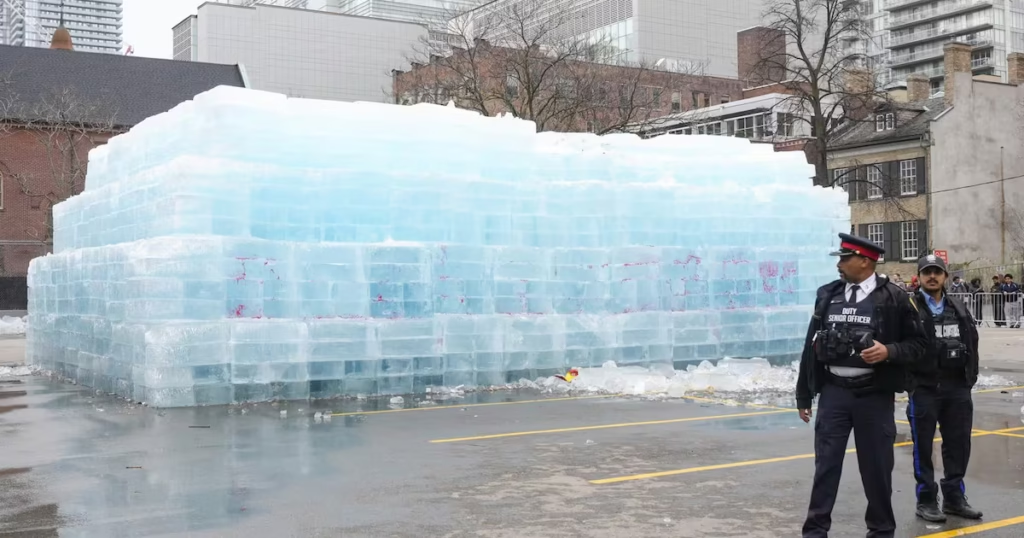
# Toronto’s Tribute Turns to Trouble: Drake’s Ice Sculpture Vandalized by Fans
A wave of excitement for Drake’s latest album release in his hometown quickly froze over into an incident of vandalism and public disappointment. What was meant to be a cool, temporary tribute to the Toronto-born superstar melted into chaos, highlighting a frustrating clash between fan enthusiasm and respect for public art. The event has sparked city-wide conversation about celebrity culture, community spaces, and where the line is drawn for acceptable behavior.
## A Frosty Reception in Yorkville: The Scene of the Crime
In the heart of Toronto’s upscale **Yorkville neighborhood**, a detailed and impressive ice sculpture of Drake was unveiled to commemorate the drop of his new album, *”For All The Dogs.”* Crafted by skilled artisans, these frozen monuments require precise conditions and expert hands, transforming blocks of ice into ephemeral art. For many, it was a perfect photo opportunity—a chance to engage with a piece of celebratory, location-specific fan culture.
The sculpture was more than just a block of ice; it was a commissioned piece of public art, designed to be enjoyed collectively and to create a memorable moment in the city’s cultural landscape. Initially, the scene was one of celebration. Fans gathered, took pictures, and shared the moment on social media, exactly as intended. However, the atmosphere shifted as night fell and crowd dynamics changed.
### From Celebration to Vandalism: How the Event Unfolded
The trouble began when individuals within the crowd escalated from taking selfies to interacting physically with the fragile artwork. Reports and social media videos depict people:
What was a detailed likeness of the rapper quickly became a defaced and crumbling remnant. The rapid deterioration of the piece left onlookers stunned and transformed a festive event into a case study in mob mentality and property damage.
## Law Enforcement Steps In: Police Response to the Mischief
As the situation escalated, the Toronto Police Service received multiple calls from concerned citizens reporting the active vandalism. Officers arrived on the scene in Yorkville to assess the damage and disperse the crowd.
While no arrests were made at the time, police officially documented the incident as an act of mischief. This classification is significant—it underscores that vandalism is a criminal offense, regardless of the target’s temporary nature or celebrity association. Authorities have used this opportunity to remind the public of the legal ramifications of such behavior, which can include fines and potential criminal charges.
The police response highlights an important principle: **public art and installations are protected property**. The fact that the sculpture was ice, and therefore destined to eventually melt, does not negate its value or legal status during its displayed lifespan. This distinction is crucial for maintaining respect for artistic works and communal spaces city-wide.
### The Ripple Effect: Community Impact and Safety Concerns
Beyond the legal definitions, the incident raised practical safety and community issues. The act of climbing on the sculpture created a hazard not only for the vandals but for surrounding bystanders, should the structure have collapsed. Furthermore, it diverted police resources and negatively impacted the experience for fans who wished to appreciate the art respectfully. It turned a positive community event into a negative headline, tainting what should have been a purely celebratory moment for Toronto’s music scene.
## Social Media Erupts: Public Outrage and Disappointment
The digital reaction was swift and severe. As images and videos of the damaged sculpture circulated online, a clear consensus emerged: disappointment and condemnation.
Social media platforms became a courtroom of public opinion, and the verdict was overwhelmingly against the vandals. The conversation expanded beyond Drake fandom, touching on themes of civic pride and the collective responsibility to protect public displays. Many pointed out that such behavior reflects poorly on the entire fanbase and the city’s reputation.
### The Dual Nature of Fandom: Passion vs. Entitlement
This event perfectly illustrates the fine line between passionate engagement and a sense of destructive entitlement. In the age of social media, the drive for a unique personal interaction—a photo on the sculpture, owning a piece of it—can override common sense and communal courtesy. The mentality shifts from “we are all enjoying this together” to “I am going to take my piece of this for myself,” regardless of the consequences for others or the artwork itself.
## A Broader Cultural Problem: When Fan Celebrations Go Too Far
The vandalism of Drake’s ice sculpture is not an isolated incident. It fits a worrying pattern of fan-driven damage associated with celebrity promotions and public art.
This moment forces a dialogue about how communities and organizers can protect public art while still allowing for interactive, engaging fan experiences. It raises questions about security, public messaging, and the cultivation of a culture of respect. Should such installations require more barriers? Is there a way to design fan interactions that satisfy the desire for engagement without inviting destruction?
### The Impermanence of Ice and the Permanence of Actions
There’s a poignant metaphor in the medium itself. Ice is beautiful, captivating, and transient. It is designed to change and eventually disappear. Yet, the actions taken against it are permanent in their own way—captured on video, documented by police, and etched into the community’s memory. The fleeting nature of the sculpture makes the deliberate speed of its destruction all the more senseless and poignant.
## Conclusion: Melting the Ice, But Not the Memory
The destruction of Drake’s Yorkville ice sculpture is a multifaceted event. It was a criminal act of mischief, a failure of collective public respect, and a cultural moment that revealed the darker side of fan excitement. While the ice has long since melted, the discussions about accountability, the value of public art, and responsible fandom should continue.
Toronto, a city that takes immense pride in its arts and culture, was given an opportunity to celebrate a hometown hero. Instead, it received a lesson in how quickly celebration can curdle into chaos. Moving forward, the hope is that the outrage sparked by this incident will foster a greater shared commitment to preserving the integrity of public celebrations, ensuring that future tributes—whether in ice, bronze, or any other medium—are met with the admiration and respect they are created to inspire. The true test will be how the city and its communities respond when the next high-profile installation arrives on the streets.

