
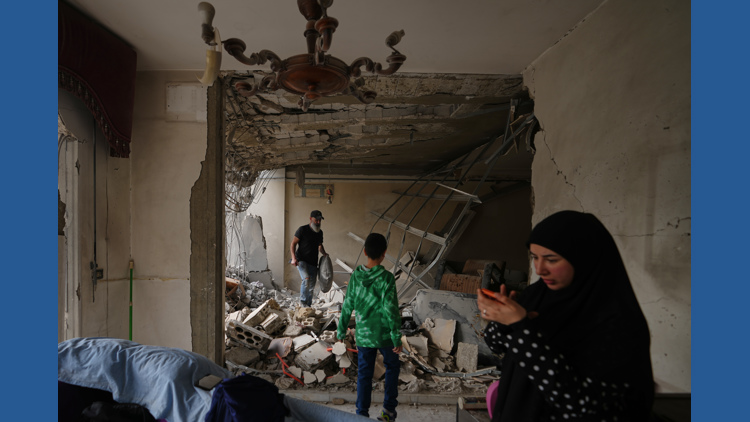
Crude Oil Rally Intensifies Amid Collapse of US-Iran Nuclear Negotiations
Global energy markets are on edge after diplomatic talks between Washington and Tehran collapsed. The breakdown in nuclear negotiations has triggered a sharp rise in crude oil prices, reigniting fears of wider instability in the Middle East.
For consumers and businesses already dealing with inflation, the situation could add further pressure to global economic conditions heading into 2026.
The Stalemate That Shook the Markets
Negotiations aimed at reviving the Joint Comprehensive Plan of Action (JCPOA) have stalled completely, with both sides blaming each other for the failure.
Key sticking points include:
- Uranium enrichment limits: Iran’s insistence on maintaining significant enrichment capacity
- Sanctions relief: Disputes over how quickly economic sanctions should be lifted
- Verification access: Conflicts over inspections by the International Atomic Energy Agency (IAEA)
- Missile program restrictions: U.S. demands to limit Iran’s ballistic missile development
With hopes of a breakthrough fading, traders have reacted quickly.
Brent crude jumped above $92 per barrel, while West Texas Intermediate (WTI) rose past $88, marking gains of more than 4% in a single session.
Analysts warn that if tensions continue, oil could approach the $100 mark.
Israel’s Role Adds More Pressure
The situation is further complicated by rising tensions involving Israel, which strongly opposes any agreement that allows Iran to maintain nuclear capabilities.
Reports of military readiness along Israel’s northern border have increased concerns of a wider regional escalation involving Lebanon and Iran-backed groups.
A major concern for markets is the Strait of Hormuz, through which about 20% of global oil supplies pass.
Any disruption there would send prices significantly higher.
US Response: Pressure and Deterrence
The United States is pursuing a dual strategy:
Diplomatic pressure
Washington continues tightening sanctions enforcement, particularly targeting countries and companies importing Iranian oil.
Military deterrence
Additional naval forces have been deployed to the Persian Gulf, signaling readiness to respond to escalation while attempting to prevent direct conflict.
However, analysts note that Iran continues exporting over 1 million barrels per day through indirect channels, limiting the effectiveness of sanctions.
Lebanon: A Fragile Flashpoint
While attention focuses on Iran and Israel, Lebanon remains highly vulnerable.
The country is already facing:
- Severe economic collapse
- Political instability
- Currency devaluation
- Infrastructure breakdown
Any regional escalation involving Iran or Israel could pull Lebanon deeper into conflict, especially due to the presence of armed groups like Hezbollah.
This would further destabilize an already fragile economy and threaten potential offshore energy development projects.
Global Economic Impact
Rising oil prices are expected to affect multiple sectors:
Transportation
- Higher airline ticket prices due to fuel costs
- Increased shipping and freight surcharges
- Rising logistics expenses globally
Manufacturing
- Higher costs for plastics, chemicals, and industrial materials
- Pressure on energy-intensive industries like steel and aluminum
Consumers
- Higher gasoline prices in the U.S.
- Rising diesel costs in Europe
- Increased import costs for developing economies
Three Possible Scenarios
Energy analysts outline three potential outcomes:
1. Diplomatic Breakthrough (Low Probability)
Talks resume, sanctions ease, and Iranian oil returns to global markets. Prices stabilize around $85–$90.
2. Continued Stalemate (Most Likely)
No agreement and no war. Markets remain volatile, with oil trading between $90–$100.
3. Military Conflict (Low but Rising Risk)
Direct escalation between Israel and Iran triggers a sharp price spike above $120, along with global recession risks.
Conclusion: A Return of Geopolitical Risk
The collapse of nuclear negotiations has reminded markets that geopolitical instability remains a key driver of global energy prices.
The era of stable, predictable oil markets is over for now.
For governments, companies, and consumers, the priority becomes preparation:
- Hedging against fuel price volatility
- Strengthening strategic reserves
- Managing inflation risks
As tensions continue to rise, oil markets are likely to remain highly sensitive to every diplomatic or military development in the region.

