
Iran Reveals New Formula Amid Strait of Hormuz Blockade Threats
The geopolitical chessboard in the Middle East has grown increasingly tense as Iran unveils a strategic recalibration in response to ongoing threats regarding the Strait of Hormuz. The region—already a flashpoint for international energy security—now faces a new chapter of uncertainty.
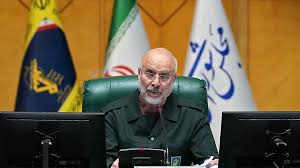
The United States has been vocal about its leverage, with officials suggesting they hold significant cards in this high-stakes game. However, Iran’s parliamentary speaker, Mohammad Bagher Ghalibaf, has countered with what he describes as a “new formula” for addressing persistent blockade threats in the strategic waterway.
Understanding the Current Crisis in the Strait of Hormuz
The Strait of Hormuz is one of the world’s most critical maritime chokepoints. Located between Oman and Iran, this narrow passage connects the Persian Gulf to the wider Indian Ocean. Around 20% of global oil consumption passes through this 21-mile-wide channel every day.
Its importance to global energy security cannot be overstated. For decades, it has been a focal point of tension between Iran and Western powers, particularly the United States. Any threat of disruption immediately impacts global oil prices and financial markets.
Why the Strait Matters
- Saudi Arabia, Iraq, Kuwait, the UAE, and Qatar rely on it for crude exports
- Qatar’s LNG shipments must pass through the waterway
- Any disruption affects global fuel prices and supply chains
- Military strategists view it as one of the most vulnerable trade chokepoints
The American Position: “Having Cards”
Recent US statements emphasize Washington’s confidence in its strategic position. The idea of “having cards” reflects its military strength, alliances, and economic leverage over Iran.
The US maintains a strong regional presence, including:
- The US Navy’s Fifth Fleet based in Bahrain
- Regular naval patrols in the Arabian Gulf
- Strategic alliances with Gulf Arab states
However, Iran has long prepared for asymmetric warfare to counter US naval superiority, including:
- Fast attack craft designed for swarm tactics
- Naval mine capabilities
- Anti-ship missile systems
- Drone technology used in recent regional conflicts
Iran’s New Formula: What Ghalibaf Proposed
Mohammad Bagher Ghalibaf, a former IRGC commander and current parliamentary speaker, introduced what he called a “new formula” for responding to blockade threats. While details remain limited, the strategy appears to combine diplomacy with deterrence.
Three Pillars of Iran’s Strategy
1. Diplomatic pressure through regional ties
Iran is strengthening relations with Gulf states, including Saudi Arabia and the UAE. The recent Iran-Saudi rapprochement—brokered by China—signals a shift toward regional cooperation and reduced US influence.
2. Enhanced military readiness
Iran continues to conduct naval exercises simulating Strait disruption scenarios. These drills serve as a warning of Iran’s capability to interrupt shipping if necessary.
3. Economic countermeasures
Iran is exploring alternative trade routes, including:
- Overland routes through Iraq and Turkey
- Port development along the Gulf of Oman
- Reduced reliance on Strait-based exports
The Reality of a Strait of Hormuz Blockade
Despite frequent threats, a full blockade of the Strait of Hormuz would be extremely difficult and highly escalatory.
Key Challenges for Iran
- It would violate international maritime law
- It would likely trigger a major US-led military response
- Iran also relies on the Strait for its own exports
- Gulf states would strongly support intervention
More realistically, Iran could pursue limited disruption tactics such as:
- Harassment of commercial vessels
- Temporary navigation interference
- Mine-laying risks in shipping lanes
- Insurance cost escalation for maritime trade
These “gray zone” tactics allow pressure without full-scale war.
Global Oil Market Implications
Tensions in the Strait of Hormuz directly impact global energy markets. Even without actual disruption, uncertainty drives price volatility.
Sectors most affected:
- Energy producers tied to Gulf output
- Oil tanker and shipping industries
- Maritime insurance markets
- Asian economies dependent on Middle Eastern oil
Countries like China, India, Japan, and South Korea are especially exposed due to their reliance on imports passing through the Strait.
What Comes Next
The situation remains highly fluid. Both Washington and Tehran appear unwilling to enter direct conflict, but both continue using the Strait as leverage.
Possible scenarios include:
Diplomatic resolution
Renewed negotiations could ease tensions, potentially tied to sanctions relief or regional security agreements.
Limited provocations
Iran may continue symbolic actions such as vessel detentions or military demonstrations without full escalation.
Escalation risk
A miscalculation or isolated incident could rapidly escalate into broader conflict.
Final Analysis: The New Formula in Context
Iran’s “new formula” reflects a strategic balance between diplomacy and deterrence rather than a complete shift in policy. Tehran aims to increase its bargaining power by combining regional diplomacy with credible military threats.
The US maintains conventional military superiority, but Iran continues to leverage asymmetric tactics and regional influence to remain a key player in any Strait of Hormuz negotiation.
For now, the Strait remains open—but tensions persist. Energy markets remain sensitive, and the region continues to operate under a constant risk of escalation. Whether Iran’s strategy leads to stability or further instability remains uncertain, but the Strait of Hormuz will remain a critical global flashpoint for the foreseeable future.

