US-Iran Nuclear Negotiations Stalled: Why Washington and Tel Aviv Are at Odds
The diplomatic chessboard between Washington and Tehran hasn’t moved an inch in months. And now, the United States is finding itself in an awkward tug-of-war not just with Iran, but with its own closest ally in the Middle East: Israel.
The latest round of nuclear talks, which wrapped up in late May 2026, produced no breakthrough, no framework, and not even a joint statement. Instead, what emerged was a clearer picture of the three-way standoff: Iran refuses to compromise on enrichment, the US demands verifiable compliance, and Israel is openly threatening military action if a bad deal is signed.
Let’s peel back the layers of this increasingly dangerous impasse.
The Core Sticking Points That Keep Negotiators Spinning Their Wheels
Diplomats have been shuttling between Doha, Vienna, and Geneva for months. Yet the fundamental disagreements haven’t changed. Here’s what’s really blocking a return to the 2015 Joint Comprehensive Plan of Action (JCPOA) — or any updated version of it.
Enrichment Capacity: The Red Line That Keeps Moving
Iran has steadily escalated its nuclear capabilities over time. Under the original deal, Tehran was limited to enriching uranium to 3.67% using first-generation IR-1 centrifuges. Today, Iran operates advanced IR-6 and IR-9 machines, and has accumulated enough 60% enriched material that the International Atomic Energy Agency (IAEA) warns could be weaponized within weeks, not years.
- Iran’s position: It will not dismantle advanced centrifuges and insists on maintaining enrichment rights under the Non-Proliferation Treaty, potentially at higher levels.
- The US position: Any new agreement must sharply reduce enrichment capacity and extend breakout time to at least one year.
- Israel’s position: No enrichment is acceptable under any circumstances.
At its core, this is not just a technical dispute — it’s a strategic divide over whether Iran should be managed as a nuclear threshold state or prevented from reaching that status altogether.
Sanctions Relief vs. Compliance Verification
The economic dispute is just as entrenched. The collapse of the original nuclear framework under the “maximum pressure” sanctions regime significantly eroded trust.
- Tehran’s demand: Immediate and full lifting of all sanctions imposed since 2017, including those related to missiles and human rights, before nuclear rollbacks begin.
- Washington’s stance: Step-by-step sanctions relief tied to strict verification, including intrusive inspections and rapid “snapback” mechanisms.
- Israel’s assessment: Iran continues to conceal undeclared nuclear activity and cannot be trusted with full inspection access.
The result is a classic deadlock: neither side is willing to move first.
Regional Proxies: The Issue Neither Side Wants to Talk About
Beyond the nuclear file, broader regional tensions complicate negotiations. The US and Israel want any agreement to also address Iran’s missile program and its support for regional proxy groups such as Hezbollah in Lebanon, the Houthis in Yemen, and various militias in Iraq and Syria.
Iran rejects this linkage entirely, arguing these are separate sovereign defense issues.
- Israel’s demand: Restrictions on missile development and limits on advanced weapons transfers to proxies.
- US position: Preference for a nuclear-focused deal, with regional issues deferred.
- Iran’s response: No negotiations on its defensive capabilities.
This divergence has become a key fault line undermining progress.
Inside the Growing US-Israel Rift
One of the most significant developments is the widening gap between Washington and Jerusalem. Israeli Prime Minister Benjamin Netanyahu has repeatedly rejected any agreement that allows Iran to retain enrichment capacity, while US intelligence assessments differ on the immediacy of Iran’s nuclear breakout timeline.
Public Blame Game
Tensions have spilled into public view, with Israeli officials accusing the US of negotiating a weak agreement. Washington has responded by criticizing such statements as counterproductive to diplomacy.
Behind the scenes, US officials have reportedly urged Israel to moderate public messaging and avoid intelligence leaks that could derail negotiations. Israel, however, has warned it may act unilaterally if it perceives the agreement as insufficient.
Military Posturing on Both Sides
Both Iran and Israel have increased military readiness:
- Iran has expanded underground infrastructure and improved air defense systems.
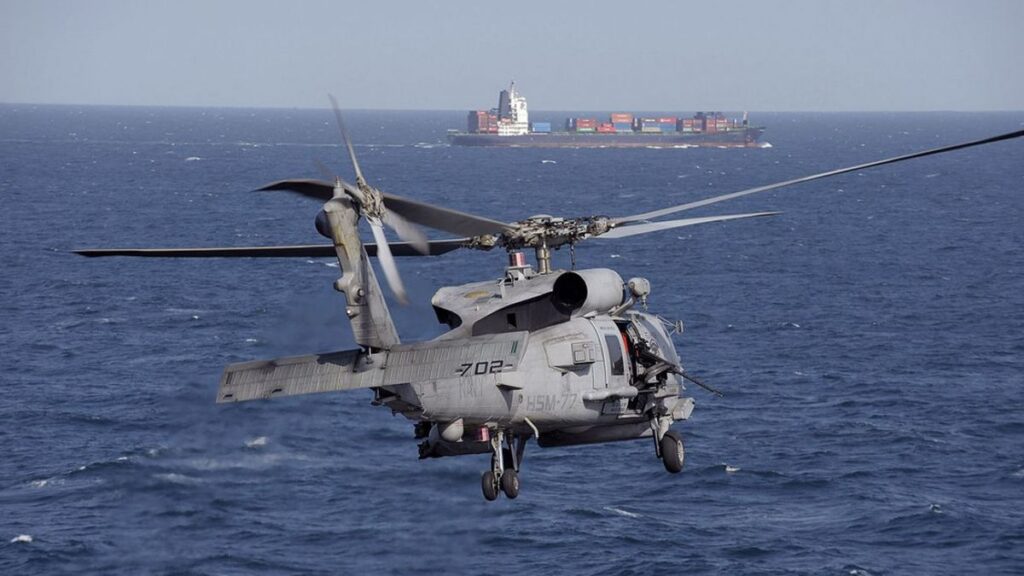
- The US has strengthened its naval presence in the Persian Gulf.
- Israel has signaled it retains operational plans for potential strikes on key Iranian nuclear sites.
Despite this escalation, neither side appears eager for full-scale conflict.
Why the Clock Is Ticking Faster Than It Seems
The International Atomic Energy Agency (IAEA) has raised concerns over unresolved uranium traces at undeclared sites. In response, Iran reduced inspector access, further increasing tensions.
Iran’s enriched uranium stockpile now far exceeds JCPOA limits, and estimates of its “breakout time” vary between a few weeks depending on the intelligence source.
What Could Break the Logjam?
Diplomatic analysts suggest a few possible off-ramps:
- Humanitarian financial deal: Limited asset releases in exchange for a freeze on higher-level enrichment.
- Nuclear-only interim framework: Temporarily exclude missiles and regional issues to secure a basic nuclear cap.
- Quiet Israeli accommodation: Tacit acceptance of a limited deal in exchange for expanded US security guarantees.
Each option carries political risk and requires significant compromise.
Bottom Line: The World Cannot Afford a Permanent Standoff
Diplomacy is stuck between irreconcilable demands. Iran continues advancing its nuclear program, Israel prepares contingency options, and the US remains caught between alliance commitments and negotiation realities.
The critical question is no longer whether a deal is achievable — but how close Iran gets to nuclear capability before diplomacy collapses entirely.
The next round of talks is tentatively set for July 2026. Without a shift in strategy from at least one party, the trajectory remains unchanged: stalled negotiations, rising enrichment, and an increasingly unstable regional security environment.