Israel’s New Special Tribunal: Death Penalty Authorized for Hamas October 7 Attackers
In a historic and deeply divisive move, Israel’s parliament has approved the creation of a dedicated legal body to prosecute the perpetrators of the October 7, 2023 massacre. The tribunal is designed to operate outside the standard military court system and introduces a significant shift in Israeli legal precedent: the explicit authorization of the death penalty for individuals convicted of planning or carrying out the attack.
This marks a rare and controversial departure from Israel’s long-standing judicial restraint. Since the execution of Adolf Eichmann in 1962, capital punishment has effectively been dormant in Israeli practice. The new framework creates a narrow exception for what lawmakers describe as “crimes against humanity of unprecedented scale,” opening the door to potential death sentences for Hamas and Palestinian Islamic Jihad operatives involved in the assault.
Why a Separate Tribunal? The Legal Rationale
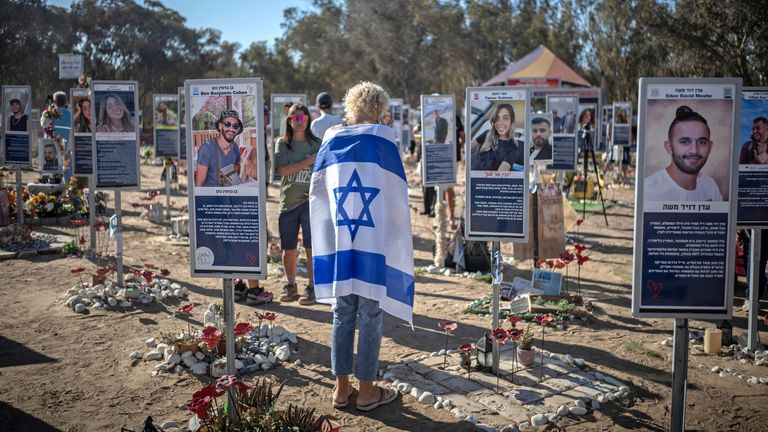
The decision to establish a special tribunal stems from the scale and complexity of the October 7 attacks, in which over 1,200 people were killed, thousands were injured, and more than 240 hostages were taken.
Prosecutors and lawmakers argue that the existing military court system is not equipped to handle the volume of interconnected cases arising from a single coordinated operation.
Key features of the tribunal include:
- A dedicated panel of judges with expertise in international humanitarian law and counterterrorism
- Accelerated legal procedures designed to shorten trial timelines from years to months
- Exclusive jurisdiction over crimes linked directly to the October 7 attack and its planning structure
- Sentencing authority ranging from life imprisonment to the death penalty
Government officials maintain that the tribunal is intended to preserve due process while addressing what they describe as an extraordinary national security event.
The Death Penalty Clause: A Major Legal Shift
The most controversial aspect of the legislation is the reintroduction of capital punishment for this specific category of offenses.
While Israeli law has historically allowed the death penalty in limited cases, its application has been virtually nonexistent in modern practice. The Eichmann case remains the only civilian execution in the country’s history.
The new law introduces several key changes:
- Reduced threshold for death penalty verdicts in these cases (majority rather than unanimity)
- Restrictions on presidential clemency powers for convicted offenders
- Limited application of automatic appeals and review mechanisms
Supporters argue that the severity of the October 7 attacks warrants an exceptional legal response. Critics, including some legal scholars within Israel, warn that the creation of a parallel justice structure risks undermining established judicial safeguards and setting a precedent for politically influenced prosecutions.
Scope of Prosecution: Who Is Targeted?
The tribunal’s jurisdiction extends beyond the individuals who directly participated in the attack. It also includes those accused of planning, ordering, or facilitating it.
Potential categories of defendants include:
- Field commanders involved in operational execution
- Senior leadership figures alleged to have authorized the attack
- Individuals captured during subsequent military operations linked to the events of October 7
Israeli authorities currently hold a significant number of detainees connected to the assault. Priority is expected to be given to high-profile defendants, particularly those with clear evidentiary links to the attack.
A key challenge will be evidentiary reliability, as prosecutors rely on a combination of battlefield intelligence, video recordings, intercepted communications, and forensic reconstruction from a complex and ongoing conflict environment.
International Reaction: Praise, Criticism, and Concern
The tribunal has generated sharply divided international responses.
Critics raise several concerns:
- Potential erosion of due process standards in capital cases
- Risk of politically influenced outcomes under expedited procedures
- Increased international isolation due to renewed use of the death penalty
- Possibility of wrongful convictions under wartime conditions
Human rights organizations have warned that special tribunals created under political pressure can weaken judicial independence, particularly when combined with expedited sentencing frameworks.
At the same time, supporters within Israel and some allied governments point to historical precedents such as post–World War II war crimes tribunals as justification for extraordinary legal mechanisms in response to large-scale atrocities.
The Israeli government maintains that the tribunal is a legitimate response to an unprecedented act of mass violence and that it preserves due process within an adapted legal structure.
What Happens Next
The tribunal is expected to begin operations in the near term, with early cases focusing on detainees linked to clear digital and physical evidence from the October 7 attacks.
However, several major uncertainties remain:
- Hostage negotiations may affect the custody and prosecution of certain detainees
- Potential legal challenges before Israel’s Supreme Court could alter the framework
- International legal scrutiny may influence diplomatic relations and trial procedures
The broader legal and political consequences are expected to unfold over years rather than months.
A Defining Moment for Israeli Legal Policy
This development represents one of the most significant shifts in Israeli criminal and military justice in decades. It blends legal innovation with national security urgency, while simultaneously raising fundamental questions about proportionality, judicial independence, and the limits of extraordinary law in wartime.
Whether the tribunal is ultimately viewed as a necessary mechanism for accountability or a controversial departure from established legal norms will depend heavily on its implementation, transparency, and adherence to procedural safeguards.
What is clear is that Israel has entered a new and deeply consequential phase in how it addresses the aftermath of October 7—one that will continue to shape legal, political, and international debates for years to come.