Democrats Make Unexpected Progress in Traditionally Republican Communities
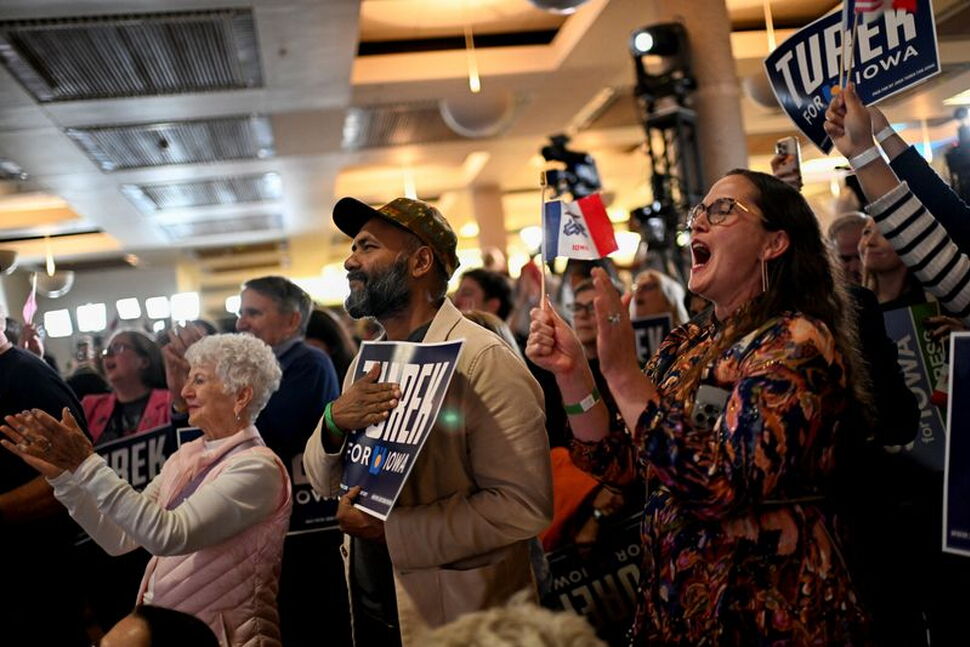
A political fundraiser in rural Iowa in October 2025 offered an early indication that something was changing in American politics. Local Democratic Party organizers were surprised when so many volunteers attended an event that county chair Jim Culbert had to order additional pizza after the food ran out.
That growing enthusiasm eventually became part of a much larger political development. During the November 2026 midterm elections, Democrats achieved significant victories in traditionally Republican areas, including Iowa, Kansas, Texas, and Wisconsin.
According to Reuters journalists Leah Douglas and Yasmeen Abutaleb, the results followed years of efforts to rebuild Democratic organizations in rural communities that the party had previously struggled to reach.
The victories suggest that a broader electoral strategy, combined with economic dissatisfaction and changing voter attitudes, helped Democrats compete in places that had long favored Republicans.
How Democrats Expanded Their Electoral Reach
For years, Democratic election strategies concentrated heavily on a relatively small number of competitive states and congressional districts. This approach often left rural communities in traditionally Republican states with fewer campaign visits, volunteers, and organizational resources.
That strategy began changing as Democratic organizers recognized the importance of building support beyond established battleground areas.
The Democratic National Committee encouraged state parties to compete more widely, investing in local organizations and supporting candidates across a larger number of races.
Instead of waiting until election season, organizers focused on maintaining relationships with communities throughout the year. This included recruiting volunteers, opening local campaign offices, contacting voters, and identifying candidates who could compete in districts previously considered difficult to win.
The November results demonstrated how these investments could translate into electoral gains.
Economic Problems Helped Democrats Gain Rural Support
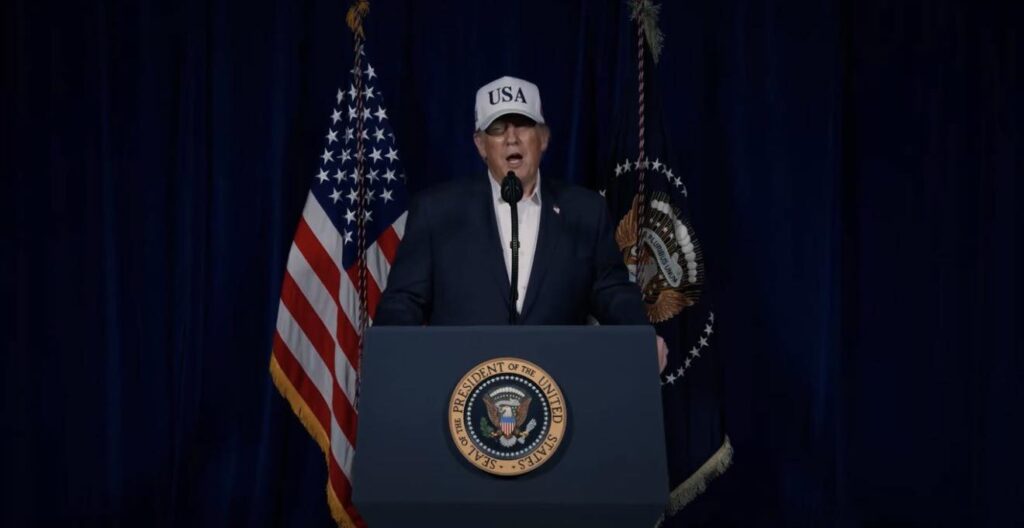
Economic concerns played an important role in the election results. Farmers and other rural workers faced pressure from President Donald Trump’s international tariff policies and higher fuel costs associated with the Iran war.
These developments affected communities where agricultural businesses and transportation play important roles in everyday economic activity.
For farmers, tariffs can create uncertainty around international markets and the cost of imported goods. Meanwhile, expensive fuel increases operating costs for agricultural machinery, transportation, and other essential activities.
Democratic candidates used these concerns to connect with voters who were increasingly dissatisfied with the economic direction of the country.
Hispanic voters also became an important part of the electoral shift, particularly in Kansas and Texas. Concerns about immigration enforcement, deportation policies, and the rising cost of living contributed to changing voting preferences.
According to exit polls cited in the Reuters report, Hispanic voters shifted roughly 40 percentage points toward Democrats in the Kansas and Texas Senate races compared with the 2024 presidential election.
Christina Bohannan’s Rural Campaign in Iowa
One example of the Democrats’ organizing strategy came from Iowa, where congressional candidate Christina Bohannan spent considerable time visiting smaller communities.
For 11 months, Bohannan organized weekly activities called Small Town Tuesday. Her campaign focused on canvassing rural towns and speaking directly with residents.
Her campaign manager, Dan Driscoll, explained that the team frequently encountered people who said they had never previously been contacted by a political campaign.
This direct engagement helped Bohannan build connections with voters who might otherwise have received little attention from Democratic candidates.
Her efforts contributed to a successful campaign in Iowa’s first congressional district, which she flipped from Republican control.
Why Personal Contact Matters in Rural Elections
Door-to-door campaigning allows candidates to understand local concerns rather than relying entirely on television advertisements and national political messaging.
In smaller communities, personal conversations can help campaigns identify problems involving agriculture, transportation, employment, healthcare, and local economic development.
Bohannan’s campaign demonstrated how consistent engagement can help candidates compete in areas where their political party has traditionally struggled.
Rebecca Cooke’s Wisconsin Campaign Reached 54,000 Doors
Wisconsin provided another important example of the Democrats’ expanded campaign strategy.
Democratic candidate Rebecca Cooke defeated a Republican incumbent to win the state’s third congressional district. Her campaign invested heavily in local organizing rather than depending exclusively on national political messaging.
Cooke hired four regional field organizers and reported that her campaign knocked on 54,000 doors, many of them in rural communities.
The statewide Democratic Party also conducted its own voter outreach, expanding the overall campaign’s presence.
Her victory demonstrated the potential value of maintaining a permanent presence in communities that campaigns had previously overlooked.
Cooke emphasized that even smaller communities deserved attention from political candidates, reflecting a broader effort to make rural voters feel included in the political process.
Democratic Organizers Built Stronger Campaign Networks in Iowa
The Iowa Democratic Party also introduced a coordinated campaign strategy designed to help candidates share resources and organize more efficiently.
According to Frances Patano, who managed the statewide effort, it was the party’s first coordinated campaign since 2018.
Under this arrangement, candidates could contribute to a shared organizing structure rather than independently recruiting volunteers and field workers.
This approach helped smaller campaigns access organizational resources that would otherwise have been difficult to afford.
More Volunteers Joined Local Campaign Activities
In the first two weekends of October, the statewide campaign nearly doubled its door-knocking attempts compared with the 2018 midterm elections, Patano said.
In Warren County, the coordinated program funded a staff member who organized six canvassing shifts every weekend through the local Democratic Party office.
The additional organization helped attract volunteers beyond the familiar group of people who had supported local Democrats for years.
Jim Culbert, the Warren County Democratic Party chair, observed that volunteer lists were beginning to include names he did not recognize. This suggested that the organizing effort was reaching beyond the party’s established supporter base.
Kansas Democrats Benefited From Four Years of Preparation
Kansas offered perhaps the clearest example of how long-term political organizing can produce results in a traditionally Republican state.
Democratic efforts to elect Adam Hamilton to the US Senate began four years before the 2026 election.
When Jeanna Repass became chair of the Kansas Democratic Party in 2022, she recognized that competing in a heavily rural state would require a sustained organizational effort.
Donald Trump had won Kansas by double-digit margins in both 2016 and 2020, making the state a challenging environment for Democratic candidates.
Repass responded by hiring a year-round organizer and expanding the party’s county organizations from 57 to 68.
The party also increased its door-to-door outreach by approximately 50% compared with the 2022 midterm elections.
Adam Hamilton Makes Kansas Political History
The organizing effort helped Adam Hamilton become the first Democratic senator elected from Kansas in nearly a century.
One particularly important result came from Seward County, where approximately half of eligible voters are Hispanic.
Hamilton won the county by 13 percentage points. This represented a dramatic change from 2024, when Trump had carried the same county by 39 percentage points.
The result highlighted how demographic changes, economic concerns, and sustained local organizing could influence voting patterns in traditionally Republican territory.
Trump’s Rural Approval Rating Declined
The election results also coincided with declining approval of Donald Trump in rural communities.
Reuters/Ipsos polling showed that Trump’s approval rating among rural voters fell to 45% in October 2026, compared with 60% at the beginning of his presidential term.
Election data provided another indication of the changing political environment.
Across more than 1,500 rural counties where nearly all ballots had been counted by Wednesday, Republican candidates were collectively performing 8 percentage points below Trump’s 2024 vote share.
The figures were compiled by Reuters and USA Today, which partnered to collect live results from US Senate and House elections.
These numbers suggest that Republicans faced difficulties retaining the same level of support they had received during the previous presidential election.
However, the results do not necessarily mean rural voters have permanently changed their political preferences.
Why Democrats Still Face Challenges in Rural America
Despite their significant victories, Democrats have not established control over rural America as a whole.
Republican candidates continued winning races in states including Arkansas, Oklahoma, and Nebraska. These results demonstrate that the traditional Republican advantage remains important in several rural regions.
Another question concerns whether the Democratic gains represent lasting support for the party or temporary dissatisfaction with Trump’s administration.
The November 2026 midterm elections were widely interpreted as a rejection of Trump’s political direction rather than a complete endorsement of Democratic policies.
Midterm election victories also do not guarantee success in the next presidential contest. Political enthusiasm can change considerably between election cycles, especially when economic and national security conditions shift.
Democratic strategists therefore face the challenge of maintaining the local organizations that helped produce their recent gains.
What Democrats Must Do Before the 2028 Election
Political organizers believe continued investment in rural communities will be necessary if Democrats want to preserve their expanded electoral reach.
This means maintaining local offices, recruiting candidates, supporting volunteers, and regularly visiting communities outside major metropolitan areas.
Democrats will also need to develop economic policies that address concerns involving agricultural businesses, fuel expenses, employment, and household affordability.
Simply appearing in rural communities during election season may not be enough to maintain voter confidence. The long-term strategy depends on building relationships between elections.
For local Democratic organizations, the practical next step is to maintain their volunteer networks, review voter outreach results, and prepare early for the 2028 presidential election cycle.
Frequently Asked Questions
1. Why did Democrats perform better in rural America in 2026?
Democrats benefited from years of local organizing, increased door-to-door campaigning, stronger coordination between state parties, and dissatisfaction with economic conditions, including tariffs and higher fuel prices.
2. Which states saw important Democratic gains?
Iowa, Kansas, Texas, and Wisconsin were among the traditionally Republican states where Democrats achieved significant victories in the November 2026 midterm elections.
3. Who was the first Democratic senator elected from Kansas in nearly a century?
Adam Hamilton achieved this milestone in the 2026 election. His campaign benefited from several years of organizing and expanded Democratic Party infrastructure throughout Kansas.
Will Democrats Maintain Their Rural Election Momentum?
The November 2026 results show that Democrats can compete in communities that have traditionally supported Republican candidates. Their progress involved more than national political messaging, relying instead on local organizers, consistent voter contact, and coordinated campaigns.
However, the next challenge will be proving that these gains can survive beyond a single election cycle.
As the country approaches the 2028 presidential election, attention will turn to whether Democrats continue investing in rural communities and whether their economic policies can maintain the support of voters who shifted away from Republicans.
The most important development to watch is whether the party can turn its temporary electoral advantage into lasting local political organizations. The answer may help determine how competitive future elections become across America’s traditionally Republican states.
Sources: Reuters, November 4, 2026; Reuters/Ipsos polling; Reuters and USA Today election results.