Iran Interprets the U.S. Midterm Results as Opposition to War
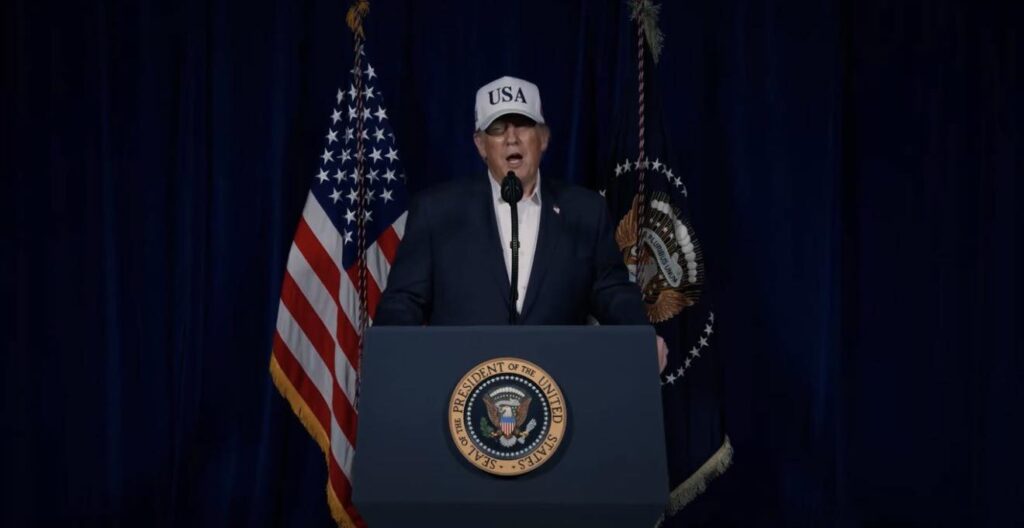
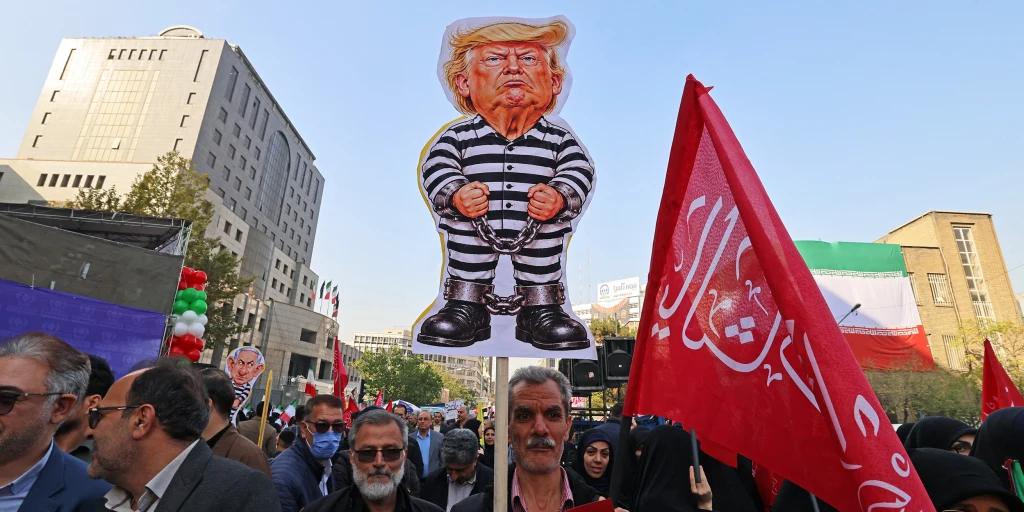
Rising fuel prices and concerns about the cost of living became major issues during the 2026 U.S. midterm elections. Following significant Republican losses, Iranian leaders quickly presented the outcome as evidence that American voters were dissatisfied with President Donald Trump’s military campaign against Iran.
Democratic victories attracted attention beyond the United States, particularly in Tehran, Kyiv, and European capitals. While Iran welcomed the Republican setback, Ukrainians viewed the results with cautious optimism, hoping they could influence Washington’s approach to international conflicts.
Iranian Officials Welcome the Republican Election Losses
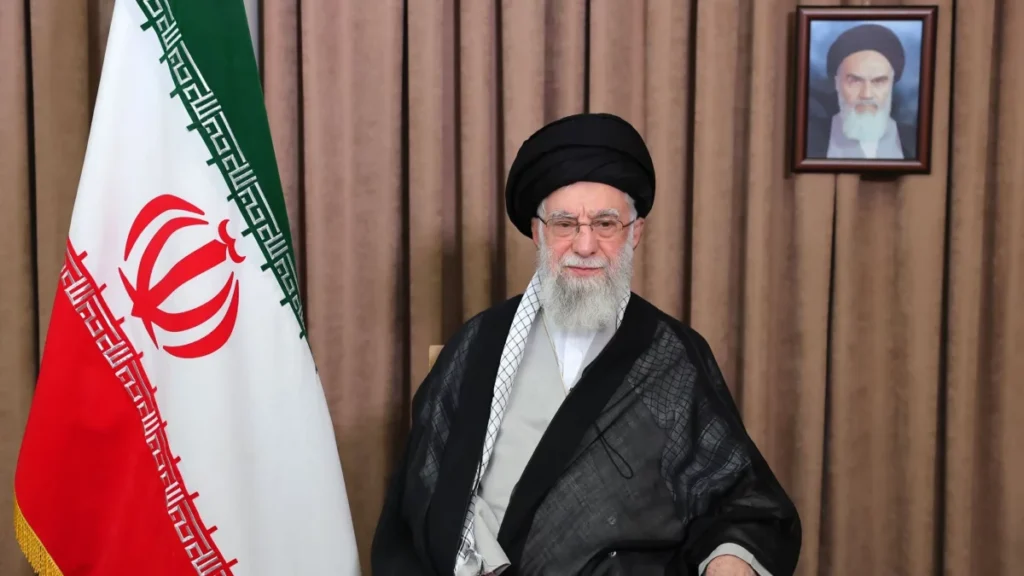
One of the strongest reactions came from Mohammad Bagher Ghalibaf, Iran’s parliamentary speaker and chief negotiator. He interpreted the Democratic victories as a message from American voters against continued military confrontation.
In a November 4, 2026, post on X, Ghalibaf connected the election results to two possible motivations among American voters: personal conscience and frustration over increasing living expenses. He also warned Washington against disregarding public opposition to the conflict.
Tehran’s response focused particularly on rising gasoline prices, which had become an important subject during the election campaign. Iranian officials used the economic pressure experienced by American households to support their argument that the public wanted a different approach to the war.
However, Iran’s interpretation represents the position of its leadership. The election results alone do not establish that every voter supported ending military operations against Iran.
Rising Fuel Prices Become a Major Election Issue
The cost of living played an important role in the political discussion surrounding the midterm elections. Higher fuel prices affected household budgets and became part of the broader dissatisfaction with the administration’s policies.
For Iranian officials, the connection between military operations and economic difficulties offered an opportunity to criticize Washington’s approach. Their message suggested that the consequences of the conflict were being felt beyond the battlefield and were also affecting American consumers.
The election outcome therefore became part of a wider discussion about the relationship between foreign policy, energy costs, and domestic political support.
Ukraine Watches the Election Results With Cautious Optimism
Ukraine also followed the American midterm elections closely because of the importance of U.S. support to its ongoing conflict with Russia.
Valentyn Krasnopiorov, a 39-year-old resident of Kyiv and founder of the economic education initiative The Last Capitalist, told NBC News that American support remained important to Ukraine despite disagreements with Trump’s approach.
Ukraine has faced concerns over changes in its relationship with Washington. In recent weeks, Kyiv had raised questions about gaps in intelligence-sharing and interruptions affecting Elon Musk’s Starlink satellite service, which has supported military communications and battlefield operations.
These developments have created uncertainty for Ukrainian forces, particularly regarding communications and air defense capabilities.
Krasnopiorov expressed hope that the election results could encourage continued American assistance. However, he also recognized that a change in congressional control would not necessarily prevent the president from pursuing his own foreign policy priorities.
His concerns reflected the complicated position facing Ukraine. Stronger Democratic influence in Congress could create additional opportunities to discuss American assistance, but the administration’s decisions would remain an important factor in determining future relations.
European Countries Assess What Happens Next
European reactions to the midterm results were more cautious. Although Democratic victories represented a significant development in American politics, there was uncertainty about whether the outcome would substantially change Washington’s relationships with its European partners.
European governments have been dealing with increasingly difficult relations with the Trump administration, particularly over international security and foreign policy disagreements.
The election results could influence future discussions between Washington and European capitals, but a Democratic congressional victory does not automatically guarantee a change in presidential policy.
For European leaders, the important question is whether the political developments in Washington will translate into practical changes in America’s international commitments and diplomatic relationships.
Why the Midterm Results Matter Beyond American Politics
The reactions from Iran, Ukraine, and Europe demonstrate how closely international governments follow political developments in the United States.
American election outcomes can influence discussions about military assistance, diplomatic negotiations, economic policies, and international security. For countries directly affected by U.S. decisions, congressional changes can create both opportunities and uncertainty.
Iran viewed the Republican losses as an opportunity to promote its position against the military campaign. Ukraine, meanwhile, hoped the results could help preserve American support, while European governments remained cautious about expecting immediate changes in their relationship with Washington.
These different reactions highlight how the same election result can carry different meanings depending on a country’s political and security interests.
What to Watch Following the 2026 Midterm Elections
The next important development will be how the election results influence decisions in Washington. Attention will focus on the incoming Congress, future discussions about military policy, and the administration’s approach to Iran and Ukraine.
For readers following these developments, it is useful to monitor official statements from the White House, congressional leaders, the Iranian government, and Ukrainian authorities. Their announcements will provide a clearer picture of whether the election results lead to changes in diplomatic or military policy.
Although Iran has presented the Republican losses as a message against war, the broader international consequences remain uncertain. The coming months will show whether the political changes in Washington produce a different approach to the conflicts and relationships that continue to shape international affairs.