
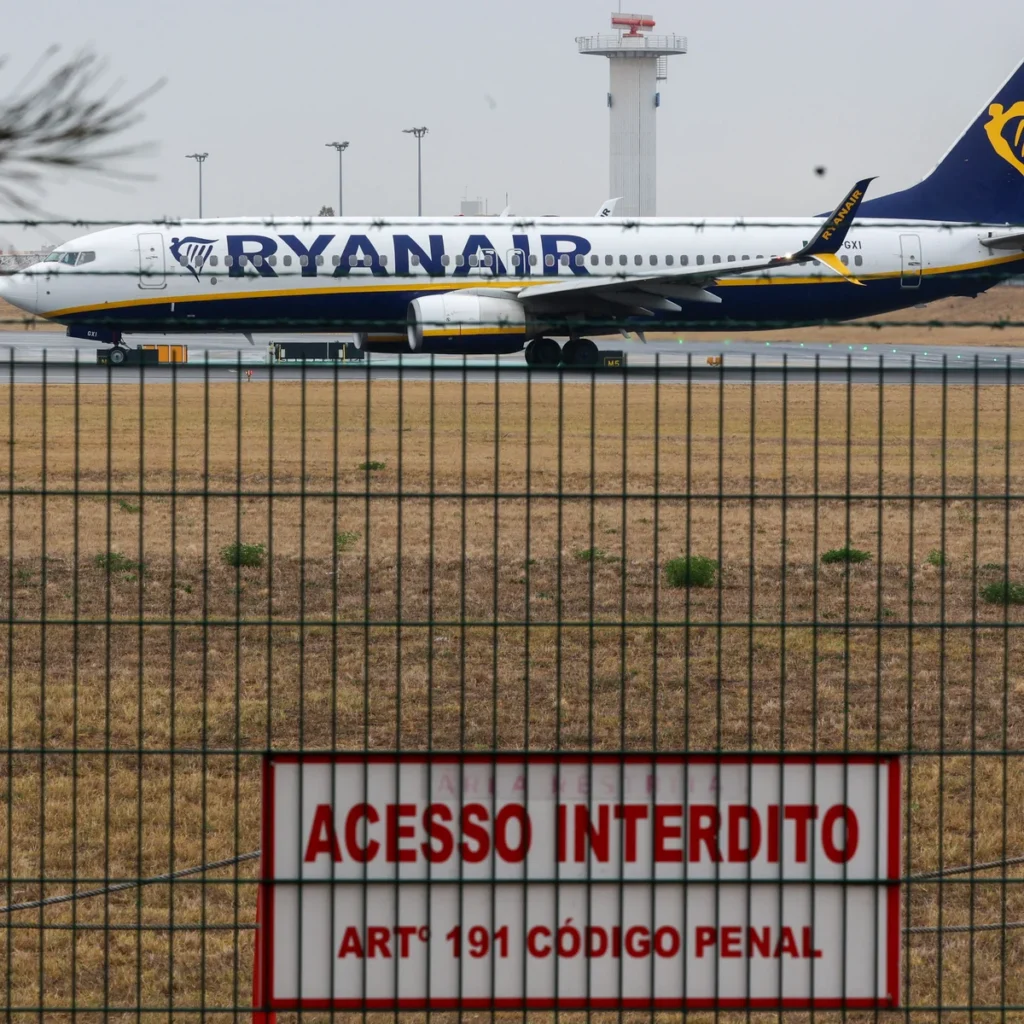
Another Wave of Security Threats Disrupts Air Travel Across Europe
Imagine preparing for an international flight, only to discover that your aircraft must undergo an emergency security inspection because of a reported bomb threat. This was the situation facing passengers across several European countries on Friday, November 6, 2026, as another wave of security alerts affected commercial aviation.
At least 18 additional flights were disrupted following reports of bomb threats targeting aircraft travelling to or from different parts of Europe. Although the alerts triggered security procedures and delays, all affected planes landed safely, and searches did not uncover any explosive devices.
The latest incidents followed similar disruptions earlier in the week, raising questions about whether the repeated threats were connected. Authorities are investigating, but there is currently no confirmed evidence identifying a terrorist organisation or foreign government as responsible.
At Least 18 Flights Affected Across Nine European Countries
The latest security alerts affected flights connected to Bulgaria, Czechia, France, Italy, Hungary, Cyprus, Romania, the United Kingdom and Portugal.
According to reporting by The Guardian, the incidents involved several aircraft operating across European airspace, with Prague among the locations experiencing the largest number of affected flights.
The reported breakdown included:
- Prague: At least nine flights arriving or departing from the Czech capital were affected.
- France: Four flights travelling through French airspace received security alerts.
- Sofia: Two flights heading towards the Bulgarian capital were affected.
- Lisbon to Rome: One flight operating between Portugal and Italy was among the affected services.
These incidents formed part of a broader series of aviation security disruptions reported throughout the week.
Denmark also investigated a reported threat involving Copenhagen Airport. However, airport authorities said normal operations were continuing despite the police investigation.
Importantly, the number of affected flights does not mean that European air travel was generally suspended. Most scheduled services continued operating, although individual passengers experienced delays and changes to their journeys.
Previous Threats Had Already Disrupted at Least 35 Flights
The latest incidents followed two earlier rounds of threats reported on Tuesday and Thursday.
Those previous alerts resulted in at least 35 flights being diverted or subjected to security searches. The repeated incidents increased concerns about the possibility of a coordinated effort intended to disrupt ordinary travel across Europe.
Airlines and airport authorities were required to respond to each report according to established security procedures. Depending on the circumstances, this could involve aircraft inspections, diversions, passenger delays and additional coordination with law enforcement agencies.
Although the repeated alerts caused inconvenience, the investigations had not identified any explosives on the affected aircraft.
The combination of incidents across multiple countries has also created additional work for aviation authorities, airport security personnel and police investigators.
Hungary Scrambles Fighter Jets to Escort Civilian Aircraft
One of the more significant developments involved Hungary, where military aircraft were deployed to escort civilian planes following security alerts.
Hungary scrambled fighter jets three times to accompany commercial aircraft operating within its airspace, according to Defence Minister Romulusz Ruszin-Szendi.
The deployments demonstrated the additional security measures that can become necessary when authorities receive threats involving civilian aviation.
Military escorts are intended to provide an additional layer of protection and allow authorities to respond quickly when an aircraft is considered potentially at risk.
However, the deployment of fighter jets does not establish that an aircraft was carrying explosives or that an attack was imminent. The reported flights ultimately landed safely.
Only 0.0674% of Scheduled European Flights Were Affected
Despite the widespread attention surrounding the incidents, the proportion of affected flights remained relatively small compared with the total number of scheduled services.
According to Eurocontrol, Europe’s air traffic control agency, 26,709 flights were scheduled across Europe on Friday, November 6, 2026.
The affected flights represented just 0.0674% of the total scheduled services, according to The Guardian’s reporting.
This figure helps explain the difference between widespread media attention and the overall operational impact on European aviation.
Nevertheless, even a relatively small number of security incidents can create significant logistical challenges. An individual aircraft inspection or diversion can affect connecting passengers, airport schedules, airline crews and aircraft availability.
Passengers whose flights are delayed may also miss onward connections or need alternative travel arrangements, particularly when travelling internationally.
Irish Media Organisations Also Receive Security Threats
The aviation incidents were not the only security concerns reported on Friday. Several media organisations in Ireland received threats that disrupted broadcasting and triggered police investigations.
Some employees were evacuated while Gardaí, Ireland’s national police service, conducted searches of offices and newsroom facilities.
The threats temporarily affected scheduled broadcasting at RTÉ, Ireland’s national public-service broadcaster. Programming later returned to its normal schedule.
Ireland’s Taoiseach, Micheál Martin, addressed the incidents during an interview with RTÉ Radio 1 after broadcasting resumed.
Martin said the threats needed to be treated seriously because their purpose appeared to be creating public anxiety and disrupting normal activities. He also indicated that European security agencies would work to identify those responsible.
British broadcaster Sky separately confirmed that it had received a security threat on Friday and had referred the matter to the appropriate authorities.
The incidents involving media organisations added another dimension to the investigations, as the threats were no longer limited to commercial aviation.
Investigators Have Not Confirmed Russian or Iranian Involvement
One of the questions surrounding the repeated threats is whether they form part of a larger campaign involving a hostile organisation or state actor.
Investigators have said there is currently no evidence establishing that the threats against airlines and other targets were organised by a terrorist group or a foreign government such as Russia or Iran.
However, inquiries remain ongoing, and authorities have not ruled out possible connections between the separate incidents.
Some threats reported on Thursday reportedly carried the signature Fighters of the Male State, referring to a Russian far-right movement founded in 2016.
The group has been described as ultranationalist and misogynistic. However, the appearance of its name in a threat does not independently establish who sent the message or whether the movement was responsible.
Some officials have also suggested that the incidents could be connected to European countries’ support for Ukraine following Russia’s invasion.
That possibility remains an area of investigation rather than an established explanation for the threats.
Spain’s Foreign Minister Raises Concerns About a Possible Pattern
Spain’s foreign minister, José Manuel Albares, has also expressed concern about the repeated incidents affecting different European countries.
Speaking to Spanish national broadcaster TVE, Albares said investigators needed additional time to establish who was behind the threats. However, he believed the similarities between the incidents deserved attention.
He raised the possibility that the repeated disruptions could represent hybrid aggression and psychological warfare, while warning that European countries should be prepared for further security challenges.
Hybrid threats can involve different methods of disruption, including cyberattacks, misleading information and attempts to interfere with important public services.
Earlier in the same week, cyberattacks had targeted supermarket refrigeration systems in at least seven European countries, adding to concerns about the security of essential infrastructure.
However, investigators have not established that the supermarket incidents and aviation threats share the same perpetrators or operational connection.
What Should Passengers Do If Their European Flight Is Affected?
For travellers planning to fly through Europe, the latest incidents are a reminder to monitor airline communications and follow airport security instructions.
Passengers do not need to assume that every flight will be affected, but checking their travel arrangements before leaving for the airport can help prevent unnecessary complications.
Check Your Flight Status Regularly
Visit your airline’s official website or mobile application to check departure times, gate changes and possible delays. Flight information can change while airport security checks are taking place.
Keep Airline Notifications Enabled
Make sure your contact details are correct when booking a flight. Enable email, text and mobile application notifications so the airline can reach you if your itinerary changes.
Allow Extra Time for Connecting Flights
If your journey involves multiple European airports, consider the possibility of additional security procedures or schedule changes. Passengers with tight connections should contact their airline if their first flight is delayed.
Follow Airport and Security Instructions
If airport authorities announce an evacuation or request additional screening, follow their instructions. Do not approach restricted areas or interfere with emergency personnel.
Travellers should also avoid spreading unverified claims about alleged explosives, suspects or airport closures. Official airline, airport and police announcements remain the most reliable sources of information.
European Authorities Continue Investigating the Threats
The latest incidents have placed additional pressure on European aviation security and highlighted the challenges of responding to repeated threats across national borders.
While all affected aircraft landed safely and searches found no explosive devices, the investigations remain important because authorities still need to determine who sent the threats and whether the incidents were connected.
For now, there is no confirmed evidence linking the aviation alerts to Russia, Iran or a specific terrorist organisation. European security agencies continue examining the available information, while individual countries are responding to threats against airports, airlines and media organisations.
Passengers travelling across Europe should watch for updated announcements from their airlines and airports, particularly if their itineraries involve Prague, France, Sofia, Lisbon or other locations affected by the latest alerts.
Further developments in the investigations may help establish whether the incidents represent coordinated interference or separate acts of disruption. Until authorities provide clearer answers, monitoring official travel updates and following airport security instructions remain the most practical steps for travellers.
Source: The Guardian – Further bomb threats disrupt at least another 18 flights across Europe. Additional context: The Guardian – Explainer on European flight bomb threats.