
Three Global Developments With Implications for Public Health and Human Rights
For readers in Canada, international health and humanitarian developments can offer an important reminder that public health challenges do not stop at national borders. From infectious disease outbreaks to chemicals found in everyday products and changing migration policies, decisions made in different parts of the world can have consequences for communities everywhere.
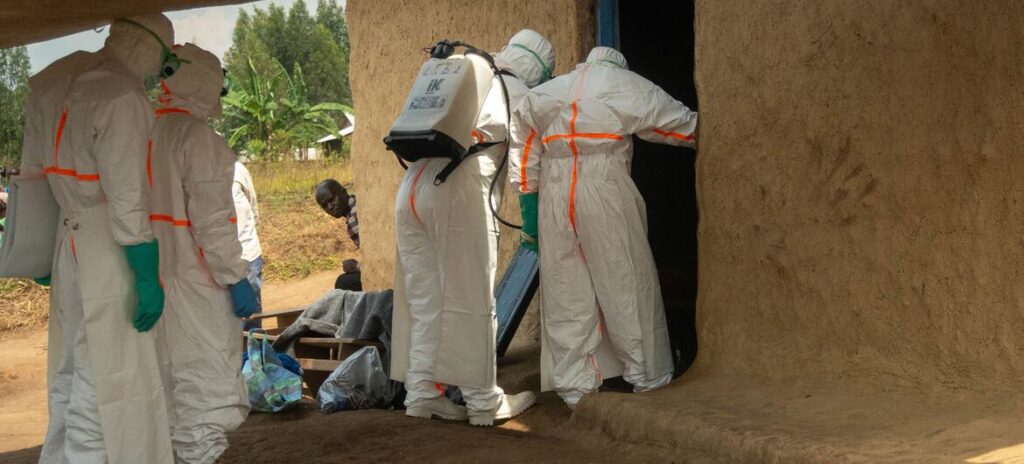
Three developments highlighted by the United Nations on November 17, 2026, illustrate these concerns. The World Health Organization (WHO) reported a significant increase in Ebola cases in the Democratic Republic of the Congo (DR Congo), a joint WHO and United Nations Environment Programme (UNEP) assessment raised concerns about chemical exposure beginning before birth, and UN human rights chief Volker Türk questioned a proposed migration arrangement involving five European Union countries and Rwanda.
Ebola Cases More Than Double in DR Congo
The Ebola outbreak in the Democratic Republic of the Congo has expanded considerably, with reported infections and deaths increasing over a three-month period.
According to WHO Director-General Tedros Adhanom Ghebreyesus, more than 11,000 cases and 5,400 deaths had been reported across 67 health zones in eight provinces. The figures were presented during the third meeting of WHO’s Emergency Committee on the Bundibugyo virus disease epidemic.
The outbreak has also raised particular concerns about its impact on children. More than one-quarter of confirmed infections involve children, while they account for approximately one-third of reported deaths. Among children under five with confirmed Ebola, seven out of ten have died, according to the figures presented by WHO.
Cases reported beyond DR Congo
The outbreak has also involved cases outside the Democratic Republic of the Congo. Kenya reported nine cases connected to an imported infection, including two deaths, while Nigeria reported one imported case.
These developments demonstrate why international coordination remains important when responding to infectious diseases. Countries need effective surveillance, laboratory testing, and timely reporting to identify infections and limit further transmission.
WHO has also expressed concern about broad travel restrictions imposed by some countries. Such measures can complicate outbreak responses and discourage governments from reporting infectious disease events quickly.
Progress in outbreak response
Despite the growing number of infections, response teams have achieved progress in several areas. Rapid transmission has been stopped in most of the outbreak’s initial centres, while the number of laboratories capable of testing for the virus has increased from two to more than two dozen.
WHO also reported plans to introduce two candidate vaccines developed specifically for the Bundibugyo virus into an ongoing vaccine trial in the coming weeks.
However, the overall outbreak remains a serious concern. Between 400 and 500 new cases continue to be reported weekly, and two-thirds of confirmed deaths occur outside Ebola treatment centres. This suggests that some patients are being identified too late to receive specialized care in treatment facilities.
Chemical Exposure May Begin Before Birth
Another important development concerns chemicals that can interfere with the body’s hormonal systems. A new assessment from WHO and UNEP explains that exposure to endocrine-disrupting chemicals (EDCs) can begin before a baby is born.
These substances have been detected in human blood, breast milk, and umbilical cord blood. Early exposure can potentially affect important biological processes, including brain development, physical growth, and reproductive health.
The findings were presented in the 2026 State of the Science on Endocrine-Disrupting Chemicals report, the first major global scientific update on the subject since the previous UNEP-WHO assessment in 2012.
Where can these chemicals be found?
Endocrine-disrupting chemicals are not limited to one particular product category. They can be used in different industries and may appear in materials and products that people encounter during everyday activities.
Examples include certain plastics, food packaging, toys, medical devices, pesticides, and personal care products. Well-known substances with endocrine-disrupting properties include bisphenol A, phthalates, and polychlorinated biphenyls, commonly known as PCBs.
The report identifies stronger scientific evidence connecting exposure with fertility and reproductive development, neurological function, thyroid regulation, metabolism, immune responses, and cardiovascular health.
Possible effects involving metabolic liver disease and kidney health are also receiving attention, although the assessment acknowledges that important scientific questions remain unresolved.
More than 350,000 chemicals and mixtures registered globally
One particularly significant finding concerns the number of chemicals and chemical mixtures registered for production and use worldwide. More than 350,000 have been registered, but only a small fraction has been evaluated for its potential to interfere with the endocrine system.
The assessment also highlights that people and wildlife are generally exposed to combinations of chemicals rather than individual substances in isolation. However, many regulatory systems continue to evaluate chemicals one at a time.
The possible economic consequences are also considerable. Information presented during the UN briefing indicated that diseases associated with EDC exposure could account for approximately 1 percent or more of global gross domestic product under certain estimates.
What can consumers and governments do?
WHO and UNEP are encouraging stronger chemical testing, better monitoring, increased transparency, and the development of safer alternatives.
The accompanying publication, From Evidence to Action: Addressing Endocrine Disrupting Chemicals Across Sectors, identifies areas where policymakers can work to reduce exposure. These include food packaging, cosmetics, textiles, healthcare, agriculture, pharmaceuticals, and waste management.
For consumers, a practical step is to pay attention to product information and follow available safety guidance. Pregnant women, children, and families can benefit from reliable information about materials used in everyday products, although individual exposure risks depend on the specific chemical and circumstances.
Volker Türk Questions Proposed EU-Rwanda Migration Arrangement
The third development concerns a proposal involving five European Union countries and Rwanda. UN High Commissioner for Human Rights Volker Türk raised concerns about the potential human rights implications of transferring people to a country with which they have no genuine connection.
The countries involved are Austria, Denmark, Germany, Greece, and the Netherlands. Their governments have been discussing a proposed arrangement that would transfer certain people whose asylum applications have been rejected and who cannot be returned to their countries of origin.
The proposal is intended to establish a return hub in Rwanda. The arrangement differs from the previous British plan, which sought to transfer asylum seekers while their applications were being processed in Rwanda.
What would happen to people transferred to Rwanda?
Under the proposed arrangement, eligible adults who have exhausted their legal options to remain in the participating European countries could be transferred to Rwanda.
They would spend a period at the facility, potentially receiving language instruction and other training before considering integration into Rwandan society or returning to their country of origin.
The governments have discussed launching the arrangement in 2027, although important operational details and the final agreement remain under negotiation.
UNHCR, the UN refugee agency, has also participated in discussions with the governments involved. Its priorities include maintaining fair asylum procedures, respecting international refugee and human rights law, and ensuring that responsibility for protecting refugees is shared internationally.
Why is the United Nations concerned?
Türk’s concerns centre on the human rights responsibilities of governments when people are transferred outside their territories. He also questioned whether sending individuals to a distant country would adequately address the underlying reasons people migrate.
He emphasized the importance of addressing factors such as inequality, human rights difficulties, armed conflicts, and economic conditions that encourage people to leave their homes.
His position also highlights the importance of creating legal migration opportunities and developing comprehensive policies that consider both the needs of migrants and the responsibilities of receiving countries.
Türk’s office had not been given access to the full proposal’s text at the time of his comments, making further examination of the arrangement important as negotiations continue.
Why These Three Developments Matter Beyond Their Locations
Although the three stories involve different countries and policy areas, they share an important international dimension.
The Ebola outbreak demonstrates the need for coordinated disease surveillance and emergency healthcare responses. The chemical assessment highlights the importance of understanding what goes into products used by people and how exposure may affect health throughout life.
Meanwhile, the proposed EU-Rwanda arrangement raises questions about international cooperation, migration management, and the protection of individual rights.
For Canada, these developments are relevant to broader discussions about public health preparedness, consumer product safety, environmental regulation, and refugee protection. They also demonstrate why international organizations play an important role in sharing scientific evidence and encouraging cooperation between governments.
Frequently Asked Questions
1. How many Ebola cases were reported in DR Congo?
As reported by WHO on November 17, 2026, the outbreak had recorded more than 11,000 cases and 5,400 deaths across 67 health zones in eight provinces.
2. What are endocrine-disrupting chemicals?
They are substances that can interfere with the body’s hormonal systems. They are used in various products, including certain plastics, pesticides, cosmetics, and medical devices. Exposure may affect reproductive health, development, metabolism, and other biological functions.
3. Which European countries are involved in the Rwanda proposal?
Austria, Denmark, Germany, Greece, and the Netherlands are the five EU countries involved in discussions about establishing a migration return hub in Rwanda.
What to Watch in the Coming Weeks
The next developments will depend on progress in several areas. WHO’s Ebola response will require continued monitoring, expanded testing capacity, and further evaluation of the candidate vaccines for the Bundibugyo strain.
Governments and industry representatives will also need to consider the findings of the new UNEP-WHO chemical assessment. The first International Conference of the Global Framework on Chemicals is taking place in Geneva from November 16 to 20, 2026, providing an opportunity to discuss practical measures for reducing harmful chemical exposure.
On migration, attention will remain on negotiations between the five European governments and Rwanda, alongside continued discussions about international legal obligations and refugee protection.
Readers can follow updates from WHO, UNEP, UNHCR, and the UN Human Rights Office for verified information as these developments progress. These organizations provide official reports and announcements that can help the public understand changes in global health, environmental safety, and international migration policy.