
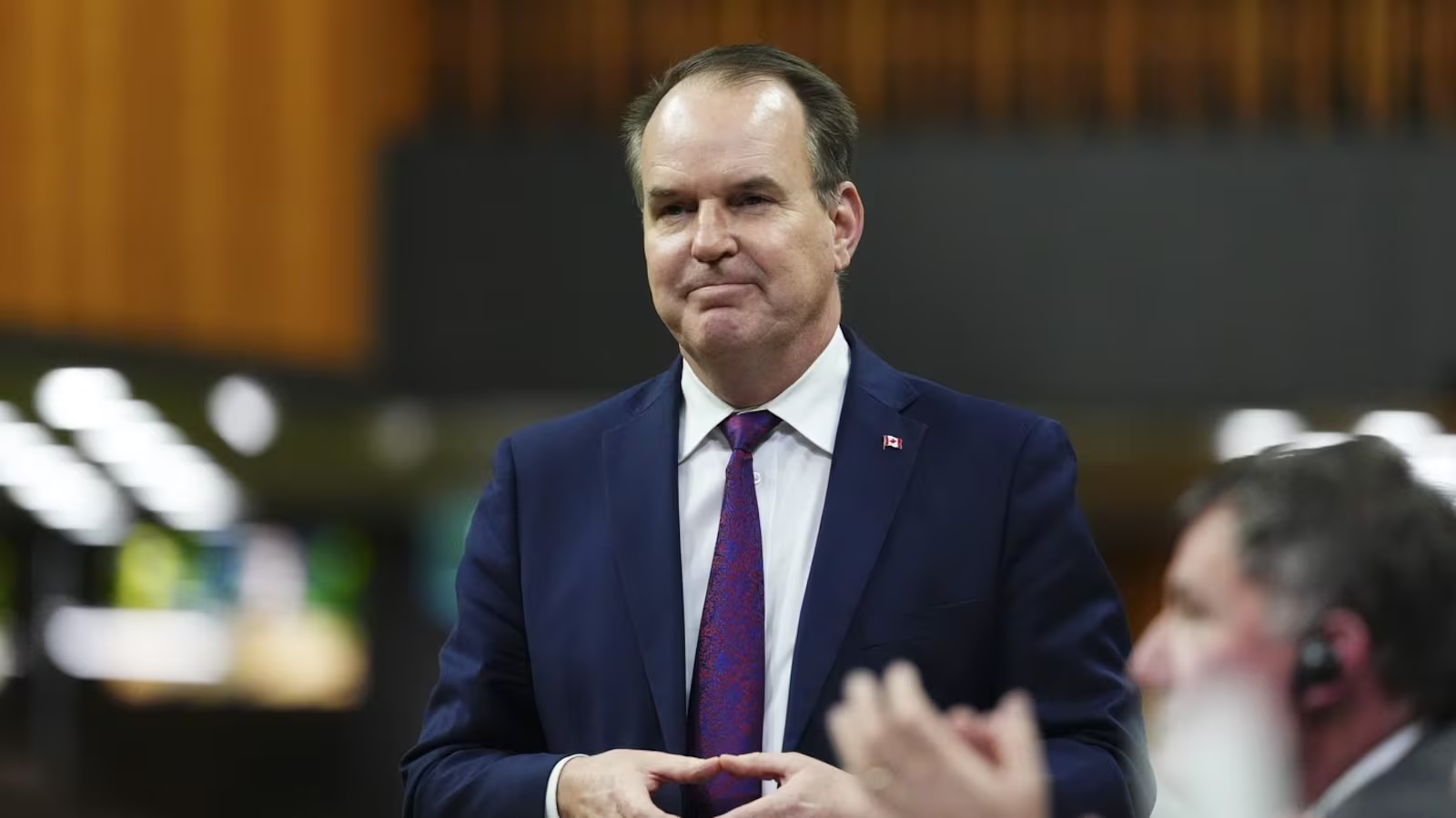
As the snow begins to fall over Ottawa, a familiar seasonal shift occurs on Parliament Hill. The clamour of Question Period fades, the committee rooms fall silent, and the green carpets of the House of Commons see little foot traffic. Canada’s federal politicians are heading back to their ridings for the annual six-week holiday break, a parliamentary recess that stretches from mid-December to late January.
But what does this extended pause actually mean for the business of governing the country? Is it simply a long holiday, or does critical work continue behind the scenes? Let’s pull back the curtain on what happens when the nation’s legislative engine idles.
More Than a Holiday: The Official Purpose of the Parliamentary Break
First, it’s essential to understand that this is a constitutionally mandated recess, not an unofficial vacation. The House of Commons adjourns rather than dissolves, meaning its work is paused, not ended. The break serves several key purposes:
- Constituency Work: This is the primary reason cited for the lengthy recess. MPs return to their home ridings to connect directly with the people they represent. They hold town halls, attend community events, and tackle local issues that often get sidelined during the frenetic pace of the Ottawa schedule.
- Strategic Planning: Political parties use this time for caucus retreats and strategy sessions. Away from the daily partisan battles, MPs and leaders can reflect on the past session, plan legislative priorities for the return, and refine their messaging.
- International Diplomacy: The break often coincides with major international gatherings, like the World Economic Forum in Davos, allowing ministers and the Prime Minister to engage on the global stage without missing crucial votes in the House.
- Recharging and Reflection: While often downplayed, the demanding, high-stress nature of political life makes a sustained break important for the well-being of MPs and their staff, allowing them to return refreshed.
The Government Doesn’t Sleep: Ongoing Operations During the Break
While the legislative machinery pauses, the executive branch of government—the Prime Minister, Cabinet, and the public service—remains fully operational. The break in parliamentary duties does not mean a break in governance.
Cabinet and the Prime Minister’s Office (PMO)
Ministers continue to run their departments, make policy decisions, and respond to emerging events or crises. The Prime Minister often remains active with announcements, travel, and meetings. A national emergency or major international incident would see an immediate response, regardless of the parliamentary calendar.
The Public Service
The backbone of the Canadian government, the public service, works uninterrupted. Federal employees across hundreds of departments and agencies continue to deliver services, administer programs like Employment Insurance and the Canada Child Benefit, conduct research, and enforce regulations. Taxpayers file returns, passports get processed, and border agents remain on duty.
Senate Committees
While the Senate typically aligns its schedule with the Commons, its committees can, and sometimes do, continue to meet during the break to study legislation or specific issues, ensuring some parliamentary work progresses.
The Political and Public Perception Challenge
The six-week break is not without its critics. In an era of 24/7 news cycles and constant connectivity, a prolonged parliamentary recess can be a tough sell to the public. Oppositions often frame it as politicians “taking a long vacation” while pressing issues—like affordability, healthcare, or housing—continue to affect Canadians daily.
This perception creates a delicate balancing act. MPs must demonstrate they are actively working for their constituents during the break, not just resting. The recess becomes a critical period for grassroots political engagement and visibility.
What Gets Paused: The Legislative Freeze
So, what specifically grinds to a halt? The most visible stoppages are:
- House of Commons Sittings: No daily debates, no Statements by Members, no Oral Question Period. The theatre and accountability of the House chamber are on hold.
- Votes on Legislation: Bills cannot pass through the crucial stages of debate and vote in the Commons. Government legislation, even if urgent, sits in procedural limbo.
- House Committee Meetings: The powerful standing committees that study legislation, scrutinize spending, and investigate issues do not officially meet. This pauses detailed study of bills and holds off potentially explosive testimony.
- Opposition Day Motions: The opposition loses its scheduled days to force debates on topics of its choosing until the House returns.
The Countdown to Return: Setting the Stage for a New Session
The final weeks of the break are typically when the political temperature begins to rise again. Parties finalize their attack lines and policy pitches. The government prepares for the return by planning its legislative agenda, which is often formally outlined in a ceremony shortly after MPs return.
The first week back is usually a whirlwind. It often begins with an Address in Reply to the Speech from the Throne (if one was given prior to the break) or a major economic update like the federal budget later in the winter. Question Period returns with heightened intensity as opponents, rested and restocked with constituent concerns, hold the government to account for its actions—or inaction—over the recess.
A Necessary Pause in a Perpetual Machine
The six-week parliamentary break is a deeply ingrained feature of Canada’s democratic rhythm. While it may appear from the outside as a lengthy hiatus, it is a period of transition between different kinds of crucial political work: from the national, partisan arena of Ottawa to the local, community-focused work of the ridings, and back again.
It allows for governing to continue while providing a vital circuit breaker from legislative production—a chance for MPs to listen, for parties to plan, and for the public service to operate without the backdrop of daily political theatre. When the Speaker’s procession marches back into the Chamber in late January, it marks not just a return to business, but the start of a new chapter shaped by the conversations had and the priorities heard during those six weeks away from the Hill.

