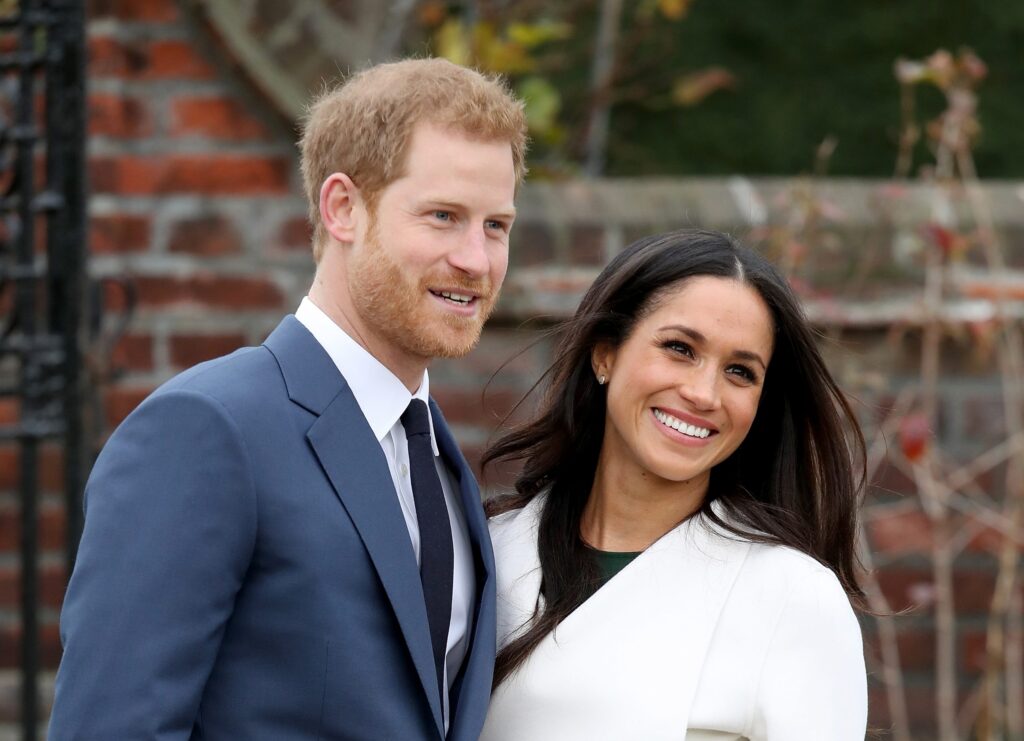
The carefully curated public image of Prince Harry, Duke of Sussex, has faced another significant tremor. Following a whirlwind trip to Canada for a high-profile speaking engagement, the Prince has been compelled to issue a formal apology for remarks made during the event—remarks he claims were delivered under intense pressure and misrepresented his true feelings. This incident has ignited a fresh wave of backlash, raising questions about the pressures of his post-royal life and the sustainability of his new commercial ventures.
The Canadian Event: A Speech Under the Spotlight
Harry’s appearance at the “Living Legends of Aviation” ceremony in Vancouver was intended to be a celebratory affair, honoring his own achievements as a former British Army pilot. However, the tone quickly shifted during a candid on-stage interview. Prompted by pointed questions about his family and his decision to step back from royal duties, Harry offered comments that were perceived by many as a direct critique of the British monarchy’s structure and his upbringing within it.
While the exact wording has been debated, attendees and subsequent reports suggest the Duke spoke about feeling “trapped” by tradition and expressed a desire for a life defined by personal truth rather than protocol. These comments, though not entirely new themes for Harry, were delivered in a diplomatic setting that amplified their impact, leading to immediate headlines across Commonwealth nations and particularly in the UK.
The Swift Apology and Claims of Duress
Within 48 hours of the event, a spokesperson for Prince Harry and Meghan Markle released an unusual statement. Rather than simply clarifying his remarks, the statement contained a direct apology.
The core of the apology stated: “The Duke’s comments were made in the heat of a challenging line of questioning and did not reflect his full or nuanced perspective on his family or his gratitude for his own service. He regrets any offense caused, particularly to those in Canada who have shown him and his family such warmth and support.”
Critically, the statement emphasized the environment of the interview, suggesting the Prince felt cornered and compelled to answer in a way that simplified complex emotions. This framing of “duress” has become the central, and most controversial, element of the entire episode.
Public and Media Backlash: A Strategy Backfiring?
The apology has done little to quell the controversy, instead fueling a multifaceted backlash:
- Credibility Questions: Many commentators have asked how a seasoned public figure, who has voluntarily entered the lucrative world of paid speaking, can claim to be under “duress” from predictable interview questions. Critics argue it undermines his frequent calls for personal accountability.
- Canadian Reaction: In Canada, where the Sussexes have deep personal ties and where they resided temporarily, the response has been notably cool. Some public figures expressed disappointment, feeling the apology framed the event’s hosts and the Canadian public as an antagonistic force, tarnishing what was meant to be a celebratory visit.
- Royal Rift Implications: In the UK, the incident is seen as another self-inflicted wound that further distances Harry from any potential reconciliation with the Royal Family. By publicly apologizing for criticizing “The Firm,” he is seen as alienating both sides—those who support his critiques and those who defend the institution.
Analyzing the “Duress” Defense
The use of the term “duress” is a significant escalation in the Sussexes’ communications strategy. Legally, duress implies coercion by threat of violence or other severe pressure. Its application here to a media interview has been widely scrutinized.
Possible interpretations include:
- A Narrative of Persecution: It reinforces the couple’s longstanding narrative of being hounded and manipulated by media agendas, extending this battle to the live-events circuit.
- Damage Control for Commercial Partners: The Vancouver event was a high-ticket, premium engagement. The apology may be less about public sentiment and more about assuring future organizers that Harry’s appearances won’t be dominated by negative royal drama, protecting his marketability.
- An Emotional, Not Legal, Claim: The statement may be using “duress” colloquially to describe the intense emotional pressure Harry feels when discussing his family, a topic that is clearly a raw nerve.
Regardless of the intent, the defense has largely been perceived as tone-deaf, suggesting a lack of awareness of the privileges and platforms he continues to command.
The Broader Impact on the Sussex Brand
This episode is more than a one-day news cycle; it strikes at the heart of the Sussexes’ rebranding effort. Their commercial success with Archewell, Netflix, and Penguin Random House is predicated on Harry’s unique story and perspective. However, it requires a careful balance:
The “victim” narrative that fueled his memoir “Spare” has diminishing returns in the commercial sphere. Corporations and event organizers pay for inspiration and leadership insight, not perpetual grievance. This incident highlights the tightrope Harry must walk: leveraging his past for commercial gain while avoiding being defined by it in a way that alienates audiences and partners.
Furthermore, the public apology—a tool of the traditional royal playbook he rejected—creates a paradox. It shows an institution-style response to a controversy born from his anti-institution stance, confusing his brand’s message of liberation and authenticity.
Looking Forward: A Precarious Path
The Canada apology backlash reveals a prince at a crossroads. The strategies that built his initial post-royal identity may now be hindering his future ambitions. The path forward is precarious:
- Can he pivot his public discourse to focus more on his philanthropic work and less on the royal rift without losing the audience drawn to that very drama?
- Will the claim of “duress” make major networks and event organizers think twice before booking him for unscripted interviews?
- How does this affect the couple’s reported desire for a more stable, private family life, which seems at odds with such high-profile controversies?
Conclusion: An Unforced Error in a High-Stakes Game
Prince Harry’s apology for his Canadian remarks, and the justification of duress that accompanied it, stands as a significant unforced error. It has managed to offend supporters in a friendly nation, provide ammunition to critics in the UK, and introduce new doubts about the strategic direction of his public and commercial life. The episode underscores that while Harry has left the geographic confines of the monarchy, he remains entangled in its long shadow, with every word analyzed through a royal lens. For the Duke of Sussex, finding a voice that is truly his own—free from both palace protocols and the perceived pressures of his new career—remains an elusive, and now increasingly complex, challenge.