G7 Nations Unite to Bolster Stability and Security in the Middle East
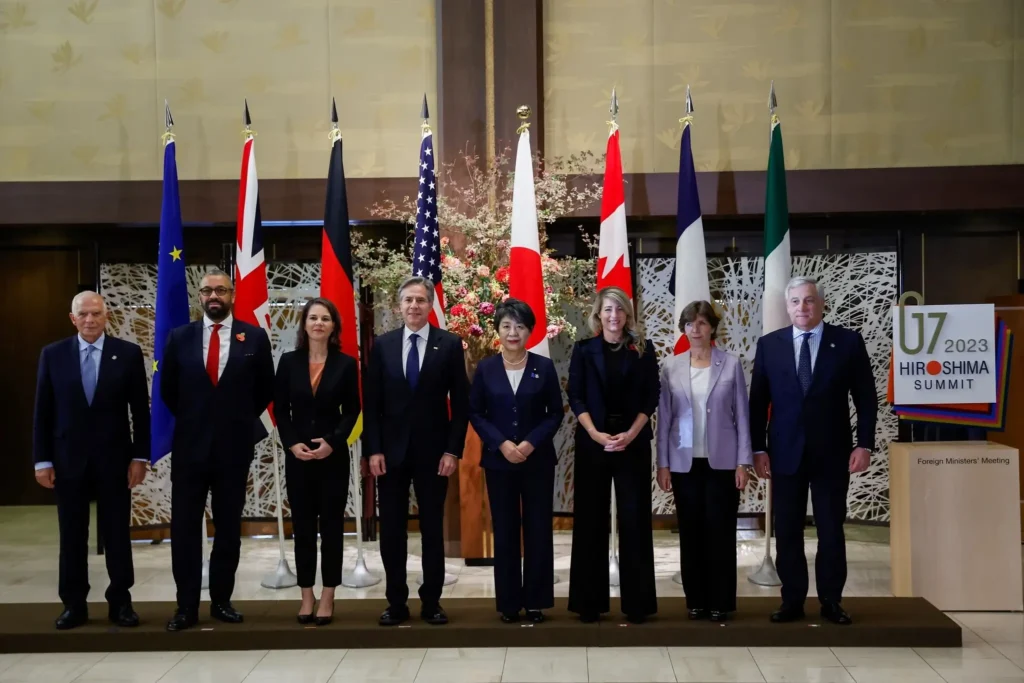
In a significant move underscoring their shared commitment to global stability, the foreign ministers of the G7 nations have issued a powerful joint statement outlining a comprehensive package of support for key partners in the Middle East. This unified declaration comes at a critical juncture, aiming to address pressing regional challenges and reinforce diplomatic pathways toward lasting peace. The statement signals a coordinated effort among the world’s leading democracies to provide tangible assistance where it is needed most.
A Multifaceted Commitment to Regional Partners
The G7 statement is not a vague promise but a detailed framework for action. It recognizes the complex, interconnected nature of security, humanitarian, and economic needs in the region. The ministers emphasized that their support is designed to be direct, practical, and responsive to the priorities outlined by their regional partners themselves. This approach ensures that aid and initiatives are effective and aligned with on-the-ground realities.
The pledged support spans several crucial pillars:
1. Enhancing Security and Counter-Terrorism Cooperation
A primary focus of the announcement is on strengthening regional security architectures. The G7 commits to:
- Deepening intelligence-sharing and operational collaboration to combat terrorist threats.
- Providing advanced training and capacity-building programs for partner nations’ security forces.
- Supporting initiatives that promote border security and disrupt illicit trafficking networks that fund instability.
- This pillar underscores a long-term partnership aimed at enabling regional actors to better defend their own sovereignty and citizens.
2. Addressing Humanitarian Crises and Building Resilience
The ministers acknowledged the severe human toll of ongoing conflicts and economic hardship. Their plan includes:
- Scaling up urgent humanitarian funding for food, medical supplies, and shelter for displaced populations.
- Investing in long-term resilience projects, including water security, sustainable agriculture, and healthcare system support.
- Championing the protection of civilians, especially the most vulnerable, and upholding international humanitarian law.
- This dual focus on immediate relief and sustainable development is crucial for breaking cycles of dependency and crisis.
3. Fostering Economic Stability and Sustainable Development
Understanding that true security is underpinned by economic opportunity, the G7 outlined economic measures:
- Facilitating investments in critical infrastructure to spur job creation and economic growth.
- Promoting regional economic integration and trade initiatives to build interconnected, prosperous markets.
- Supporting governance reforms and anti-corruption efforts to create environments where businesses and communities can thrive.
The Diplomatic Imperative: A Two-State Solution and De-escalation
Beyond the tangible support packages, the G7 statement carries profound diplomatic weight. The ministers used this unified platform to reiterate their unwavering commitment to a specific vision for lasting peace, particularly between Israel and the Palestinians.
The statement firmly reaffirms the G7’s consensus on the necessity of a two-state solution as the only viable path to a just, lasting, and comprehensive peace. They called for concrete steps to de-escalate tensions, avoid unilateral actions that undermine peace prospects, and create the conditions for a return to meaningful negotiations. This collective voice from the world’s major economies serves as a powerful reminder of the international community’s shared goal and its expectation for all parties to engage constructively.
Why This G7 Statement Matters Now
The timing and content of this declaration are strategically significant. The Middle East continues to grapple with overlapping crises—from lingering conflicts and political fragmentation to economic strain and external influences. By presenting a united front, the G7 aims to:
- Send a Signal of Solidarity: It demonstrates to regional partners that they are not alone in facing these challenges and that the world’s leading democracies are committed to their stability.
- Counter Disinformation and Malign Influence: A clear, coordinated message from the G7 helps to provide a coherent alternative to narratives that seek to sow division or promote destabilizing actions.
- Create a Framework for Action: The statement moves from general concern to specific pledges, establishing a benchmark for accountability and future collaboration between the G7 nations and their Middle Eastern partners.
- Reinforce a Rules-Based International Order: By emphasizing adherence to international law and peaceful conflict resolution, the G7 upholds the principles that underpin global security.
Challenges and the Path Forward
While the G7’s pledge is a substantial and positive development, the path from declaration to impact is fraught with challenges. The region’s conflicts are deeply entrenched, and political will among all local actors is essential for any diplomatic initiative to succeed. The effectiveness of the support will depend on seamless coordination among the G7 members themselves to avoid duplication and ensure resources are deployed efficiently.
Furthermore, the success of this initiative will be measured not by the words in a statement, but by observable changes on the ground: reduced violence, improved humanitarian access, tangible economic progress, and credible steps back to the negotiating table. The G7 will need to maintain high-level engagement and adapt its support in response to evolving circumstances.
A Unified Front for a Complex Region
The joint statement from the G7 foreign ministers represents more than just diplomatic rhetoric; it is a blueprint for sustained, multifaceted engagement with the Middle East. By combining security assistance, humanitarian relief, economic development, and unwavering diplomatic principles, the G7 has laid out a holistic strategy. This approach recognizes that there are no simple, military-only solutions to the region’s problems.
For partners in the Middle East, this pledge offers a potential lifeline—a promise of resources, political backing, and a partnership focused on building a more secure and prosperous future. For the international community, it serves as a reminder that despite differing national perspectives, collective action on core issues of peace and stability is not only possible but imperative. The world will now be watching closely to see how these critical pledges are translated into reality.