Inside the Air Canada Cockpit Before the LaGuardia Runway Crash
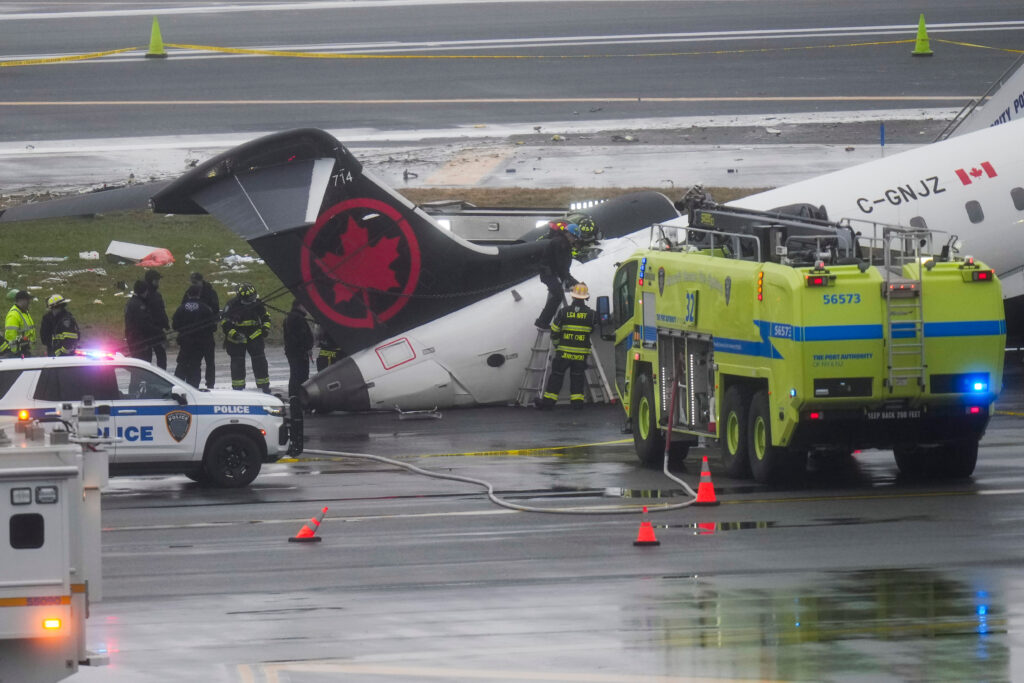
The final moments inside an aircraft cockpit are a private conversation between pilots, a rapid-fire exchange of checklists, observations, and decisions. Usually, that dialogue fades into the routine of a successful landing. But on March 29, 2015, the cockpit voice recorder (CVR) aboard Air Canada Flight 624 captured a chilling sequence of confusion, missed cues, and a desperate last-second maneuver that ended with the Airbus A320 skidding to a violent halt just short of a ravine at New York’s LaGuardia Airport.
This is the story told by the black box, a minute-by-minute reconstruction of the events that transformed a routine domestic flight from Toronto into a harrowing crash landing that injured 25 people and wrote off a multi-million dollar jet.
A Routine Descent into Unseen Peril
Flight AC624 began like any other. The evening departure from Toronto was smooth, and the descent into the New York area was uneventful. The weather, however, was a significant factor. A strong winter storm was battering the Northeast, bringing snow, rain, and gusty winds to LaGuardia. The crew was preparing for an Instrument Landing System (ILS) approach to Runway 04, the standard procedure for the conditions.
As the Airbus broke through the cloud layer, the pilots transition from instruments to visual flight. Here, the CVR transcript reveals the first critical juncture. The captain, seeing the runway environment, stated, **“We’ll go visual.”** He then disengaged the autopilot and autothrust, taking manual control. This decision, while within protocol, set the stage for what investigators would later identify as a cascade of errors.
The Critical 300-Foot Mistake
The ILS provides both lateral and vertical guidance, essentially creating an electronic highway in the sky. A key component is the glideslope, which ensures the plane is at the correct altitude at every point on its approach. The CVR indicates that the aircraft’s Flight Director—the cues on the primary display telling the pilot where to fly—was still commanding a descent based on the ILS signal.
However, the pilots’ actions suggest they believed they were higher than they actually were. Instead of following the Flight Director’s commands, the captain pitched the nose up, causing the aircraft to level off and then climb slightly. For nearly 30 seconds, the Airbus drifted well above the safe glideslope.
The consequence was severe. As they crossed the runway threshold—the point where they should have been flaring for landing—they were still over 300 feet in the air. The runway was disappearing beneath them. In the cockpit, a synthetic voice urgently called out “SINK RATE” and then “PULL UP, PULL UP” as the aircraft descended rapidly in a last-ditch effort to reach the pavement.
Impact and the Fight for Survival
What happened next was a brutal sequence of impacts, captured in stark audio on the CVR.
- First Contact: The aircraft’s landing gear and tail struck a localizer antenna array—a critical landing system they were ironically meant to be guided by—located over 1,000 feet before the runway began. A loud bang and shudder filled the cockpit.
- Second Impact: Still carrying massive speed and force, the plane then slammed onto the runway itself, shearing off both main landing gears and causing the fuselage to scrape along the concrete.
- Third Impact: The crippled jet careened off the left side of the runway, plowed through a chain-link fence, and smashed through the airport’s perimeter antennas before finally coming to rest in a shallow ravine, nose pointed downward.
Inside, the scene was one of controlled chaos. The CVR records the sounds of crashing debris, multiple alarm horns, and the pilots immediately executing emergency procedures.
**“Evacuate! Evacuate!”** the first officer yelled over the public address system, even as the aircraft was still sliding to a stop. The captain remained focused on shutting down engines and fuel pumps to prevent a post-crash fire. Their training kicked in during the most extreme test imaginable.
Investigation Findings: A Web of Factors
The subsequent investigation by the U.S. National Transportation Safety Board (NTSB) and the Transportation Safety Board of Canada (TSB) pieced together the causal chain. It was not a single failure, but a classic “Swiss cheese model” of accident causation, where several holes in the defensive layers of safety aligned.
Primary Causes and Systemic Issues
The official report cited the probable cause as **“the flight crew’s failure to maintain a stabilized approach”** and their **“inadequate monitoring of altitude”** during a critical, low-visibility approach. However, it also highlighted systemic contributors:
- Cockpit Resource Management (CRM) Breakdown: The first officer, who was the pilot monitoring, expressed concern earlier about being high on the approach but did not forcefully challenge the captain’s actions. The CVR shows a hesitancy in communication during a high-workload phase.
- Fatigue: The crew had been on duty for nearly 13 hours, a demanding schedule that investigators concluded likely impaired their performance and vigilance.
- Airline Policy: Air Canada’s procedures at the time allowed for a manual “go-around” from the autopilot at a lower altitude than Airbus recommended, creating potential for confusion and increased workload.
- Visual Illusions: The dark, wet runway against a backdrop of city lights in poor weather can create a “black hole” effect, distorting a pilot’s perception of height and distance.
Legacy of Flight 624: Lessons Written in Steel
The wreckage of the Airbus A320 was a total loss. Yet, from that wreckage emerged crucial safety changes that have made aviation safer.
- Enhanced Training: Air Canada and other carriers intensified training on stabilized approach criteria, the critical importance of mandatory go-arounds, and assertive communication in the cockpit, especially for first officers.
- Procedure Revisions: The airline revised its manuals to better align with Airbus design philosophy regarding automation management during approach.
- A Focus on Fatigue: The accident added weight to ongoing global efforts to reform flight and duty time regulations to better combat pilot fatigue.
- Technology Advocacy: The crash underscored the value of Enhanced Ground Proximity Warning Systems (EGPWS) and other advanced alerts that provide unambiguous warnings to crews.
The cockpit voice recorder from Air Canada Flight 624 is more than a transcript of a disaster. It is a stark, invaluable teaching tool. It reminds us that in the complex, high-stakes environment of a modern cockpit, technology is an aid, not a replacement, for disciplined procedure, vigilant monitoring, and clear, unwavering communication. The voices on that recording, marked by growing tension and ultimate resolve, continue to echo in simulator bays and safety seminars, ensuring that the hard lessons learned on a stormy night at LaGuardia are never forgotten.