Canada’s Coast Guard Deploys New Arctic Surveillance Drones
For centuries, the vast and unforgiving landscape of Canada’s Arctic has presented a formidable challenge for surveillance and sovereignty enforcement. Stretching over thousands of kilometers of coastline, ice, and open water, maintaining a consistent watch has relied on costly and weather-dependent assets like ships and manned aircraft. Now, a technological shift is taking flight. The Canadian Coast Guard, in a groundbreaking collaboration with the Royal Canadian Air Force (RCAF), has officially deployed new, long-range drones to patrol these remote northern frontiers, marking a new era in Arctic domain awareness.
A New Eye in the Sky for the Far North
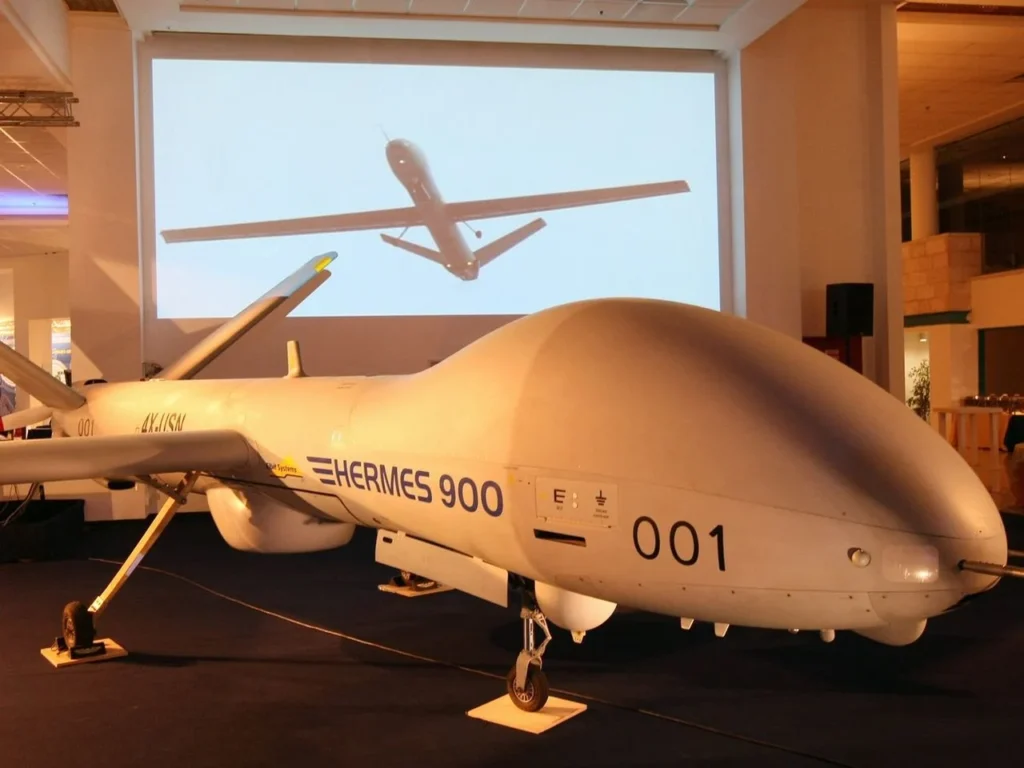
The initiative centers on the deployment of the RQ-9B Skydweller, a cutting-edge uncrewed aerial system (UAS). This is not a small, short-range hobbyist drone. The Skydweller is a formidable platform adapted from a manned aircraft, designed for extreme endurance and range. Its most critical feature for Arctic operations is its solar-electric hybrid propulsion system. By harnessing the near-constant daylight of the Arctic summer, these drones can achieve flight times measured in days or even weeks, not just hours.
This capability is a game-changer. Traditionally, a patrol aircraft or ship can only be on station for a limited time before requiring fuel or crew rotation. The Skydweller, however, can persist over an area of interest almost indefinitely, providing a continuous, real-time feed of maritime activity. This persistent stare allows the Coast Guard to monitor for a range of scenarios with unprecedented consistency.
Key Missions for the Arctic Drone Fleet
The data gathered by these surveillance drones will be pivotal for multiple national priorities:
- Enhancing Sovereignty and Security: The Arctic is becoming increasingly accessible due to climate change, attracting international shipping, research, and potential exploitation. Continuous drone surveillance provides the Canadian government with an undeniable picture of who is operating in its waters, deterring unauthorized entry and reinforcing Canada’s claim over the Northwest Passage and its extended continental shelf.
- Supporting Search and Rescue (SAR): The Arctic’s harsh conditions make SAR missions perilous and time-sensitive. Drones can rapidly scan vast areas of ice and water to locate distressed vessels or missing persons, relaying precise coordinates to Coast Guard ships and RCAF aircraft, thereby drastically improving response times and outcomes.
- Monitoring Environmental Threats: From detecting illegal dumping and oil spills to tracking wildlife populations and assessing ice conditions, the drones serve as a powerful environmental sentinel. They can identify pollution events early, allowing for a quicker containment response, and gather vital data on the rapid changes affecting the Arctic ecosystem.
- Ensuring Safe Navigation: As shipping traffic increases, so do the risks of accidents in ice-choked waters. Drones can identify hazardous ice conditions, monitor vessel traffic density, and help ensure the safe passage of both commercial and community resupply ships.
A Collaborative Model for National Security
This program stands out for its innovative partnership between the Canadian Coast Guard and the RCAF. The Coast Guard, as the lead agency for maritime safety and environmental response, defines the operational requirements and will utilize the intelligence. The RCAF, with its expertise in operating complex military-grade systems, is responsible for flying and maintaining the drone aircraft.
This whole-of-government approach maximizes resources and expertise. It avoids duplication of efforts and creates a unified maritime picture that can be shared with other partners like the Department of National Defence, Fisheries and Oceans, and the Canadian Space Agency. The data fusion from drones, satellites, and traditional assets creates a comprehensive understanding of the Arctic domain that has never before been possible.
Overcoming the Arctic’s Formidable Challenges
Deploying advanced technology in the Arctic is never simple. The program has had to address significant hurdles:
- Extreme Weather: The drones must be engineered to withstand freezing temperatures, high winds, and severe icing conditions that can ground other aircraft.
- Remote Logistics: Establishing maintenance and operational hubs in the far north, with limited infrastructure, is a complex logistical undertaking.
- Satellite Connectivity: To relay data in real-time from the high Arctic, the program relies on secure satellite communications, which can be vulnerable to interference or latency.
- Regulatory Integration: Safely integrating large, long-endurance drones into civilian airspace, even in remote regions, requires careful coordination with air traffic authorities and new regulatory frameworks.
The successful initial deployments demonstrate that these challenges are being met, paving the way for a permanent and expanded drone presence.
The Future of Arctic Stewardship is Automated
The deployment of the Skydweller drones is more than just a new procurement; it is a strategic evolution in how Canada manages its North. This technology provides a cost-effective, persistent, and low-risk method of surveillance compared to the immense expense of constantly deploying manned naval and air assets.
Looking ahead, this is likely just the beginning. The success of this program could lead to:
* An expanded fleet of drones with specialized sensors.
* The integration of artificial intelligence to automatically detect and classify ships or anomalies.
* Enhanced coordination with underwater drones (AUVs) and satellite constellations for a true multi-domain awareness network.
For Northern communities, this enhanced surveillance promises greater safety and environmental protection for their waters. For the nation, it provides the tools needed to confidently assert sovereignty, protect fragile ecosystems, and ensure safe and lawful use of the evolving Arctic. As the ice recedes, Canada’s technological reach is extending, ensuring that even the most remote shores are within watchful sight.