
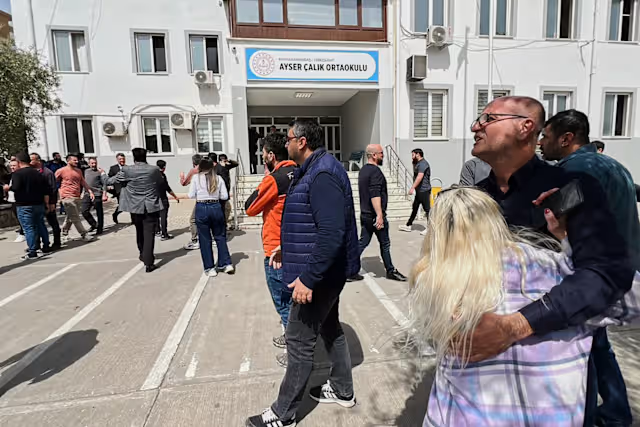
Tragic Turkey School Shooting Leaves 16 Wounded, Teen Gunman Dead
A wave of shock and grief has swept through Turkey following a violent attack at a high school in Istanbul. The incident, which unfolded on a regular school day, resulted in sixteen people wounded and the death of the teenage perpetrator, who turned the gun on himself. This tragic event has reignited urgent national conversations about youth violence, mental health, and security within educational institutions.
A Morning of Horror at Istanbul’s Sahinbey School
The attack occurred at the Sahinbey Middle School in Istanbul’s bustling Gungoren district. According to reports from Turkish authorities and media, the assailant, identified only as a 17-year-old student, entered the school grounds armed with a handgun. The motive behind the attack remains under intense investigation by local police.
Chaos erupted as the teenager began firing. The swift and brave response from teachers and school officials was crucial in preventing further catastrophe. They managed to corner the gunman in a bathroom, where, after a tense standoff, he took his own life. This containment likely saved countless other lives, though the psychological trauma for those present is immeasurable.
The Aftermath and Response
Emergency services rushed to the scene following numerous distress calls. The wounded, which included both students and school staff, were transported to multiple hospitals across the city. Turkish Health Minister Fahrettin Koca confirmed that while the injuries were serious, none were life-threatening, a small mercy in an otherwise devastating situation. The community has since rallied, with many donating blood and offering support to the affected families.
Turkish Interior Minister Ali Yerlikaya provided updates, confirming the gunman’s age and that the weapon used was a blank-firing pistol that had been modified to fire live ammunition. This detail has prompted immediate scrutiny over the accessibility of such weapons and the ease with which they can be altered.
National Grief and a Search for Answers
The shooting has left a nation in mourning and searching for explanations. President Recep Tayyip Erdogan addressed the public, expressing his condolences and emphasizing the need for collective resilience. “We are faced with an incident that should be evaluated in terms of both the dimension of gun control and the mental health of our young people,” he stated, highlighting the dual fronts of this complex issue.
In the wake of the attack, several critical questions are being asked:
- What drove a teenager to such an act of violence? Investigators are delving into the gunman’s background, psychological state, and potential experiences with bullying or social isolation.
- How did a minor acquire a modified lethal weapon? This points to significant gaps in the control of blank-firing guns and the online black market that facilitates their conversion.
- Are schools in Turkey adequately prepared for such threats? While security measures exist, this event tests their effectiveness and prompts a review of safety protocols.
The Broader Context: A Rare but Alarming Trend
While mass shootings at schools are statistically rare in Turkey, this incident is part of a small but deeply concerning pattern. It follows other isolated school attacks in recent years, each one chipping away at the sense of safety within the country’s educational spaces. This event forces a painful acknowledgment that no community is entirely immune to this global scourge of youth-led violence.
Experts are urging a move beyond mere security crackdowns. Child psychiatrists and sociologists argue for a more profound investment in adolescent mental health services, anti-bullying programs, and early intervention strategies to identify and support at-risk youth before they reach a crisis point.
Pathways Forward: Security, Mental Health, and Community
The response from Turkish officials has been multi-pronged, focusing on immediate action and long-term prevention.
Immediate Security and Legal Measures:
Authorities have launched a comprehensive investigation into the gunman’s network and the weapon’s origins. There are growing calls for stricter legislation on blank-firing pistols, including treating them with the same severity as conventional firearms. Discussions about enhancing security infrastructure at schools, including controlled access points and trained personnel, are also underway.
The Critical Role of Mental Health Support:
Perhaps the most significant takeaway is the urgent need to address the psychological well-being of students. The tragedy underscores:
- The necessity of accessible, stigma-free counseling services within schools.
- Training for teachers to recognize signs of emotional distress, depression, or violent ideation in students.
- National awareness campaigns to encourage open conversations about mental health among families and youth.
Healing a Wounded Community:
For the students, staff, and families of Sahinbey School, the journey to recovery will be long. Trauma specialists have been deployed to the school to provide psychological first aid and ongoing support. The goal is to help the community process the event, rebuild a sense of security, and eventually return to a place of learning, though forever changed.
A Call for Vigilance and Compassion
The Istanbul school shooting is a heartbreaking reminder of the vulnerabilities that exist in societies worldwide. It demonstrates that the recipe for such tragedies often involves a lethal combination of accessible weapons, untreated psychological turmoil, and social fractures.
As Turkey mourns and investigates, the global community watches and reflects. This incident is not just a Turkish problem; it is a human one. It calls for a balanced response that hardens targets without hardening hearts—one that prioritizes security while fiercely protecting the emotional landscape of the young. The memory of those wounded and the trauma inflicted on an entire school must galvanize a sustained commitment to creating environments where children are not only safe from violence but are also seen, heard, and helped long before despair turns to destruction.

