
Canada’s Critical Energy Security Gap: A Looming National Crisis
For decades, Canada has proudly worn the mantle of an energy superpower. With the world’s third-largest proven oil reserves and an abundance of natural gas, hydroelectricity, and uranium, the nation’s energy wealth is undeniable. Yet, a profound and dangerous paradox lies at the heart of this abundance. While Canada exports vast quantities of energy to the world, critical regions within its own borders—most notably Ontario and the eastern provinces—remain perilously dependent on foreign imports. This isn’t just a policy oversight; it is a fundamental vulnerability in our national security and economic sovereignty.
The Eastern Dependency: Importing What We Have in Abundance
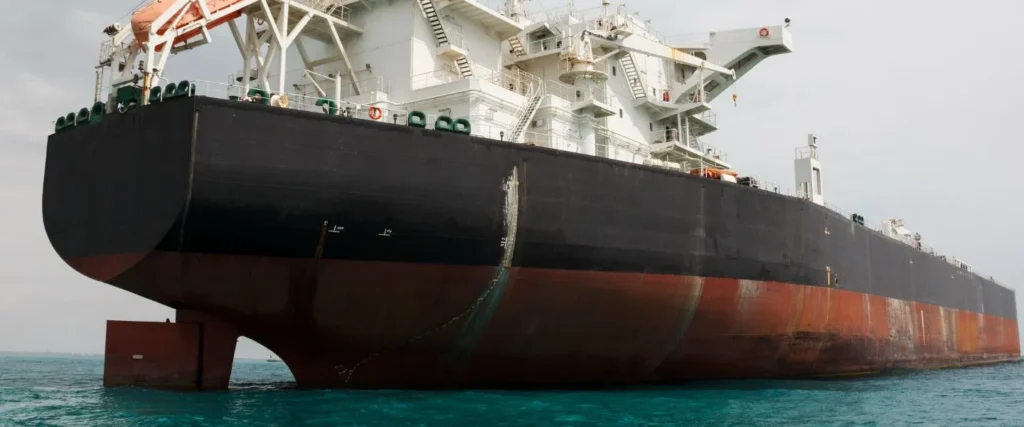
The statistics are both ironic and alarming. Canada is the world’s fourth-largest exporter of crude oil, yet provinces east of Ontario import nearly 90% of their oil from foreign sources, primarily the United States and Saudi Arabia. Similarly, despite being a top-five global natural gas producer, Eastern Canada relies on imports to meet its needs.
This dependency creates a cascade of risks:
- Economic Drain: Billions of dollars flow out of the Canadian economy annually to purchase foreign energy, capital that could be reinvested in Canadian industries, infrastructure, and communities.
- Geopolitical Vulnerability: Relying on volatile global markets and foreign governments for a fundamental necessity exposes Canada to supply shocks and political instability beyond our control.
- Missed Environmental Opportunity: Canadian energy is produced under some of the world’s highest environmental and regulatory standards. Choosing imports over domestic supply often means opting for products with a heavier environmental footprint, undermining our climate goals.
The Infrastructure Chokehold: Why Can’t We Connect the Dots?
The root cause of this security gap is not a lack of resources, but a critical lack of strategic infrastructure. For years, the development of pipelines and transmission lines to move energy from Western and Northern Canada to Eastern markets has been stalled by political polarization, regulatory hurdles, and fierce opposition.
The Stalled Pathways to Security
Projects that would have bolstered national self-reliance have been cancelled, delayed, or remain in perpetual limbo. The inability to build major east-west energy corridors means that Canadian resources are effectively landlocked, forced to flow south to the U.S. or remain untapped, while Eastern Canadians burn fuel from overseas. This infrastructure deficit is a self-imposed constraint on our sovereignty.
The High Cost of Insecurity: More Than Just Dollars
The consequences of this gap extend far beyond balance sheets. A nation that cannot ensure the reliable, affordable flow of energy to all its regions is a nation at risk.
Compromised Sovereignty: True independence requires control over life’s essentials. Energy is the lifeblood of a modern economy—it heats our homes, powers our industries, and fuels our transportation. Outsourcing this foundation makes us subject to the whims and priorities of other nations.
Economic Fragility: Sudden price spikes or supply interruptions in global markets hit import-dependent regions immediately, threatening manufacturing, agriculture, and household budgets. A resilient national economy requires a resilient national energy grid.
Strategic Weakness: In an era of increasing global instability, from war in Europe to tensions in trade corridors, a fragmented energy system is a liability. It hampers our ability to respond to crises and support allies with stable supply.
Charting a Path to Resilience: A National Mission
Closing Canada’s energy security gap is not about returning to the past, but building a secure foundation for the future. It requires a pragmatic, national approach that recognizes energy as a strategic asset. This mission rests on three pillars:
- Strategic Infrastructure as a National Priority: We must elevate the development of critical energy infrastructure—including modernized grids, inter-provincial transmission lines, and potentially small-scale modular nuclear reactors for remote regions—to the level of a national security imperative. This requires clearer, more coherent regulatory pathways that balance rigorous environmental assessment with timely decision-making.
- Embracing an “And” Strategy, Not an “Or” Debate: The false choice between traditional resources and renewables must end. Canada’s path forward involves responsible hydrocarbon development to ensure affordability and reliability during the transition, coupled with an accelerated build-out of renewables, hydrogen, and nuclear. Our vast resources position us to be a leader in both conventional and next-generation energy.
- Re-framing the Conversation: The dialogue must shift from regional squabbles to one of national unity and resilience. Energy security is not a Western or an Eastern issue; it is a Canadian issue. A secure, interconnected energy network benefits all provinces by creating jobs, stabilizing costs, and insulating the country from external shocks.
Conclusion: From Superpower to Secure Power
Canada stands at a crossroads. We can continue as a fragmented collection of energy regions, some wealthy exporters and others dependent importers, vulnerable to global forces. Or, we can choose to become a truly integrated energy-secure nation.
The vision is clear: a country where its own abundant, responsibly produced energy powers every province and territory; where economic benefits are retained and shared coast-to-coast-to-coast; and where sovereignty is reinforced by self-sufficiency. This is not a partisan dream, but a practical necessity. Addressing the critical energy security gap is the unfinished business of Confederation, and the time to bridge it is now, before a looming crisis forces our hand. Our economic stability, our national unity, and our future prosperity depend on the choices we make today.