
Navigating Canada’s 2.4% Inflation in a Volatile Global Economy
For Canadian consumers, policymakers, and investors, the latest inflation reading of 2.4% offers a moment to pause and assess. While the number itself signals a move toward stability, the true story is found in the details of the domestic economy and, crucially, in how Canada’s situation stacks up against the world’s other major economies. This comparative lens is essential for understanding not just where we are, but what challenges and opportunities lie ahead.
Decoding Canada’s 2.4%: The Domestic Story Behind the Headline
The Consumer Price Index (CPI) for March presented a classic “good news, bad news” scenario for Canadian households. On one hand, the relentless surge in grocery prices has shown significant signs of cooling, offering some relief at the checkout counter. On the other hand, this progress is being counteracted by powerful and persistent forces.
The single largest and most stubborn contributor to inflation remains shelter costs. This category is being driven upward by two key factors:
- Mortgage Interest Costs: A direct consequence of the Bank of Canada’s interest rate hikes, these costs are still climbing as homeowners renew their mortgages at significantly higher rates.
- Rents: Continued demand and low vacancy rates across the country are pushing rental prices upward, placing a heavy burden on tenants.
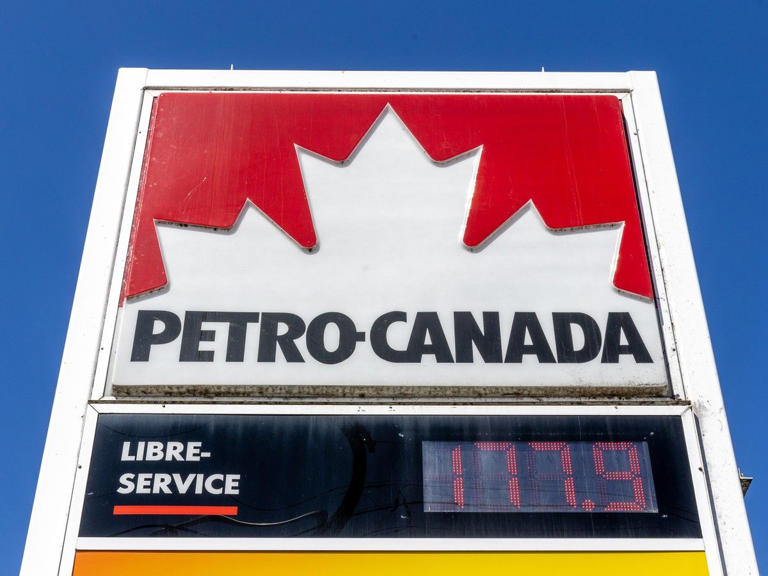
Adding to the mix, gasoline prices edged higher in March, a stark reminder that global geopolitical tensions and supply decisions can instantly ripple through to the pump. This combination of factors explains why the final descent to the Bank of Canada’s 2% target is proving difficult. Economists often call this the “last mile” problem—the initial rapid decline in inflation is easier than squeezing out the final, stubborn percentage points.
Canada in Context: How Our Inflation Rate Compares Globally
To truly appreciate Canada’s 2.4% inflation rate, we must look beyond our borders. Placing Canada alongside its G7 peers and other major economies reveals a landscape of divergent pressures and policy dilemmas. Our moderate rate is neither the best nor the worst, placing us in a cautious middle ground.
The United States: Stubborn Inflation Delaying the Pivot
With inflation running at 3.5%, the United States presents a critical contrast. Their economy has shown remarkable resilience and consumer strength, but this has also allowed inflation, particularly in services, to remain sticky. This robustness has forced the U.S. Federal Reserve to delay anticipated interest rate cuts. For Canada, this creates a significant headwind; diverging too far from U.S. monetary policy can impact the Canadian dollar and cross-border trade, effectively tying the Bank of Canada’s hands to some degree.
The Eurozone: A Mirror Image with Different Underpinnings
Interestingly, the Eurozone’s inflation rate matches Canada’s at 2.4%. However, the economic context is different. Growth in the Eurozone is notably weaker, and the European Central Bank (ECB) is widely expected to cut interest rates ahead of the Federal Reserve. This highlights that identical inflation rates can stem from different economic conditions—one facing growth concerns, the other contending with overheating pressures.
The United Kingdom: A More Acute Cost-of-Living Crisis
The UK’s inflation rate of 3.2% reflects a more severe and prolonged cost-of-living struggle. Like the U.S., the UK is wrestling with potent services inflation, keeping overall prices elevated. Their journey back to target has been rockier, underscoring how domestic policy and unique economic shocks, like the energy crisis precipitated by the war in Ukraine, can create distinct inflationary paths.
Japan: A Historic Departure from Deflation
At 2.8%, Japan’s inflation story is unique. After decades of battling deflation or minimal price growth, this rate represents a historic shift. The Bank of Japan is cautiously navigating this new terrain, having just ended its negative interest rate policy. For the world, Japan’s experience is a fascinating case study in shifting long-entrenched economic psychology around prices and wages.
Practical Implications: What This Means for Your Wallet and Investments
Understanding these domestic and global dynamics isn’t just academic; it has direct consequences for financial planning and economic expectations.
1. The “Higher for Longer” Interest Rate Reality
With core inflation measures still elevated and shelter costs soaring, the prospect of rapid, aggressive interest rate cuts has diminished. The Bank of Canada is likely to proceed with extreme caution. Households and businesses should prepare for a “higher for longer” interest rate environment, with gradual easing expected later in 2024 rather than a swift return to low rates.
2. Shelter Costs as a Permanent Budgetary Factor
The structural issues in Canada’s housing market—from supply shortages to high construction costs—mean that shelter affordability will remain a central economic challenge. For individuals, this means:
- Homeowners facing mortgage renewal must stress-test their budgets for significantly higher payments.
- Renters need to anticipate continued upward pressure on lease rates and factor this into long-term financial plans.
3. The Necessity of a Global Mindset
Canada’s economy is deeply interwoven with global markets. Several international factors can swiftly alter our domestic outlook:
- U.S. Economic Data: A strong U.S. jobs report can bolster the U.S. dollar and delay Fed cuts, influencing Canadian borrowing costs.
- Geopolitical Shocks: Conflicts affecting major trade routes or oil-producing regions can trigger volatility in energy and commodity prices.
- Global Supply Chains: New disruptions can revive goods inflation, impacting everything from electronics to automobile prices.
Investors, in particular, must monitor these global signals as closely as domestic ones, as they will influence currency movements, bond yields, and equity market rotations.
The Path Forward: Cautious Optimism in an Interconnected World
Canada’s 2.4% inflation rate is a sign of an economy successfully emerging from the post-pandemic inflationary spike but still grappling with the last leg of the journey. Our position is enviable compared to some peers but is fraught with its own complexities, primarily the housing-driven shelter component.
The road back to sustained 2% inflation will require patience. It will be shaped not only by the Bank of Canada’s decisions but by the actions of the Federal Reserve, the pace of growth in Europe, and the unpredictable nature of global events. For Canadians, the key takeaway is to embrace a mindset of informed resilience—planning for persistent cost pressures, especially in housing, while staying agile enough to adapt to the waves emanating from the wider world economy. In this volatile global landscape, knowledge and flexibility are the most valuable currencies of all.

