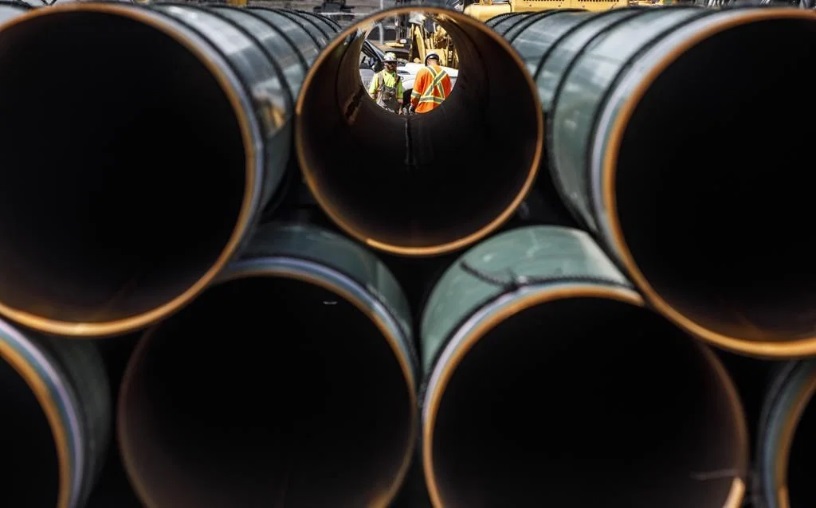
Global Investors Eye Canadian Pipeline Expansion for Energy Security
In a world increasingly focused on energy stability and diversification, Canada’s vast natural resources are drawing significant international attention. According to Alberta Premier Danielle Smith, a major push to expand the nation’s pipeline capacity is attracting serious interest from deep-pocketed investors across the Middle East and Asia. This surge in global capital underscores a pivotal moment for Canada’s energy sector, positioning it as a potential cornerstone for global energy security.
Why Global Capital is Flocking to Canadian Energy
The geopolitical landscape has shifted dramatically in recent years. Conflicts, supply chain disruptions, and a reevaluation of energy dependencies have forced nations and corporations to seek stable, reliable sources of oil and natural gas. Canada, with its democratic stability, stringent environmental regulations, and massive proven reserves, presents a compelling alternative to more volatile regions.
Premier Smith’s announcement highlights that this isn’t just theoretical interest. Sovereign wealth funds and major energy firms from regions like the Middle East and Asia are actively evaluating opportunities to finance and participate in pipeline and related infrastructure projects. Their goal is twofold: to secure long-term energy supply for their home markets and to invest in high-value, strategic infrastructure with decades-long lifespans.
This international vote of confidence is a powerful signal that global markets see Canadian energy as a safe, long-term bet.
The Crucial Need for Expanded Pipeline Capacity
For years, the Canadian energy sector has been hamstrung by a critical lack of pipeline capacity to coastal ports. This bottleneck has forced producers to sell oil at a significant discount, primarily to the U.S. market, leaving billions in potential revenue on the table and limiting Canada’s role on the global stage.
Key projects that are central to this discussion include:
- The Trans Mountain Expansion (TMX), which is nearing completion and will open access to Asian markets from the West Coast.
- Potential expansions or new corridors to the East Coast, offering a direct route to European allies seeking alternatives.
- Enhanced infrastructure for liquefied natural gas (LNG) exports, capitalizing on global demand for cleaner-burning transition fuels.
Building these arteries is not just about economics; it’s about strategic positioning. By reaching tidewater, Canada can diversify its customer base, command global pricing, and become a reliable energy supplier to democratic allies.
Alberta’s Vision: A Partner for a Hungry World
Premier Smith has positioned Alberta not merely as a resource extractor, but as a responsible and technologically advanced energy partner. The province is actively pitching its comprehensive approach, which includes:
- Carbon Capture, Utilization, and Storage (CCUS): Leading-edge projects aimed at significantly reducing the carbon footprint of hydrocarbon production.
- Liquefied Natural Gas (LNG): Framing natural gas as a essential transition fuel that can help displace coal globally and lower worldwide emissions.
- Ethical and Stable Governance: Emphasizing the rule of law, predictable regulatory frameworks, and a commitment to environmental stewardship that is often unmatched.
This “energy-plus” narrative is resonating with investors who are under growing pressure to meet Environmental, Social, and Governance (ESG) criteria. They aren’t just buying barrels; they are investing in a cleaner, more sustainable energy model.
Navigating Challenges: The Road to Construction
While the investor interest is palpable, the path from interest to steel in the ground is complex. Any new major pipeline project in Canada must navigate a multifaceted landscape:
- Regulatory Hurdles: Rigorous federal and provincial environmental assessments and regulatory approvals are mandatory and time-consuming.
- Indigenous Partnerships: Meaningful consultation and partnership with Indigenous communities, who are increasingly becoming equity owners and stakeholders in projects, is no longer an option but a necessity for success.
- Political and Public Support: Balancing national climate commitments with economic development requires careful political navigation and ongoing public engagement to build social license.
The success of the Trans Mountain expansion, despite its challenges, has provided a modern blueprint for how such mega-projects can move forward in Canada’s current environment.
The Broader Implications for Canada and the World
The influx of Middle Eastern and Asian investment into Canadian pipelines carries profound implications that extend far beyond corporate balance sheets.
For Canada, it represents a historic opportunity to:
- Unlock the full economic potential of its energy sector, creating high-paying jobs and generating immense royalty and tax revenue for social programs and the transition to a net-zero economy.
- Strengthen its geopolitical influence by becoming a guaranteed supplier of energy to key allies in Europe and Asia, enhancing both national security and global stability.
- Fund and accelerate its own energy transition by using wealth generated from hydrocarbon exports to invest in renewables, hydrogen, and other next-generation technologies.
For the world, a stronger Canadian energy export capacity means:
- Greater global energy security by adding a massive, stable supply source to the market, reducing the influence of volatile petro-states.
- A pathway to lower global emissions, as Canadian LNG can replace coal-fired power abroad and domestic innovation in CCUS sets a new standard for cleaner production.
- Strengthened economic and strategic ties between democratic nations, fostering a more secure and predictable international order.
Looking Ahead: A Strategic Crossroads
The keen interest from global investors is a clarion call. The world needs reliable energy, and it is looking to Canada to provide it. The question is whether Canada can seize this moment with urgency and determination.
The coming years will be critical. Success will depend on collaborative leadership between the federal government, producing provinces like Alberta, Indigenous communities, and industry. It will require a pragmatic policy framework that simultaneously advances economic, environmental, and Indigenous reconciliation goals.
One thing is clear: the market has spoken. Capital is ready to flow into projects that enhance Canada’s export capacity. By building the necessary infrastructure, Canada can fulfill its role as a responsible energy superpower, bolster the economic well-being of its citizens, and contribute meaningfully to global energy security in an uncertain world. The opportunity is at the doorstep; the next step is to build the pathway to bring it home.