
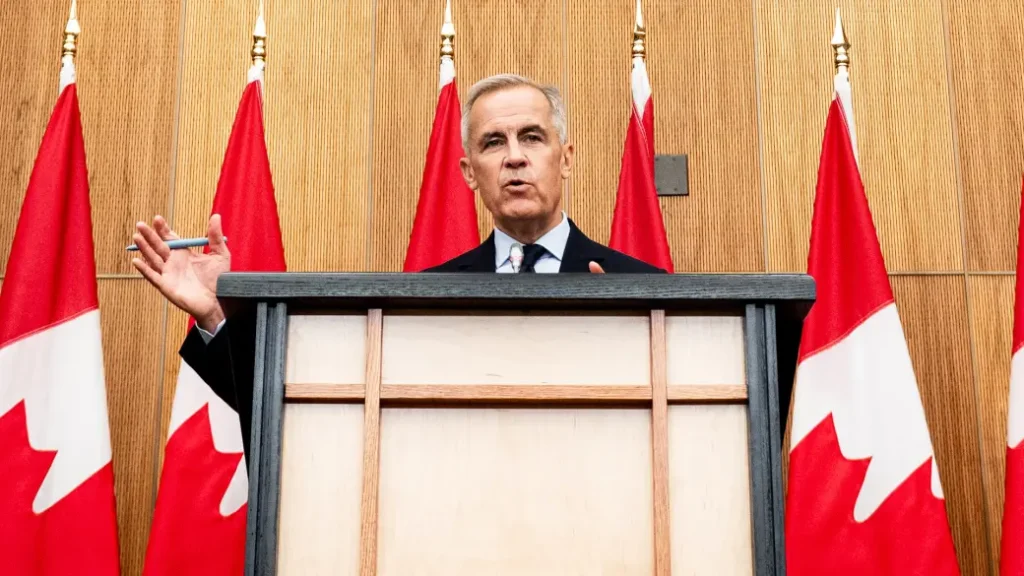
Mark Carney Launches High-Level Advisory Council to Strengthen Canada-US Trade
In an era defined by economic uncertainty and shifting global alliances, the strength of the Canada-United States trade relationship is more critical than ever. It is the foundation of North American prosperity, supporting millions of jobs and integrating supply chains across the world’s longest undefended border. A new, significant initiative is now taking shape to proactively defend and advance this vital partnership. Spearheaded by one of Canada’s most respected financial figures, Mark Carney, a new private-sector advisory council is being formed to tackle modern trade challenges and unlock future growth.
This council represents a strategic investment in the future of North American competitiveness. It moves beyond reactive government diplomacy, aiming instead to provide a steady stream of actionable, non-partisan advice from the leaders who drive commerce and innovation every day. As geopolitical tensions and the clean energy transition reshape economic priorities, this effort could not be timelier.
Why a New Canada-US Trade Council Is Essential Now
While the Canada-United States-Mexico Agreement (CUSMA) provides the legal framework for trade, a treaty alone cannot guarantee seamless cooperation or future-ready competitiveness. The real-world application of trade agreements is often mired in regulatory friction, bureaucratic delays, and emerging sectors that the original text couldn’t anticipate.
This new advisory council, driven by the private sector, is designed to fill that gap. It operates on the understanding that the people and businesses navigating cross-border trade daily are best positioned to identify problems and propose practical solutions. Its mission is to ensure the Canada-US trade corridor doesn’t just survive but thrives as the world’s most resilient, innovative, and mutually beneficial economic partnership.
The need for such a forum is clear. From ensuring the secure flow of critical minerals for electric vehicles to harmonizing digital trade standards, the opportunities for deeper integration are vast—but so are the potential pitfalls if cooperation falters.
Key Focus Areas for the Advisory Council
The council’s agenda will be shaped by its members, but several pressing issues are almost certain to be at the forefront of its discussions. These areas represent the nexus of economic opportunity and strategic necessity for both nations.
1. Building the Integrated Clean Energy Economy
Perhaps the most significant opportunity for collaboration lies in the clean energy transition. Canada and the United States are natural partners in building a secure, North American green economy.
* Critical Minerals & Battery Supply Chains: Canada possesses many of the minerals essential for batteries, wind turbines, and solar panels. The council can work on strategies to develop these resources responsibly and integrate them into U.S. manufacturing, reducing reliance on adversarial nations.
* Cross-Border Electricity Grids: Enhancing interconnectivity for clean hydroelectric and other renewable power can boost energy security and stability in both countries.
* Aligning Green Subsidies and Regulations: With both nations investing heavily through initiatives like the U.S. Inflation Reduction Act, coordination is key to avoiding a wasteful subsidy war and ensuring companies can operate efficiently across the border.
2. Streamlining Cross-Border Innovation and Digital Trade
The digital economy pays no heed to border lines, yet outdated regulations can stifle growth. The council can be a powerful voice for modernizing the trade framework for the 21st century.
* Data Flow and Privacy Standards: Developing compatible approaches to data governance will be crucial for tech companies, researchers, and financial services.
* Regulatory Cooperation in Tech & AI: Aligning approaches to emerging technologies like artificial intelligence and quantum computing can help North American firms set global standards.
* Supporting SMEs in Digital Trade: Helping small and medium-sized enterprises navigate e-commerce, digital payments, and customs automation can democratize access to the binational market.
3. Identifying and Removing Persistent Trade Barriers
Despite CUSMA, “thickening” at the border remains a daily cost for businesses. The council can act as a high-level problem-solving forum for persistent irritants.
* Customs and Logistics Inefficiencies: Advocating for shared technology and processes to speed up the movement of goods.
* Labour Mobility: Finding ways to facilitate the temporary movement of skilled professionals to where they are needed most.
* Buy-America and Procurement Policies: Developing strategies to ensure Canadian companies remain competitive and integrated in U.S. supply chains, especially for infrastructure projects.
The Strategic Value of Mark Carney’s Leadership
The involvement of Mark Carney is a cornerstone of this council’s credibility and potential impact. He is not merely a figurehead; his unique career trajectory makes him an ideal catalyst for this initiative.
* Unmatched Credibility: As the former Governor of the Bank of Canada and the Bank of England, Carney carries immense respect in financial, governmental, and international circles. His voice commands attention in Ottawa, Washington, and boardrooms worldwide.
* A Bridge Between Finance and Policy: His recent work championing sustainable finance at Brookfield Asset Management and the UN aligns perfectly with the council’s likely focus on the green economy. He understands how to channel private capital toward public policy goals.
* Non-Partisan, Long-Term Vision: Carney’s focus has consistently been on long-term economic stability and systemic resilience. This perspective is essential for a council that must look beyond political cycles and craft recommendations that will strengthen the trade relationship for decades to come.
His leadership signals that this council will prioritize substance, evidence-based analysis, and strategic foresight over short-term political wins.
The Future of North American Competitiveness
The launch of this Canada-US trade advisory council is a proactive and welcome development. It acknowledges that while governments negotiate the rules, it is businesses, workers, and communities that live the reality of trade every day. By creating a formal channel for those experiences to be translated into high-level advice, the council can help prevent small issues from becoming major disputes and highlight transformative opportunities before competitors elsewhere seize them.
This initiative does not replace the essential role of government diplomats and negotiators. Instead, it aims to empower them with sharper tools, clearer priorities, and the reinforced confidence of the private sector. As the council recruits its members from diverse sectors across both nations, its early composition and stated priorities will be a strong indicator of its potential trajectory.
In a world where economic alliances are being tested and re-forged, the timeless importance of the Canada-US partnership endures. This new advisory council, under Mark Carney’s guidance, offers a promising model for nurturing that partnership—ensuring it is not just maintained, but actively strengthened for the challenges and opportunities of a new economic age.

