Mark Carney Warns Canada’s U.S. Dependence Is a Strategic Weakness
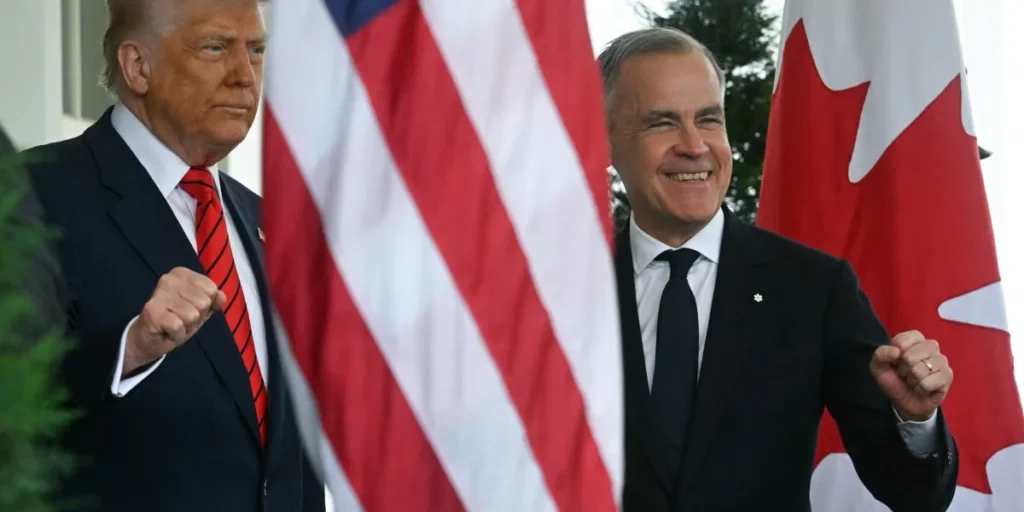
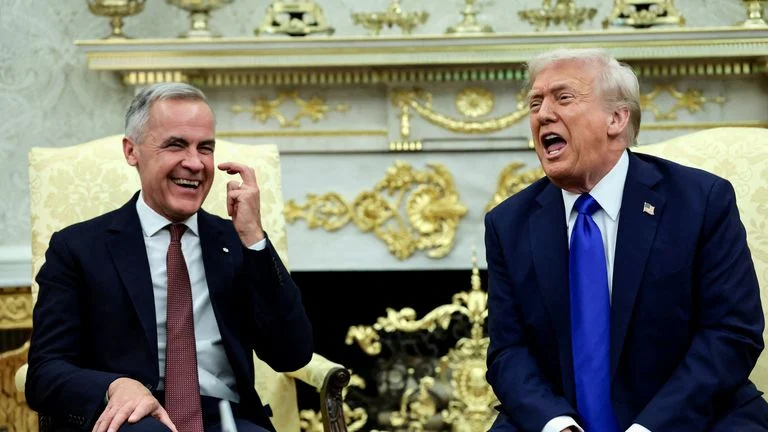
Former Governor of the Bank of Canada and the Bank of England, Mark Carney, has issued a stark and timely warning to his home country. In a recent high-profile address, Carney argued that Canada’s deep economic reliance on the United States is no longer just a trade reality but a critical strategic vulnerability in an increasingly volatile world. His comments come amid a contentious U.S. election cycle where the potential return of Donald Trump has amplified fears of protectionism and geopolitical upheaval.
Carney’s central thesis is clear: Canada has placed too many of its economic eggs in one basket. While the cross-border relationship has been the bedrock of Canadian prosperity for decades, shifting global dynamics—from great power competition to the rise of “America First” policies—demand a fundamental rethink. This isn’t just about trade deficits; it’s about national resilience.
The Perils of Over-Reliance on a Single Partner
Canada’s economic ties with the United States are staggering. Approximately 75% of Canadian exports head south, and the U.S. accounts for over half of all foreign direct investment in Canada. This integration has created immense wealth and efficiency. However, Carney highlights that this very success has bred a dangerous complacency.
Geopolitical Shifts and the “America First” Shadow
The world is fragmenting into competing blocs, and U.S. political priorities are becoming more inward-looking. The specter of a second Trump administration brings the threat of renewed trade wars, the possible dismantling of key agreements like the USMCA, and unpredictable tariffs. Canada, as the closest and most dependent neighbor, would be disproportionately exposed to any sudden policy shifts in Washington. Carney points out that relying so heavily on a partner whose political winds can change dramatically every four years is an untenable long-term strategy.
Missed Opportunities in a Multipolar World
While Canada has been focused on its southern relationship, other economies have been rapidly expanding and forming new trade alliances. Carney suggests that Canada’s singular focus has caused it to underinvest in relationships with fast-growing regions like the Indo-Pacific, Latin America, and the European Union. This has left the country poorly positioned to diversify its trade and attract investment from a broader range of sources, limiting its economic options and growth potential.
Carney’s Prescription: Building a More Resilient Canada
Carney’s warning is not merely an alarm bell; it is a call to action. He outlines a multi-pronged strategy for Canada to reduce its vulnerability and reclaim its strategic autonomy.
1. Aggressive Trade Diversification
This is the cornerstone of Carney’s proposal. Canada must actively and urgently pursue trade agreements and deepen economic ties beyond North America.
- Re-engage with the Indo-Pacific: Finalizing and leveraging agreements with key partners in Asia, beyond China, to tap into the world’s fastest-growing consumer markets.
- Strengthen Transatlantic Ties: Building on the CETA agreement with the EU to increase investment and services trade.
- Revitalize Hemispheric Partnerships: Playing a stronger leadership role in the Americas to create more integrated regional supply chains.
2. Investing in Domestic Capacity and Innovation
Diversification abroad must be matched with strength at home. Carney emphasizes that Canada needs to move beyond being a supplier of raw resources and build more value-added, innovative industries.
- Scale Up Clean Technology: Leveraging Canada’s advantages in clean energy, critical minerals, and sustainable technology to become a global leader in the net-zero transition.
- Boost Productivity: Addressing long-standing issues with business investment in technology and machinery to improve competitiveness on the world stage.
- Build National Infrastructure: Investing in projects that enhance internal trade and connectivity, reducing logistical bottlenecks that hinder export growth to new markets.
3. A New “Realist” Foreign Economic Policy
Carney calls for a clear-eyed, pragmatic approach to international relations. This means:
- Recognizing that economic policy is now inseparable from security and geopolitical strategy.
- Carefully managing the complex relationship with China, balancing economic opportunities with national security concerns.
- Using all tools of statecraft—including trade, investment screening, and development finance—to advance Canada’s interests in a competitive world.
The Stakes for Canada’s Future
Mark Carney’s message transcends partisan politics. It is a foundational argument about the future shape of the Canadian economy and its place in the world. The risks of inaction are severe: being caught in the crossfire of U.S.-China tensions, suffering economic shocks from U.S. political decisions, and watching from the sidelines as new global trading networks form without Canadian participation.
Conversely, the opportunity is profound. By deliberately diversifying its economic relationships and strengthening its domestic industrial base, Canada can build a more resilient, prosperous, and sovereign economy. It can transform its strategic weakness into a strategic strength, becoming a reliable partner to a wider array of nations and a more innovative player in key future industries.
The era of taking the U.S. relationship for granted is over. Carney’s warning is a challenge to Canadian policymakers, business leaders, and the public to think bigger and act with greater urgency. The task of future-proofing the Canadian economy begins not by turning away from the United States, but by finally looking meaningfully beyond it.