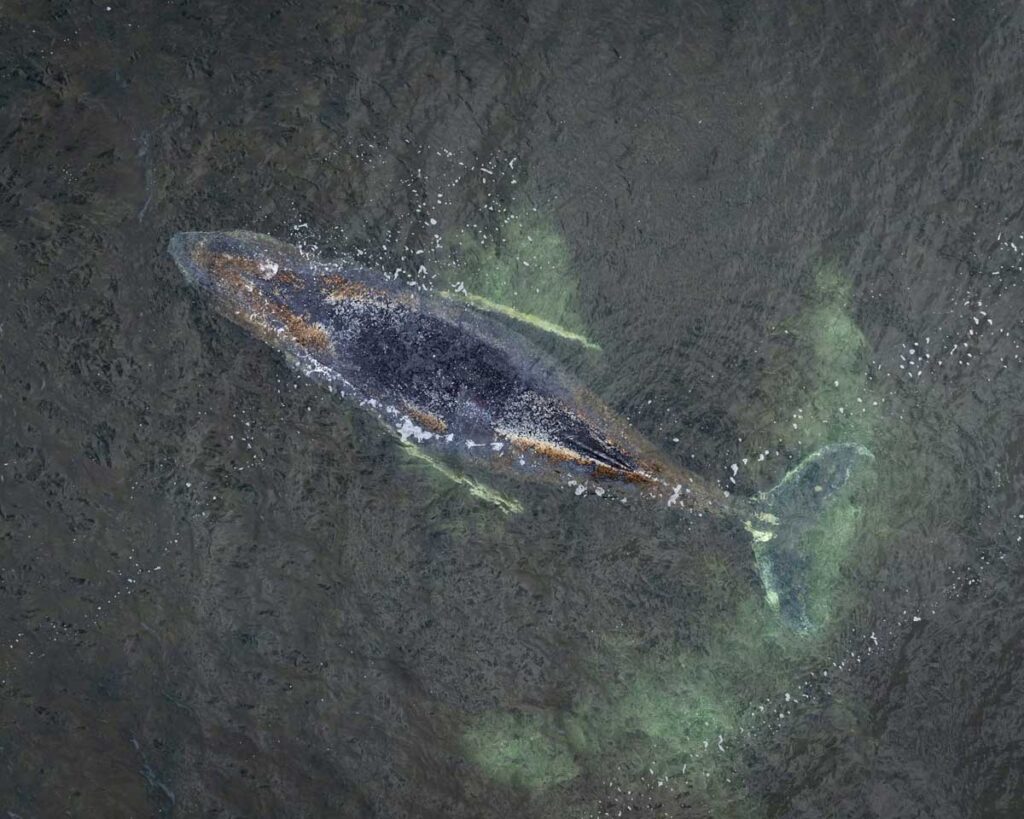
Tragic Humpback Whale Strands Twice on German Coast
The story of a young humpback whale off the coast of Germany has captured international attention, unfolding as a heartbreaking saga of resilience and tragedy. Known affectionately as “Henry” by locals and rescuers, the whale’s struggle for survival reached a devastating conclusion this week, highlighting the immense challenges facing marine life in our modern seas.
A Desperate Struggle in the Shallows
The whale’s ordeal began when it was first discovered stranded in the Wadden Sea, a UNESCO World Heritage site known for its vast tidal flats near the island of Sylt. The initial sighting sparked a major rescue operation. Teams worked tirelessly for hours, carefully guiding the disoriented leviathan back toward deeper, safer waters. The moment it swam free was met with cheers and hope, a testament to human dedication to preserving ocean giants.
However, that hope was tragically short-lived. Mere days after its celebrated rescue, the same humpback whale—identified by its distinctive markings—was found stranded again, this time on a sandbank near the popular resort island of Borkum. Despite the relentless efforts of a second rescue team, the whale’s condition had severely deteriorated. Exhausted, injured, and unable to support its own immense weight out of water, the difficult decision was made to euthanize the animal to end its suffering.
Why Do Whales Strand Themselves?
The double stranding of this humpback whale raises urgent questions about the health of our oceans and the perils whales now navigate. While a single cause is often hard to pinpoint, marine biologists point to a confluence of modern threats that can lead to such tragic events.
Primary Factors Leading to Strandings
Navigational Errors: The Wadden Sea is an exceptionally complex and shallow environment. Young, inexperienced whales like Henry can easily become disoriented by its shifting sands and tides, swimming into areas from which they cannot escape.
Underwater Noise Pollution: One of the most significant man-made threats is the constant din from shipping, industrial activity, and military sonar. This acoustic smog can interfere with a whale’s sophisticated echolocation, essentially blinding them and causing them to lose their way.
Health and Disease: Underlying illness, parasite loads, or injury can weaken a whale, making it more likely to stray from its migration path and become vulnerable to stranding.
Disruption of Food Sources: Climate change is altering ocean currents and temperatures, which can shift the distribution of krill and small fish that humpbacks rely on. In search of food, whales may enter unfamiliar and dangerous coastal areas.
The Emotional Toll of Rescue and Loss
For the rescue teams from organizations like the German Oceanographic Museum and the Whale Stranding Response Team, this event was an emotional rollercoaster. The intense physical labor of a whale rescue is matched only by the psychological weight of the responsibility. These dedicated individuals, often volunteers, invest everything in the hope of a successful outcome.
The initial rescue provided a powerful, uplifting story—a rare victory against the odds. Its brutal reversal days later delivered a profound sense of loss and professional grief. Each stranding is a stark reminder of the vulnerability of these majestic creatures and the often-overwhelming forces working against them.
Humpback Whales: A Success Story Now Facing New Threats
Humpback whales represent one of the great conservation comebacks of the 20th century. After being hunted to the brink of extinction, international protections have allowed many populations to rebound significantly. Their return to historic feeding grounds, including the North Sea, is often celebrated as a sign of ocean recovery.
However, the death of this whale underscores that the battle for their survival is far from over. They have swapped the threat of harpoons for a suite of more diffuse, yet equally deadly, challenges:
- Ship Strikes: As global shipping traffic increases, so do fatal collisions with large vessels.
- Entanglement: Ghost gear and active fishing lines pose a constant risk of injury and drowning.
- Plastic Pollution: Microplastics ingested through filter-feeding can lead to toxicity and malnutrition.
- The Climate Crisis: The fundamental change in ocean chemistry and ecology threatens the entire marine food web.
What Can Be Done? Lessons from a Tragedy
While the story of Henry the humpback ends in tragedy, it must serve as a catalyst for action. His struggle illuminates clear paths forward for better protecting whales in European waters and beyond.
Investing in Quieter Oceans: Regulating shipping lanes, promoting quieter ship designs, and restricting intense sonar use in critical habitats are essential steps to reduce acoustic trauma.
Enhanced Monitoring and Response: Supporting stranding networks with better funding and technology allows for faster, more effective responses and provides crucial scientific data to understand the causes.
Public Awareness and Advocacy: Stories like this resonate deeply. They can galvanize public support for stronger marine policies, responsible tourism, and reduced plastic consumption.
Global Climate Action: Ultimately, securing a future for humpback whales and all marine life requires addressing the root causes of climate change and ocean acidification.
A Final Farewell
The body of the humpback whale was towed to the mainland for a necropsy—a critical scientific examination that may provide definitive answers about its health and the reasons behind its stranding. This knowledge is vital for preventing future tragedies.
The image of a lone whale, twice trapped in the shallows of the Wadden Sea, is a poignant and powerful symbol. It is a reminder of the wild beauty that still exists in our world and the profound responsibility we bear to protect it. Henry’s story is not just one of loss, but a clarion call. In his memory, we must work toward an ocean where the songs of humpback whales are never silenced by the shores of human progress.