
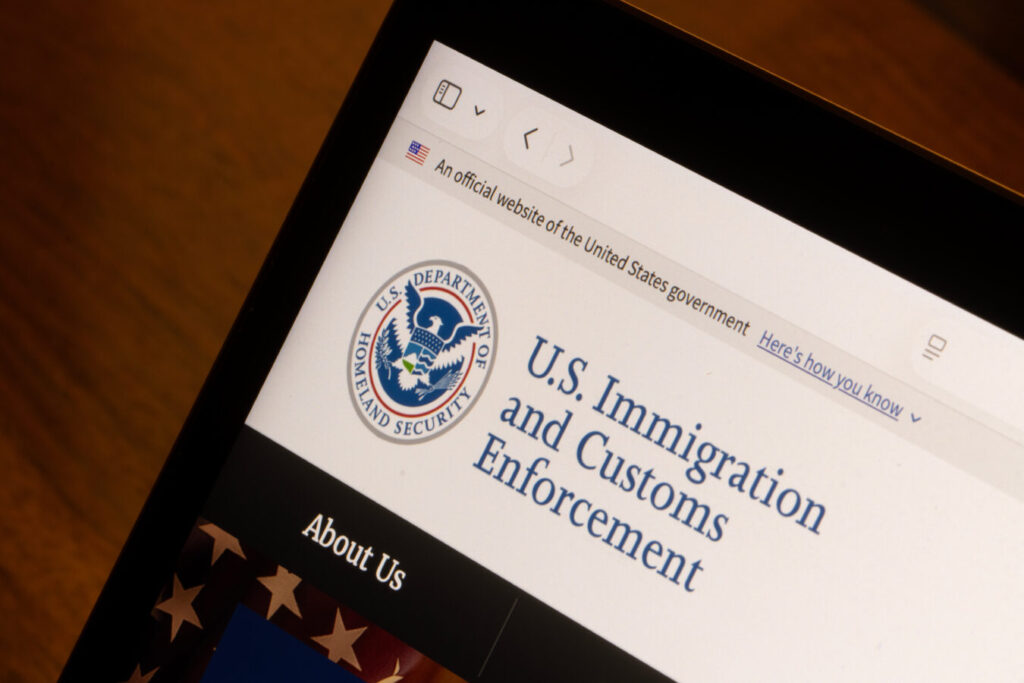
Navigating U.S. Airports: A Canadian Traveler’s Guide to ICE Encounters
For many Canadians, a trip across the border is a routine part of life. Whether it’s for a sunny vacation, a business meeting, or a shopping trip, the process is usually straightforward. However, an encounter with U.S. Immigration and Customs Enforcement (ICE) officers at an American airport can be an unexpected and stressful experience, even for the most seasoned traveler. Understanding who these officers are, what authority they have, and how to handle such an interaction is crucial for a smooth journey.
This guide breaks down what Canadian travelers need to know about ICE, your rights, and practical tips to navigate these situations with confidence.
Who Are ICE Officers and Why Might You Encounter Them?
First, it’s important to distinguish between the different agencies you meet at the border. The first official you typically see is a U.S. Customs and Border Protection (CBP) officer. They are stationed at primary inspection areas (like the kiosks and counters) and are responsible for inspecting passports, visas, and determining admissibility.
ICE officers, on the other hand, have a different mandate. While both CBP and ICE fall under the Department of Homeland Security, ICE’s focus is on immigration enforcement and investigations within the United States. Their presence in airports is part of their broader authority to enforce immigration laws anywhere in the country.
You might encounter ICE officers in the public areas of an airport terminal, not just at the customs hall. They are looking for individuals who may have violated immigration laws, such as:
- Those with outstanding deportation orders.
- Individuals who have overstayed a previous visa.
- People with certain criminal convictions that affect their immigration status.
Your Rights as a Canadian Traveler in a U.S. Airport
Knowing your rights is your most powerful tool. As a Canadian, you have specific protections, but the rules on U.S. soil are different from those in Canada.
The Right to Remain Silent and Inquire
You have the right to remain silent. If you are questioned by an ICE officer, you can ask, “Am I free to go?” If the answer is yes, you may leave. If the answer is no, it means you are being detained. You can then ask for the reason for the detention. You are not obligated to answer questions about your place of birth, immigration status, or how you entered the country.
The Right to Refuse a Search (With Caveats)
ICE officers cannot search your phone, laptop, or belongings without your consent unless they have probable cause or a warrant. You have the right to say, “I do not consent to a search.” However, be aware that CBP officers at the port of entry have much broader search authority and can inspect electronic devices as part of the border inspection process.
The Right to Legal Counsel
If you are detained or arrested, you have the right to an attorney. You can state clearly, “I wish to speak to a lawyer.” ICE must stop questioning you until you have legal representation. Remember, you have the right to a lawyer at your own expense; the U.S. government will not provide one for immigration matters unless you are in formal removal proceedings.
Practical Steps for a Smooth Interaction
Staying calm and prepared can significantly reduce the stress of any encounter.
- Stay Calm and Be Polite: Even if you feel the interaction is unwarranted, hostility will not help. A respectful and calm demeanor is always in your favor.
- Carry the Right Documents: Always have your valid passport. If you are a permanent resident of Canada but not a citizen, carry your PR card. If you have any specific U.S. visa, have it ready. Do not carry unnecessary documents from past travels that could cause confusion.
- Know Your Travel History: Be prepared to answer basic questions about the purpose of your trip, where you are staying, and when you plan to return to Canada. Honesty is critical.
- Use Your Phone Wisely: You can ask if you may use your phone to contact a lawyer or your embassy. You can also discreetly record the interaction (audio) in many states, as U.S. law often permits one-party consent recording, but be sure to check the specific state’s law first.
- Contact the Canadian Embassy: If you are detained, you have the right to contact the Canadian consulate for assistance. They can provide a list of local lawyers and check on your welfare.
When Can Canadian Citizens Be Denied Entry or Detained?
While rare, Canadian citizens can be turned away or detained. Common reasons include:
- Criminal History: Even old or minor convictions (including DUIs) can make you inadmissible to the U.S. It’s essential to research if you need a waiver before traveling.
- Previous Immigration Violations: If you have ever overstayed a visa or worked illegally in the U.S., you could be barred.
- Misrepresentation: Lying to a CBP or ICE officer is a serious offense that can lead to a permanent ban.
- Security Concerns: Any suspected ties to criminal or terrorist organizations can trigger detention and denial.
Pre-Travel Preparation is Key
The best way to handle a potential ICE encounter is to prevent issues before you fly.
1. Do a Personal “Border Audit”
Search your own name online. Are there any old warrants or legal issues? Be absolutely certain about your criminal record. If in doubt, apply for a U.S. Entry Waiver well in advance of your trip.
2. Understand the Realities of “Pre-Clearance”
When you go through U.S. customs at a Canadian airport (like in Vancouver or Toronto), you are already on U.S. jurisdictional soil. The same rules and rights (or lack thereof) apply there. An encounter with officers in pre-clearance should be treated with the same caution as one on U.S. soil.
3. Have a Contingency Plan
Share your itinerary with a family member. Have the contact information for the Canadian Emergency Watch and Response Centre (+1-613-996-8885) saved in your phone. Consider travel insurance that includes legal assistance.
Final Thoughts: Knowledge is Your Best Travel Companion
For the vast majority of Canadian travelers, a trip to the United States will be uneventful. However, the increased visibility of immigration enforcement means it’s wise to be informed. An encounter with ICE can be disconcerting, but it doesn’t have to derail your life or your trip.
By understanding the distinction between CBP and ICE, knowing your rights, and preparing your documents and history, you can navigate these situations with greater assurance. Remember, your priority is to comply with the law while protecting your rights. Stay calm, be prepared, and don’t hesitate to assert your right to legal counsel if an informal question turns into a detention. Safe travels.

