A Century After Her Birth: The Enduring Legacy of Queen Elizabeth II
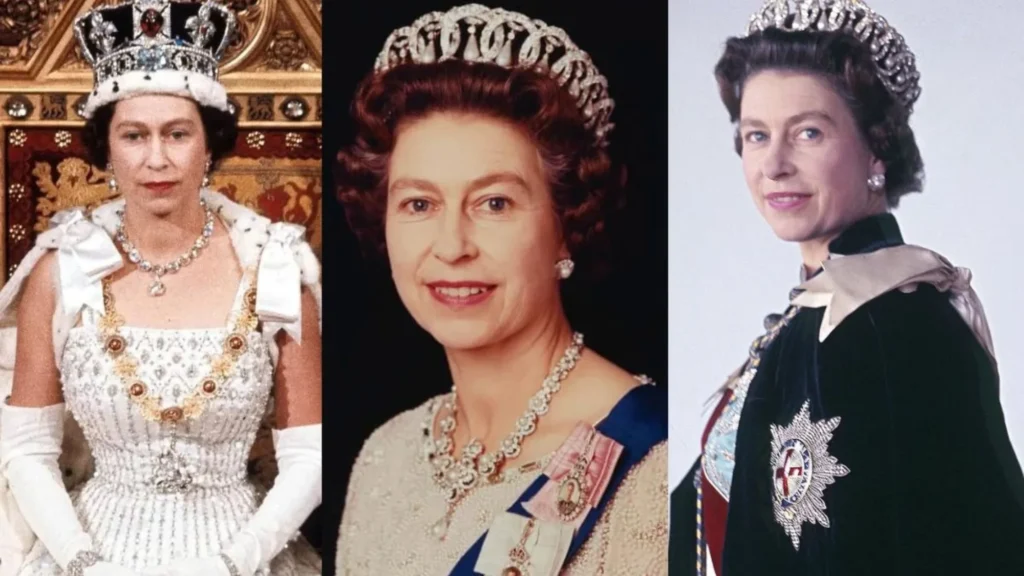
On April 21, 1926, a child was born in London with no expectation of becoming Queen. Yet, the life of Elizabeth Alexandra Mary Windsor would become the defining narrative of the 20th and early 21st centuries, a steadfast symbol through decades of unprecedented change. As we mark the centenary of her birth, we reflect not on a distant historical figure, but on a legacy that remains vibrantly alive, shaping the modern monarchy under King Charles III and the collective memory of nations.
The story of Elizabeth II is, in many ways, the story of the modern world. Her reign witnessed the end of the British Empire, the dawn of the digital age, the Cold War, and a global pandemic. Through it all, she provided a rare constant—a figure of duty, service, and quiet resilience. Her passing in 2022 was a seismic global event, not merely the loss of a monarch but the closing of a long, familiar chapter. Now, a century from her beginning, we examine the indelible mark she left behind.
The Unwavering Pillar of Duty and Service
The concept of duty was the cornerstone of Queen Elizabeth II’s life, a promise made publicly on her 21st birthday in a radio broadcast from Cape Town. “I declare before you all that my whole life, whether it be long or short, shall be devoted to your service,” she stated. It was a vow she kept with unerring commitment for over seven decades.
A Reign Defined by Adaptability
Her ability to adapt while maintaining tradition was unparalleled. She steered the monarchy through profound social shifts, from the post-war austerity of the 1950s to the swinging sixties, from the family troubles of the 1990s to the digital connectivity of the 2000s. She embraced television, allowing the cameras into Buckingham Palace for the groundbreaking documentary *Royal Family* in 1969, and later, launched the Royal Family’s official social media channels. Each adaptation was careful, measured, and always in service of connecting the institution to the people.
Key pillars of her philosophy of service included:
- The Commonwealth: She was its passionate champion, transforming it from the remnants of empire into a voluntary association of 54 independent nations, valuing personal diplomacy and countless state visits.
- Constancy in Crisis: From her poignant address after the death of Princess Diana to her reassuring “we will meet again” speech during the COVID-19 lockdown, she provided a stabilizing voice in times of national grief and uncertainty.
- The “Never Complain, Never Explain” Stance: Her famed personal motto shielded the monarchy’s mystique but also embodied her stoic approach to both public scrutiny and private challenges.
The Foundation for a Modern Monarchy: King Charles III’s Inheritance
The most immediate and tangible aspect of Queen Elizabeth II’s legacy is the monarchy she bequeathed to her son, King Charles III. His reign is both a continuation and an evolution, built directly upon the foundation she solidified.
Continuity and Change
King Charles III ascended the throne at an age when most retire, bringing a lifetime of preparation and his own well-established passions for environmentalism, interfaith dialogue, and architecture. His mother’s legacy grants him immense reservoirs of goodwill and respect, but his task is to mold the institution for a new era. He has moved swiftly to streamline the working royal family, emphasizing efficiency and relevance. Yet, in his first address to the nation, he powerfully echoed his mother’s language of lifelong service, pledging “unswerving devotion” to his new duties.
The transition highlights several key inheritances:
- A Stable Institution: After 70 years, the monarchy, though debated, was a settled and largely respected national fixture, giving Charles a stable platform from which to lead.
- The “Dignified Silence” Model: Elizabeth II perfected the art of political neutrality. Charles, known for his earlier “black spider memos” advocating causes, must now calibrate his lifelong activism within the constitutional bounds of a sovereign.
- A Global Family: She handed him the leadership of the Commonwealth, a network where her personal relationships were paramount. Nurturing those ties is a central challenge and opportunity for the new King.
An Enduring Global Icon and Personal Symbol
Beyond the institution, Elizabeth II crafted a legacy as a global icon. Her image—the brightly colored coats, the iconic handbag, the corgis—is instantly recognizable across continents and cultures. She represented not just Britain, but an idea of steadfastness.
The Human Dimension
In her later years, the public perception softened, revealing more of the woman behind the crown. The playful sketch with James Bond for the 2012 London Olympics and her televised tea party with Paddington Bear for her Platinum Jubilee showcased a subtle, warm humor that endeared her to new generations. These moments, carefully curated, added a layer of relatable humanity to a figure of immense stature, making her legacy one of both awe and affection.
Reflections on a Century: What Remains?
A hundred years after her birth, Queen Elizabeth II’s legacy is multifaceted. It is found in the constitutional stability of a nation that weathered countless storms with her as its figurehead. It lives on in the ethos of public service she embodied, inspiring not just royals but countless citizens in their communities. It persists in the global relationships she nurtured and the modern monarchy she curated for her successor.
Perhaps most profoundly, her legacy is one of resilience and reinvention. She demonstrated that an ancient institution could endure not by being rigid, but by bending thoughtfully with the times, all while holding fast to its core principles. As King Charles III writes his own chapter, he does so on pages prepared by a century of history that began with the birth of a little girl who would become the longest-reigning monarch Britain has ever known. Her story, now a century old, continues to shape the future, proving that true legacy is not a monument of stone, but a living, breathing influence that guides the path forward.