Dangerous Storms Unleash Flooding and Lightning Across the U.S.
A powerful and sprawling system of severe weather is carving a destructive path across the United States, bringing a triple threat of torrential flooding, frequent lightning, and damaging winds to millions. From the Gulf Coast to the Midwest and beyond, communities are grappling with inundated streets, threatened homes, and a relentless barrage of electrical storms that have turned day into night and transformed calm neighborhoods into disaster zones. This ongoing event underscores the volatile nature of late spring and early summer weather patterns, putting emergency services on high alert and residents on edge.
A Nation Under Siege: The Scope of the Severe Weather Outbreak
This isn’t an isolated thunderstorm. Meteorologists are tracking a large-scale, slow-moving frontal system that is acting as a conveyor belt for deep tropical moisture. This setup is the perfect recipe for training thunderstorms—cells that repeatedly develop and move over the same areas like boxcars on a train track. The result is extreme rainfall totals measured not in inches, but in feet in some locations.
The impacts are widespread and severe:
- Catastrophic Flash Flooding: The most immediate danger has been flash flooding, with water rising rapidly to sweep away vehicles, breach riverbanks, and inundate homes. Urban areas are particularly vulnerable as concrete and asphalt prevent water from absorbing into the ground.
- Relentless Lightning Barrages: The storms are electrically charged, producing thousands of cloud-to-ground strikes. This poses a direct life-threatening risk to anyone outdoors and has sparked numerous fires, adding another layer of crisis for responders.
- Damaging Straight-Line Winds: While tornadoes have been a concern, widespread wind gusts exceeding 60-70 mph have been a major issue, toppling trees onto power lines and homes, and contributing to widespread utility outages.
Regional Breakdown: Where the Impacts Are Hitting Hardest
The Gulf Coast and Southeast: Ground Zero for Flooding
States like Louisiana, Mississippi, Alabama, and Florida have borne the brunt of the flooding. Low-lying communities, especially those still recovering from previous hurricane seasons, are watching water levels rise with trepidation. Emergency water rescues have become a common occurrence, with first responders using boats and high-water vehicles to evacuate stranded residents. The ground, already saturated from a wet spring, simply cannot absorb any more water, leading to rapid runoff and overwhelming drainage systems.
The Ohio Valley and Midwest: Battling Wind and Water
Further north, the storm system has unleashed its fury on states like Missouri, Illinois, Indiana, and Ohio. Here, the combination of high winds and intense rainfall has been particularly destructive. Major interstates have seen sections closed due to high water, crippling transportation and commerce. Agricultural communities are reporting significant crop damage in fields that now resemble lakes, raising early concerns for the growing season.
Beyond the Immediate Danger: The Cascading Effects of Severe Storms
The chaos of the storm itself is only the beginning. The aftermath triggers a cascade of secondary crises that strain community resources for days or weeks.
- Mass Power Outages: Hundreds of thousands, if not millions, are without electricity. This loss of power affects not just comfort but safety—disabling sump pumps in flooding basements, spoiling food and medicine, and cutting off critical communication channels.
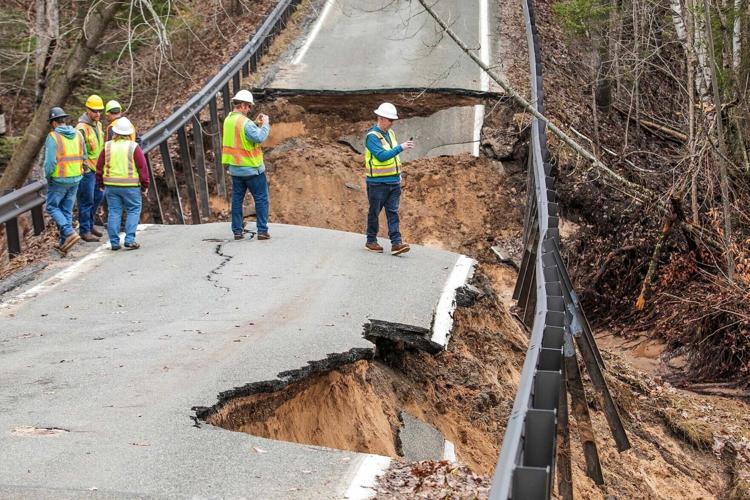
- Infrastructure Damage: Roads are washed out or undermined, bridges are inspected for stability, and public water systems can be contaminated by floodwater infiltration. The cost of repair will be immense.
- Health and Environmental Hazards: Standing water becomes a breeding ground for mosquitoes and a vector for waterborne diseases. The risk of mold in flooded buildings poses a long-term respiratory health threat. Hazardous materials from compromised businesses or homes can also leach into the floodwaters.
- Economic Disruption: Businesses are forced to close, workers cannot travel, supply chains are interrupted, and insurance claims begin to pile up. The economic toll of such a widespread event runs into the billions.
Staying Safe: Critical Advice During and After the Storm
In the face of such a severe weather outbreak, knowing how to react can save lives. Authorities are urging the public to adhere to the following guidelines:
During the Storm:
- Heed All Warnings: A Flash Flood Warning means act immediately. Move to higher ground. Do not wait.
- Never Drive Through Floodwater: “Turn Around, Don’t Drown” is not a slogan—it’s a survival rule. Just 12 inches of moving water can sweep away most vehicles.
- Avoid All Windows and Plumbing: To stay safe from lightning, stay away from conductive paths during the storm.
- Have a Way to Get Alerts: Ensure your phone can receive Wireless Emergency Alerts (WEA) and have a battery-powered weather radio as a backup.
After the Storm:
- Avoid downed power lines at all costs; assume every line is live and dangerous.
- Do not enter flooded buildings until authorities say it is safe. Hidden structural damage and electrical hazards are likely.
- Document all damage for insurance purposes with photos and videos before cleanup begins.
- Wear protective gear during cleanup and be wary of contaminated water and debris.
A Sobering Reminder in an Era of Climate Volatility
This devastating series of storms serves as a sobering reminder of the increasing volatility of our weather patterns. While individual events cannot be solely attributed to climate change, a warming atmosphere holds more moisture, fueling more intense rainfall events. It also can contribute to shifts in jet stream patterns that cause systems to stall, just as we are witnessing now.
The road to recovery for the affected regions will be long. It will require coordinated efforts from local, state, and federal agencies, alongside the resilience and compassion of neighbors helping neighbors. As the floodwaters eventually recede and the power is restored, the lessons learned from this outbreak must inform future preparedness. Investing in updated infrastructure, enforcing smarter zoning laws in floodplains, and committing to comprehensive emergency planning are no longer optional—they are essential for building communities that can withstand the storms of tomorrow. For now, the nation watches, responds, and hopes for a break in the clouds.