A Strategic Shift: Canada’s New TR to PR Pathway Focuses on Regional Immigration
For years, Canada’s largest cities have been the magnetic north for newcomers seeking permanent residency. Programs like the 2021 Temporary Resident to Permanent Resident (TR to PR) pathway were broadly accessible, drawing thousands of applicants from coast to coast. Now, a major policy pivot is redirecting that magnetic pull toward the heartlands of the country.
In a significant announcement, Immigration, Refugees and Citizenship Canada (IRCC) has revealed that the upcoming TR to PR pathway in 2026 will explicitly exclude applicants residing in major urban centers like Toronto, Vancouver, and Montreal. This isn’t just a tweak to the rules—it’s a fundamental reimagining of how Canada will use one of its most direct immigration tools to shape the nation’s future.
This article will break down what this geographic restriction means for you, why the government is making this strategic move, and how you can adapt your immigration plan in response.
Decoding the 2026 TR to PR Pathway: A Community-Focused Approach
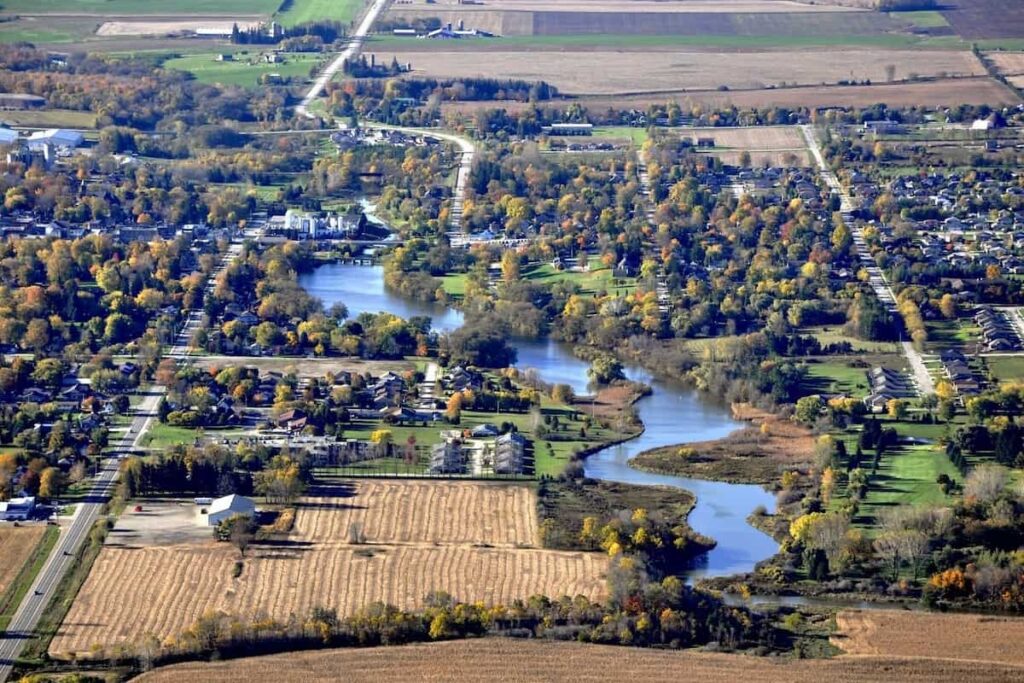
While full program details are still on the horizon, the minister’s direction is unequivocal. The 2026 TR to PR pathway will be designed as a regional retention tool. Its primary goal is to encourage temporary residents—including foreign workers and international graduates—to put down permanent roots in the smaller cities, towns, and rural regions that need them most.
What Are the New Geographic Restrictions?
The cornerstone of the new pathway is your physical location. Eligibility will be contingent on living and working outside of Canada’s largest Census Metropolitan Areas (CMAs). While the final list of excluded cities may be refined, the announcement specifically named:
- Toronto, Ontario
- Vancouver, British Columbia
- Montreal, Quebec
This means if you hold a post-graduation work permit (PGWP) or a temporary work permit and are building your life in one of these hubs, you will need to look to other immigration programs or consider a relocation to qualify for this specific pathway.
How This Differs From Previous TR to PR Pathways
The 2021 pathway was launched as a broad response to pandemic-related disruptions, aiming to retain temporary residents already contributing to Canada. Location was largely irrelevant. The 2026 model flips this script, making your Canadian postal code a primary eligibility factor. It transforms the program from a retention tool for the national economy into a targeted instrument for regional development.
The “Why” Behind the Move: Canada’s Big-Picture Priorities
This policy shift is not arbitrary. It is a direct and calculated response to several pressing national challenges.
1. Addressing Regional Labor Shortages and Demographic Decline
Many communities across Canada, from Atlantic provinces to the prairies and northern territories, are grappling with acute labor shortages and aging populations. They have jobs but not enough people to fill them. By offering a direct path to PR for those already working and integrating in these regions, the government aims to stem brain drain to big cities and stabilize local economies.
2. Alleviating Pressure on Major Urban Infrastructure
The intense concentration of newcomers in Toronto, Vancouver, and Montreal has undeniably strained housing markets, transportation networks, and healthcare systems. By creating a powerful disincentive for using the TR to PR pathway in these cities, IRCC hopes to manage growth pressures and encourage a more sustainable distribution of new Canadians.
3. Strengthening Provincial Nominee Program (PNP) Objectives
This new pathway acts as a federal complement to robust Provincial Nominee Programs. While PNPs allow provinces to select candidates based on their economic needs, this TR to PR stream incentivizes candidates to choose smaller regions from the start of their temporary residence, creating a pipeline of individuals already settled and ready to be nominated or transition to PR federally.
What This Means for Your Canadian Immigration Journey
If you are currently in Canada as a temporary resident or plan to be, this announcement requires you to think strategically about your location.
For Temporary Residents in Major Cities (Toronto, Vancouver, Montreal)
Your path to permanent residency will need to come from other avenues. You are not without options, but you must pivot your strategy. Key alternatives include:
- Express Entry: The Federal Skilled Worker Program (FSWP), Canadian Experience Class (CEC), and Federal Skilled Trades Program (FSTP) remain location-agnostic. A high Comprehensive Ranking System (CRS) score is crucial.
- Provincial Nominee Programs (PNPs): Even within provinces like Ontario and BC, many PNPs target specific occupations and regions outside the major cities. Research streams carefully.
- Strategic Relocation: For some, moving to an eligible smaller community for work may become a calculated step to access this pathway, provided other criteria (occupation, language, etc.) are met.
For Temporary Residents Outside Major Urban Centers
This policy could represent a significant opportunity. To position yourself strongly:
- Document Your Presence Meticulously: Keep clear records of your lease agreements, utility bills, pay stubs, and employer letters that prove your work and residence in an eligible community.
- Deepen Your Community Ties: Engagement beyond work—like volunteering, joining local groups, or furthering your education in the region—can strengthen your overall profile and integration narrative.
- Stay Informed on Detailed Criteria: While location is key, other requirements (language proficiency, work experience duration, occupation) will still apply. Monitor IRCC updates closely.
Navigating the Changing Landscape: Your Action Plan
The 2026 pathway is a clear signal of Canada’s long-term direction. Here’s how to prepare:
1. Conduct a Comprehensive Program Review: Don’t put all your hopes on one program. Map out all potential pathways you qualify for, including Express Entry, every relevant PNP stream, and Atlantic Immigration Program (AIP) if applicable.
2. Embrace a Regional Mindset: When searching for jobs or educational opportunities in Canada, prioritize regions with strong immigration support and demographic needs. Research communities actively recruiting newcomers and offering settlement services.
3. Consult Authoritative Sources: Always rely on information from the official IRCC website or a regulated Canadian immigration consultant (RCIC)/lawyer. Policy details will evolve, and you need the most current facts.
4. Be Patient and Proactive: The full program criteria will be released in time. Use the interim period to improve your credentials, save money, and enhance your language test scores to make yourself a competitive candidate for any program.
Conclusion: Your Postcode is Now a Key to PR
Canada’s redesign of the TR to PR pathway marks a definitive turn toward a more regionally balanced immigration system. It underscores a vital lesson for the years ahead: where you choose to build your life in Canada is becoming as strategically important as your skills, experience, and education.
This policy is a direct invitation to contribute to the future of Canada’s smaller communities. For those willing to answer that call, it may open a direct door to permanent residency while allowing them to be part of the fabric of a community where their presence will make a profound and visible difference. The map of Canadian immigration opportunity is being redrawn—make sure you’re looking at the right location.