
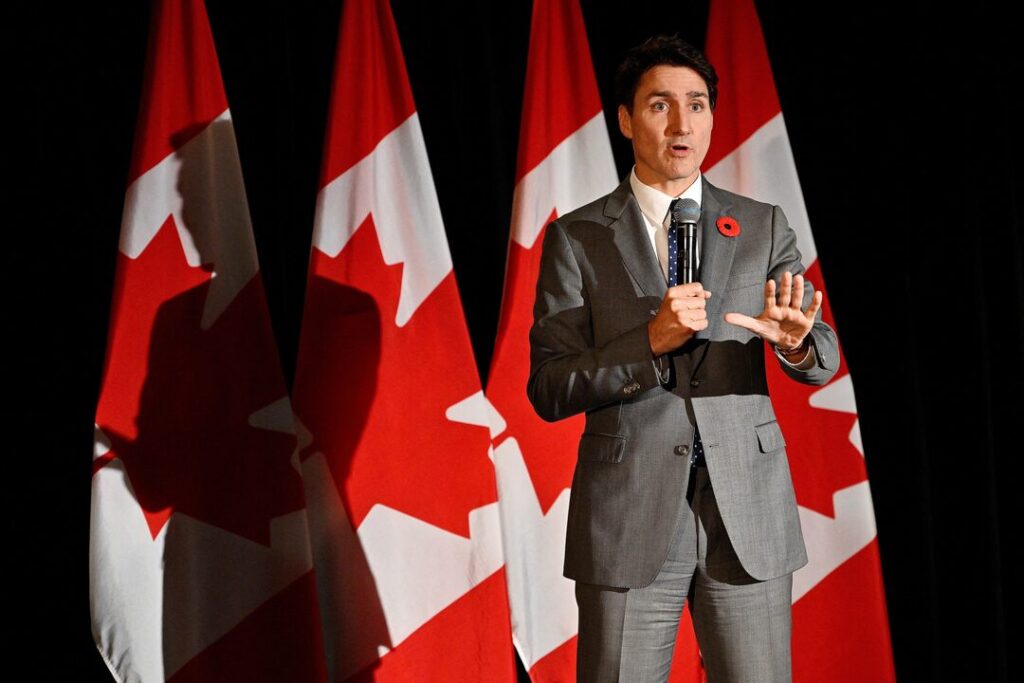
The $1 Trillion Cost of Trudeau’s Economic Policies in Canada
For nearly a decade, the economic direction of Canada has been steered by the policies of Prime Minister Justin Trudeau. While framed around themes of growth for the middle class, investment in social programs, and a green transition, a growing chorus of economists and analysts are now tallying a staggering bill. According to a compelling analysis, the cumulative impact of these policies may have cost the Canadian economy a monumental $1 trillion. This figure represents more than just a number; it’s a measure of foregone prosperity, stifled productivity, and a mounting debt burden that will challenge generations to come.
This blog post delves into the key pillars of Trudeau-era economic policy to understand how this trillion-dollar price tag was accrued and what it means for Canada’s future.
The Foundations of the Trillion-Dollar Shortfall
The concept of a “$1 trillion cost” isn’t about money literally removed from a bank account. Instead, it represents the opportunity cost—the difference between Canada’s actual economic performance and its potential under different policy choices. It encompasses slower growth, lagging business investment, and the long-term drag of escalating public debt.
Chronic Deficits and the Debt Mountain
A cornerstone of the criticism lies in federal fiscal policy. Prior to the pandemic, the government broke from a tradition of balanced budgets during periods of growth, running deliberate deficits to fund new programs. While pandemic spending was a global necessity, the return to massive post-pandemic deficits has raised alarms.
The result is a federal debt that has ballooned, with servicing costs now becoming one of the fastest-growing line items in the budget. Every dollar spent on interest is a dollar not spent on healthcare, infrastructure, or tax relief. This debt servicing burden directly constrains future governments and imposes a long-term tax on the economy.
The Productivity Paradox: Investment Goes South
Perhaps the most damaging component of the trillion-dollar gap is Canada’s profound and persistent productivity crisis. Productivity—the value of goods and services produced per worker—is the ultimate engine of wage growth and rising living standards. Here, the data is stark.
- Business Investment Flight: Capital investment, particularly in the critical non-residential sector (machinery, technology, factories), has been weak. Uncertainty around regulations, particularly in the energy sector, and a broader lack of policy focus on competitiveness have driven investment—and the jobs and innovation it brings—to other countries, notably the United States.
- Lagging Behind Peers: While Canada’s economy has grown, it has done so at a slower pace than many peer nations. This growth gap, compounded over nearly ten years, accounts for a significant portion of the estimated trillion-dollar loss. We are collectively poorer than we could have been.
Key Policy Areas Under the Microscope
Several specific policy domains are frequently cited as contributors to this economic underperformance.
Energy and Environmental Policy
The approach to Canada’s natural resource sector, especially oil and gas, is a flashpoint. Critics argue that policies like the federal carbon tax, Bill C-69 (the Impact Assessment Act), and the rejection of key infrastructure projects have:
- Deterred tens of billions in investment.
- Ceded global market share to less environmentally stringent competitors.
- Eroded a traditional source of high-paying jobs, export revenue, and government royalties that fund social services nationwide.
While the intent to transition to a green economy is clear, the pace and structure of these policies are seen as having damaged a key economic engine without a fully viable replacement in place.
Taxation and Competitiveness
The combined burden of federal and provincial taxes on income, capital, and business has made Canada less attractive for top talent and entrepreneurs. The increase in the top marginal tax rate early in the Trudeau tenure, while aimed at fairness, is argued to have reduced incentives for high earners and business owners to expand and invest within Canada. In a global competition for capital and talent, Canada’s tax regime is often not seen as a selling point.
Regulatory Expansion and Uncertainty
An increase in the scope and complexity of federal regulation, affecting sectors from energy and agriculture to finance and interprovincial trade, has added compliance costs and delayed projects. This “red tape” burden creates uncertainty, which is the enemy of long-term investment. Businesses hesitate to commit capital when the regulatory goalposts appear to be constantly shifting.
The Real-World Consequences for Canadians
This trillion-dollar economic gap is not an abstract accounting exercise. It manifests in the daily lives of citizens in tangible ways:
- Eroded Purchasing Power: Stagnant productivity growth is a key reason wage increases have not kept pace with inflation, leading to a perceived decline in standard of living.
- The Housing Affordability Catastrophe: While driven by many factors, a lack of focus on economic fundamentals and a flood of deficit-driven liquidity have exacerbated housing unaffordability, now the nation’s top social crisis.
- Constrained Public Services: As debt servicing costs rise, the fiscal room to improve healthcare, education, and national defense shrinks, forcing difficult choices.
- A Diminished Future: The legacy of slower growth and higher debt means the next generation inherits an economy with fewer opportunities and greater constraints than could have been possible.
Conclusion: Reckoning with the Balance Sheet
The assertion that Justin Trudeau’s economic policies have cost Canada $1 trillion is a powerful synthesis of various economic critiques. It argues that the sum of its parts—persistent deficits, declining business investment, regulatory uncertainty, and uncompetitive taxation—has resulted in an economy that is smaller, less dynamic, and more indebted than it otherwise might have been.
The true cost is measured in forgone pay raises, unbuilt homes, unrealized innovations, and a national balance sheet that demands future austerity. Whether one agrees with the full trillion-dollar figure or not, the underlying trends it represents are widely acknowledged by economic institutions. Addressing Canada’s productivity crisis, restoring fiscal anchor, and rebuilding an environment conducive to investment are not just political choices—they are imperative for reversing this trillion-dollar trajectory and reclaiming Canada’s economic potential. The bill has been presented; the question now is how future policymakers will respond.