Environmental Groups Sue to Stop Trump’s Ultra-Deepwater Drilling Approval
In a significant legal challenge to the Trump administration’s energy agenda, a coalition of prominent environmental organizations has filed a lawsuit seeking to overturn the recent approval of a massive new ultra-deepwater drilling project in the Gulf of Mexico. The move sets the stage for a high-stakes battle over the future of offshore drilling and the government’s responsibility to assess climate impacts.
The lawsuit, filed in federal court, targets the Interior Department’s Bureau of Ocean Energy Management (BOEM) for granting approval to the “Vito” project, a proposed offshore oil development by Shell. Located approximately 150 miles off the coast of Louisiana, the Vito platform is designed to operate in waters more than 4,000 feet deep, tapping into reservoirs that could produce up to 100,000 barrels of oil per day over its lifetime.
The Core of the Legal Challenge
The plaintiffs, including the Sierra Club, Center for Biological Diversity, and Friends of the Earth, argue that the federal agency violated foundational environmental laws by failing to properly account for the project’s contribution to greenhouse gas emissions and its potential to harm endangered species.
Flawed Environmental Analysis
Central to the lawsuit is the claim that BOEM’s environmental review was fundamentally inadequate. The groups contend the agency:
- Used outdated modeling that severely underestimates the project’s true climate impact.
- Failed to consider the cumulative effects of approving Vito alongside other Gulf drilling projects.
- Ignored the latest scientific data on the climate crisis and the global necessity to transition away from fossil fuels.
“This approval is a relic of a past mindset,” said an attorney for one of the plaintiff groups. “The agency looked at this massive fossil fuel project in a vacuum, pretending that burning the oil it produces won’t worsen the climate disasters we’re already experiencing. That’s not just irresponsible; it’s illegal under the National Environmental Policy Act.”
Threats to Marine Life
Beyond climate concerns, the lawsuit highlights grave risks to marine biodiversity. The Vito site is in a region inhabited by endangered species, including:
- The majestic Gulf of Mexico whale, one of the most endangered marine mammals on the planet.
- Five species of threatened or endangered sea turtles.
- Numerous fish and coral species already stressed by pollution and changing ocean conditions.
The groups argue that BOEM disregarded the best available science on how constant seismic surveying, drilling noise, chemical discharges, and the ever-present risk of a catastrophic spill would push these fragile populations closer to extinction.
A Political Flashpoint in Energy Policy
This legal action is not happening in a vacuum. It represents a direct confrontation with the Trump administration’s “Energy Dominance” agenda, which has prioritized expanding fossil fuel extraction on public lands and waters while rolling back environmental regulations.
The Vito approval is seen as a symbol of this policy push. The administration has moved aggressively to open nearly all U.S. coastal waters to drilling leases and has streamlined the permitting process, often at the expense of rigorous environmental review. This lawsuit is a strategic effort by environmentalists to force the courts to rein in what they view as regulatory shortcuts and a denial of climate science.
The Stakes: Locking in Decades of Emissions
Environmental economists point out that projects like Vito have multi-decade lifespans. Granting approval now effectively locks in fossil fuel infrastructure and carbon emissions for 30 to 40 years, far beyond the critical window identified by scientists to slash emissions and avoid the worst impacts of climate change.
“Every new deepwater project is a direct investment against a livable future,” said a climate policy analyst. “We’re in a race to decarbonize, and this decision puts us in reverse. The lawsuit is about ensuring the federal government confronts this stark contradiction.”
Industry Perspective and Economic Arguments
Unsurprisingly, the oil industry and its supporters view the project—and the lawsuit—differently. They champion Vito as a feat of engineering innovation that will provide high-paying jobs, boost energy security, and generate significant royalty revenue for the U.S. Treasury. They argue that deepwater Gulf of Mexico oil has a lower carbon footprint per barrel compared to some other sources and that global demand necessitates continued domestic production.
“This project underwent years of review and meets the highest safety and environmental standards,” a statement from an industry group read. “These continued legal challenges from activist groups threaten American jobs and our ability to produce the energy the world needs, all while doing nothing to reduce global demand.”
The Road Ahead: A Protracted Legal Battle
The lawsuit is expected to wind its way through the federal court system for months, if not years. Legal experts suggest the case could hinge on nuanced interpretations of how agencies must quantify “indirect” emissions—the pollution from burning the oil that is produced—in their environmental assessments.
This is not a new argument; it has been the crux of several recent challenges to fossil fuel projects. The courts have increasingly demanded that agencies provide a more complete accounting of climate impacts, setting precedents that the environmental groups hope to leverage.
Broader Implications for Offshore Drilling
The outcome of this case could have ripple effects far beyond the Vito platform. A ruling in favor of the environmental groups would:
- Establish a stronger legal requirement for climate analysis in all future offshore drilling permits.
- Slow down the approval process for other deepwater projects in the pipeline.
- Signal to the energy industry that future projects must pass a stricter climate litmus test.
Conversely, a victory for the administration would reinforce its deregulatory path and potentially open the door for more rapid approvals.
A Battle for the Future of the Gulf and the Climate
As the legal papers are filed and arguments prepared, the lawsuit over the Vito deepwater project encapsulates a defining conflict of our time: the tension between immediate economic interests and the long-term stability of the planet’s climate and ecosystems.
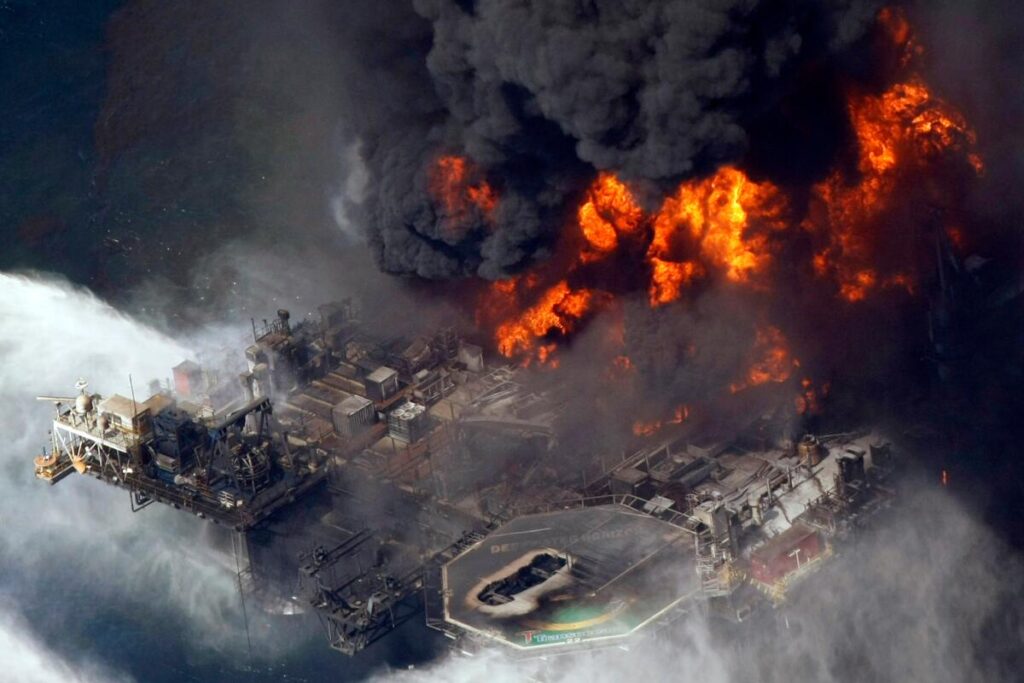
For the residents of the Gulf Coast, it’s about protecting a way of life and an ecosystem still recovering from past disasters like the Deepwater Horizon spill. For the environmental movement, it’s a critical front in the fight to keep fossil fuels in the ground. And for the administration, it’s a test of its core policy agenda. The courtroom will now become the arena where these competing visions for America’s energy future collide.